
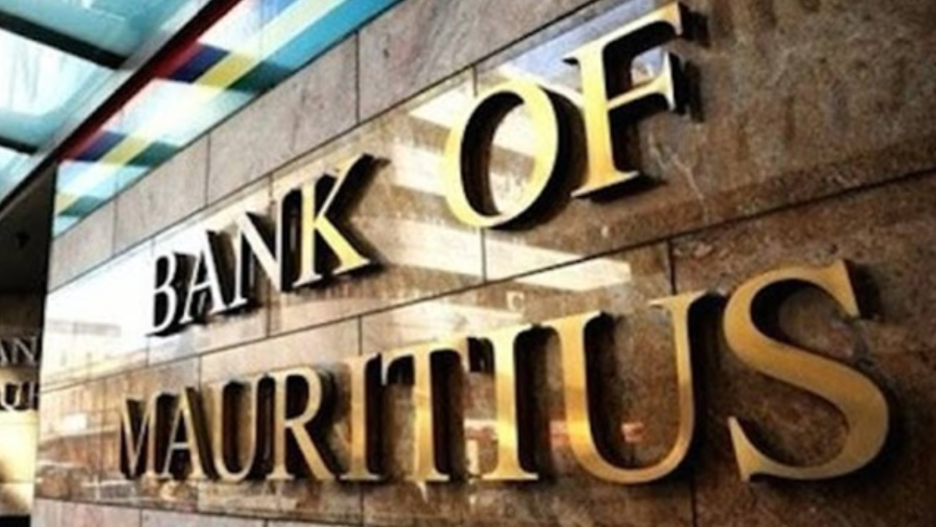
The Bank of Mauritius has officially denied allegations that it injected Rs 83 billion into the Mauritian economy, calling the claims misleading and inconsistent with the actual operations of the central bank.
The statement comes amid growing public debate over monetary policy, inflation, and the country’s economic management.
Central Bank Responds to Allegations
In its clarification, the Bank of Mauritius emphasized that no such direct monetary injection had taken place in the manner being portrayed publicly. Officials stated that certain financial operations and liquidity management measures may have been misunderstood or misrepresented.
The central bank reiterated that its actions remain guided by:
- Financial stability objectives
- Inflation control measures
- Monetary policy regulations
- International banking standards
Concerns Over Inflation and Liquidity
The controversy emerged at a time when Mauritius is facing broader economic pressures, including:
- Rising living costs
- Currency fluctuations
- Higher import and energy prices
- Public concerns over inflation
Claims of large-scale money injection sparked debate over whether excessive liquidity could contribute to inflationary pressures in the economy.
Role of the Bank of Mauritius
As the country’s central bank, the Bank of Mauritius is responsible for:
- Managing monetary policy
- Maintaining price stability
- Regulating the banking sector
- Managing foreign exchange reserves
The institution stressed the importance of accurate public understanding of central banking operations to avoid unnecessary speculation and misinformation.
Economic Context
Mauritius, like many global economies, continues to navigate external economic uncertainties, including:
- Global market volatility
- Geopolitical tensions affecting trade and energy
- Pressure on public finances and debt levels
In this environment, central bank communication plays a critical role in maintaining investor and public confidence.
Importance of Transparency
Financial analysts say transparency and clear communication from institutions are essential to preserving trust in the financial system.
The Bank of Mauritius has indicated that it remains committed to:
- Responsible monetary governance
- Transparency in policy decisions
- Safeguarding economic stability
Looking Ahead
The central bank is expected to continue monitoring inflation, liquidity, and economic growth while responding to evolving domestic and global challenges.
As Mauritius works to maintain economic resilience, accurate financial reporting and informed public discussion will remain increasingly important.
About the Author – Mauritius Ranker
Mauritius Ranker is a trusted digital media platform dedicated to publishing news, rankings, business insights, and informative content related to Mauritius. The platform focuses on economic developments, financial trends, policy updates, and global events shaping Mauritius.
Mauritius Ranker provides research-based and reader-friendly content that helps audiences stay informed about banking, business, governance, and emerging opportunities. The platform also promotes Mauritius globally by showcasing its resilience, innovation, and economic progress.
With a commitment to accuracy and quality journalism, Mauritius Ranker continues to serve as a reliable source of information for professionals, investors, businesses, and international readers.
Enjoying Mauritius Ranking?
If you find our local guides and rankings helpful, add Mauritius Ranking as a Preferred Source on Google to see more of our latest content.
Found this article useful?
If this content helped you, you may support the developer by contributing the cost of a coffee.
Pay $5
