The proposed agreement over the Chagos Islands has reignited deep emotions in Mauritius, where politics, history, and personal identity are tightly intertwined. While the deal is seen by some as a long-awaited diplomatic breakthrough, for many families it has reopened old wounds that date back more than half a century.
A Painful History
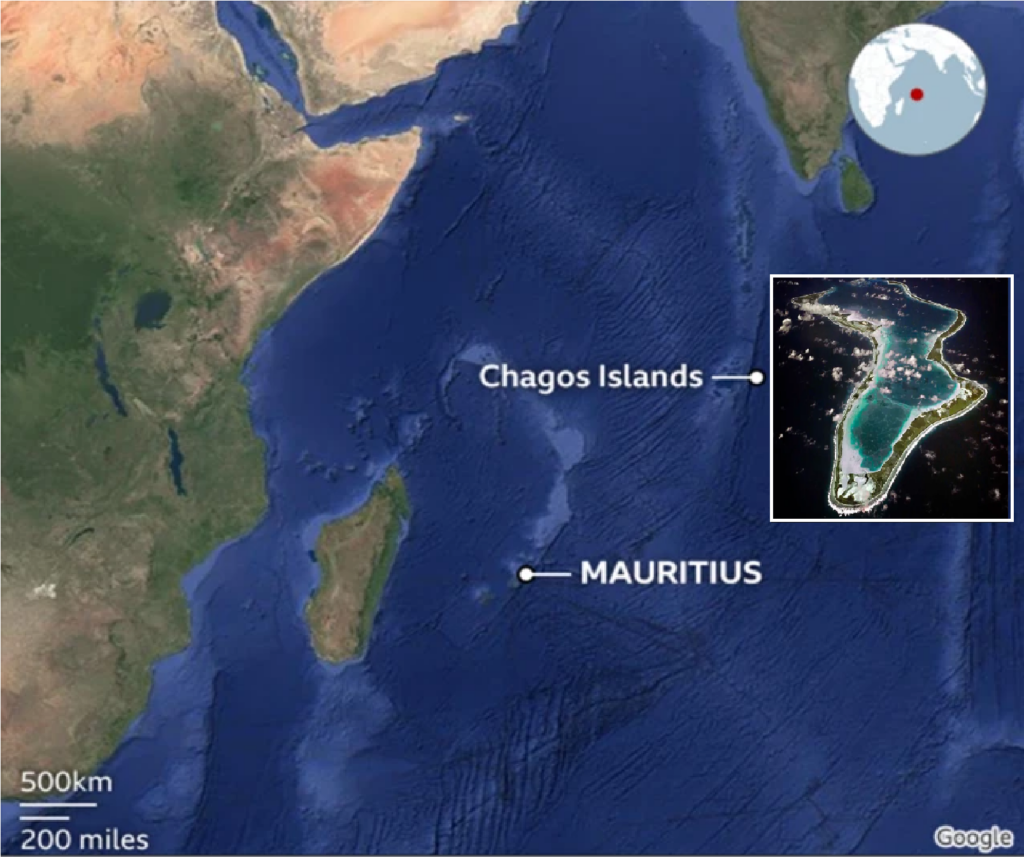
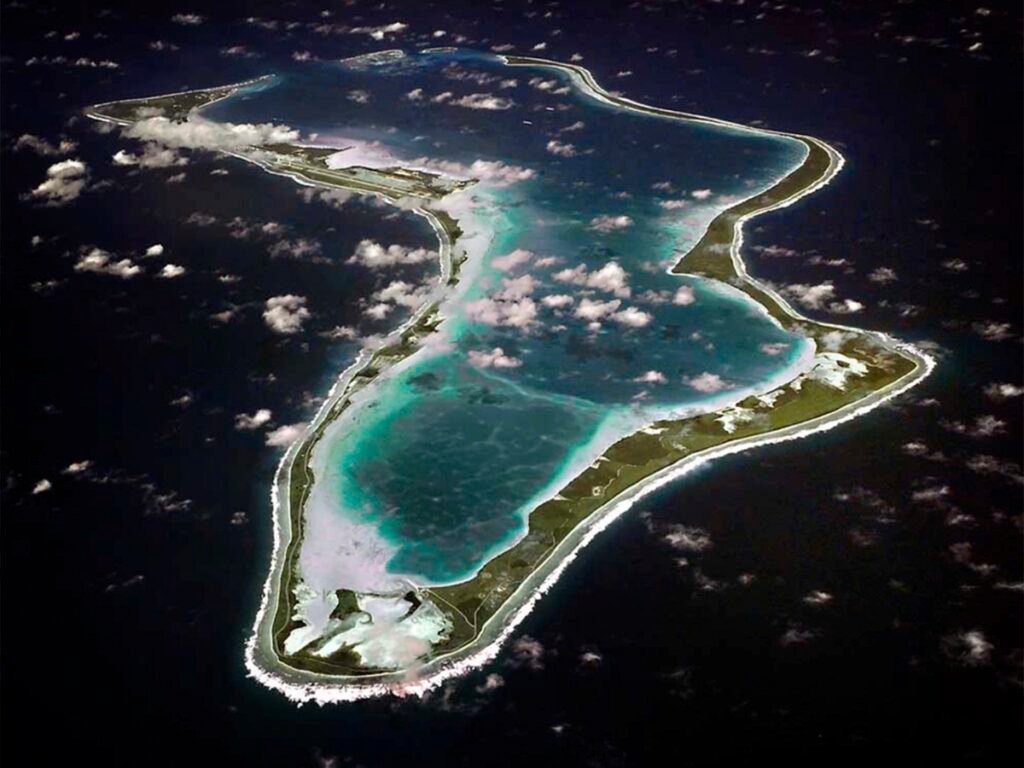
The Chagos Islands were separated from Mauritius by the United Kingdom in 1965, shortly before Mauritian independence. Thousands of Chagossians were forcibly removed from their homeland to make way for a military base on Diego Garcia, which has since been operated by the UK and the United States.
Many displaced families resettled in Mauritius, where they have struggled for decades with poverty, identity loss, and the trauma of exile. Generations have grown up hearing stories of the islands but have never seen their ancestral home.
What the Deal Proposes
In recent years, negotiations between Mauritius and the UK have aimed to resolve sovereignty disputes over the archipelago. International legal bodies, including the International Court of Justice, have supported Mauritius’ claim that the UK should return the territory.
The current deal framework reportedly involves the UK recognizing Mauritian sovereignty while maintaining security arrangements for the Diego Garcia base. Supporters argue that this is a pragmatic compromise balancing geopolitical realities with historical justice.
Why Families Are Divided
However, the agreement has divided Mauritian society and, in some cases, families themselves:
- Hope vs. Skepticism: Some see the deal as a historic victory and the first real step toward resettlement and compensation. Others fear it prioritizes strategic interests over the rights of displaced Chagossians.
- Resettlement Concerns: Questions remain about whether displaced families will genuinely be allowed to return, under what conditions, and whether adequate infrastructure will be developed.
- Political Polarization: Political parties in Mauritius hold differing views on how the negotiations have been handled, fueling heated debates that spill into households and communities.
- Generational Divide: Older Chagossians often focus on justice and return. Younger generations, having built lives in Mauritius or abroad, may prioritize economic security over symbolic sovereignty.
The Emotional Core
For many Chagossian families, this issue is not just about borders or diplomacy—it is about belonging. Stories of forced displacement, loss of livelihood, and broken communities are still deeply felt. Some fear that a diplomatic settlement could close the chapter without delivering true reconciliation.
At the same time, others believe this is the best opportunity in decades to move forward and finally resolve one of the most painful legacies of colonial history in the Indian Ocean region.
A Nation at a Crossroads
Mauritius now stands at a delicate moment. The Chagos question touches national pride, international law, strategic military interests, and human rights. Whether the deal ultimately heals or deepens divisions will depend on how transparently it is implemented—and whether displaced families are placed at the center of the process.
Found this article useful?
If this content helped you, you may support the developer by contributing the cost of a coffee.
Pay $5