
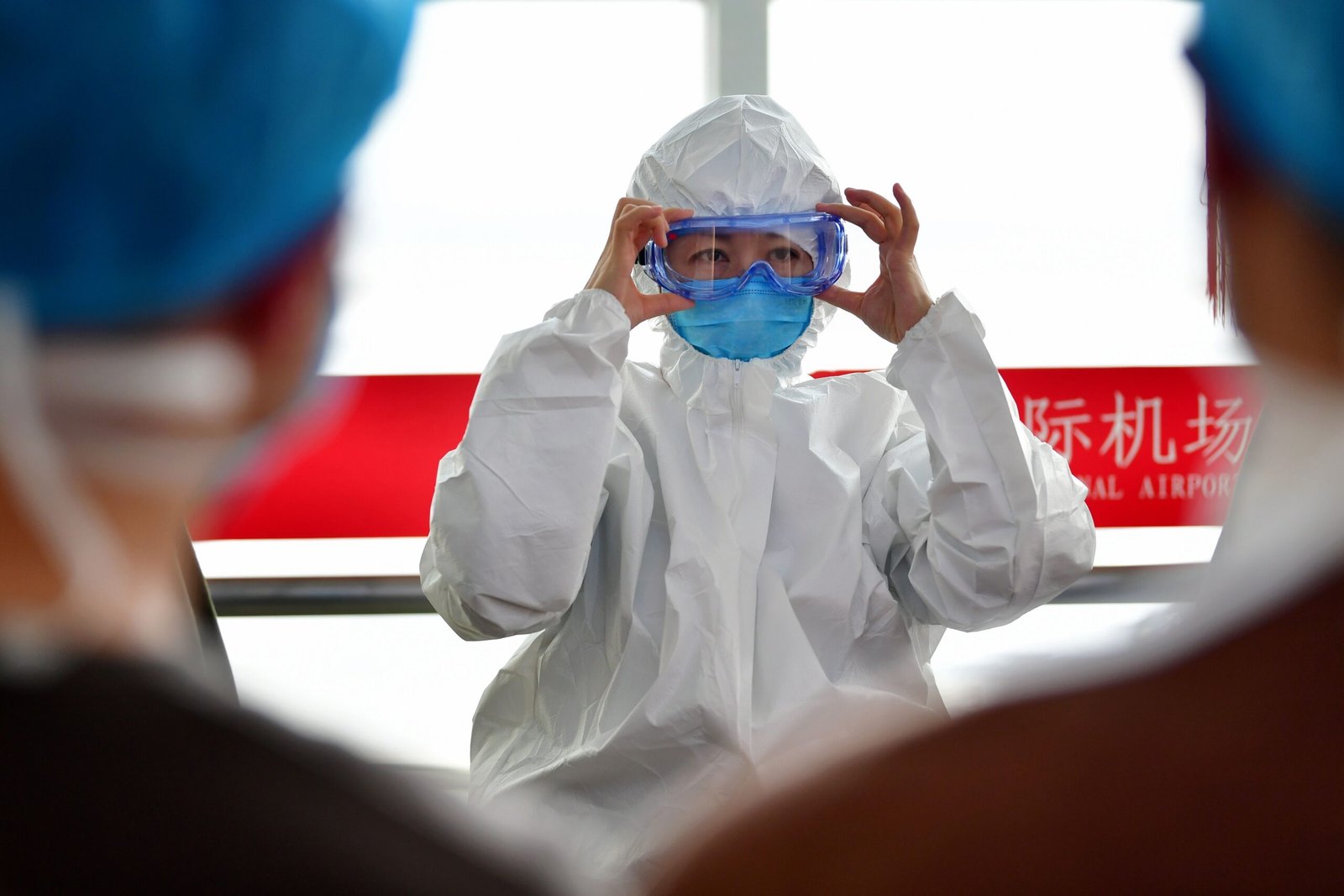
Sir Seewoosagur Ramgoolam International Airport recently became the focus of a major national public health preparedness exercise after Mauritian authorities conducted a large-scale Ebola simulation operation involving three separate emergency scenarios designed to test the country’s readiness for a potential infectious disease crisis.
The high-level simulation exercise brought together multiple government agencies, healthcare institutions, emergency response teams, aviation authorities, immigration services, and security personnel in one of the most comprehensive public health emergency preparedness drills organized in Mauritius in recent years.
Officials stated that the exercise aimed to evaluate the nation’s capacity to rapidly identify, isolate, contain, and manage a suspected Ebola outbreak entering through international air travel. The operation also tested coordination between frontline agencies responsible for border security, public health management, emergency medicine, airport operations, and national crisis response systems.
The simulation exercise reflects growing international concern regarding emerging infectious diseases, cross-border health threats, and the increasing importance of pandemic preparedness following lessons learned from the COVID-19 crisis.
Why Ebola Preparedness Still Matters
Although Ebola outbreaks primarily occur in parts of Africa, global health experts continue emphasizing that international travel means no country is completely isolated from infectious disease risks.
Ebola virus disease remains one of the world’s most dangerous viral illnesses due to:
- High fatality rates
- Rapid health deterioration
- Severe hemorrhagic symptoms
- Human-to-human transmission risks
- Healthcare system pressure
The World Health Organization and international health agencies continue encouraging countries worldwide to maintain:
- Border screening capacity
- Isolation preparedness
- Laboratory testing systems
- Emergency coordination plans
- Public health surveillance
For island nations like Mauritius that rely heavily on international tourism and air connectivity, preparedness at airports becomes especially critical.
SSR International Airport Considered a Strategic Entry Point
SSR International Airport remains Mauritius’ main international aviation gateway and one of the country’s most strategically important infrastructure facilities.
Every year, the airport handles:
- International tourists
- Business travelers
- Cargo operations
- Transit passengers
- Diplomatic travel
Health authorities consider airports particularly vulnerable during infectious disease events because large numbers of travelers arrive from multiple international destinations within short periods.
The Ebola simulation exercise therefore focused heavily on:
- Passenger screening
- Rapid detection systems
- Isolation procedures
- Emergency medical transfer protocols
- Inter-agency communication systems
Officials reportedly tested how quickly authorities could react if a potentially infected passenger arrived in Mauritius.
Three Emergency Scenarios Tested
The large-scale simulation reportedly involved three separate emergency scenarios designed to challenge different parts of the national response system.
Scenario 1: Suspected Infected Passenger Arrival
The first scenario reportedly simulated the arrival of a passenger displaying Ebola-like symptoms during or immediately after an international flight.
Authorities tested:
- Airport medical screening
- Passenger identification systems
- Contact tracing procedures
- Emergency isolation activation
- Protective equipment deployment
Frontline personnel were required to rapidly identify the suspected case while minimizing panic among passengers and airport staff.
The simulation also evaluated whether airport authorities could maintain operational continuity while managing a potential infectious disease emergency.
Scenario 2: In-Flight Medical Emergency
The second scenario reportedly involved an in-flight medical emergency where a traveler became seriously ill before landing.
Emergency teams tested:
- Aircraft emergency coordination
- Ambulance deployment
- Specialized medical transport
- Isolation corridor procedures
- Border control coordination
This phase focused heavily on coordination between:
- Airlines
- Airport management
- Immigration officers
- Public health authorities
- Emergency medical teams
Officials examined how effectively communication systems functioned during rapidly evolving emergency conditions.
Scenario 3: Contact Exposure and Secondary Risk Management
The third scenario reportedly simulated exposure risks involving passengers, airport workers, or healthcare staff who may have come into contact with the suspected infected traveler.
This stage tested:
- Contact tracing systems
- Quarantine procedures
- Secondary isolation readiness
- Public health communication strategies
- Crisis management coordination
Authorities reportedly evaluated how quickly exposure networks could be identified and controlled to prevent wider transmission risks.
Multiple Agencies Participated
The simulation exercise required coordination between numerous institutions and agencies.
Participants reportedly included:
- Ministry of Health officials
- Airport authorities
- Immigration services
- Police units
- Emergency ambulance services
- Aviation operators
- Public health specialists
- Disaster management officials
- National laboratory personnel
Large-scale infectious disease preparedness exercises often depend on inter-agency coordination because real outbreaks can affect:
- Healthcare systems
- Border security
- Transportation networks
- Public communication
- National emergency planning
Experts note that even small delays in coordination can significantly affect outbreak containment.
COVID-19 Lessons Influenced the Exercise
The COVID-19 pandemic fundamentally changed how governments worldwide approach infectious disease preparedness.
Mauritius, like many countries, faced major challenges during the pandemic involving:
- Border closures
- Quarantine management
- Healthcare pressure
- Economic disruption
- Tourism losses
Public health experts say COVID-19 demonstrated the importance of:
- Early detection
- Rapid isolation
- Coordinated communication
- Emergency logistics
- Healthcare surge capacity
The Ebola simulation exercise reportedly incorporated many operational lessons learned during the pandemic period.
Airport Biosecurity Becoming More Important
Global aviation hubs increasingly face pressure to strengthen biosecurity measures due to rising concerns over:
- Emerging viruses
- Global mobility
- Climate-linked disease spread
- Pandemic threats
- International public health emergencies
Airports now play central roles in national disease prevention systems.
Modern biosecurity planning often includes:
- Thermal screening systems
- Isolation rooms
- Protective equipment stockpiles
- Specialized training
- Emergency medical transport protocols
Mauritius continues investing in border health preparedness to protect both residents and tourism-dependent economic sectors.
Healthcare Workers Tested Under Pressure
Healthcare personnel participating in the exercise reportedly underwent realistic operational stress simulations.
Medical staff were required to demonstrate:
- Proper protective equipment use
- Infection control procedures
- Emergency patient handling
- Isolation protocols
- Hazard containment measures
Healthcare worker safety remains especially important during Ebola-related operations because medical personnel often face elevated exposure risks during outbreak responses.
International outbreaks have historically shown that healthcare systems can become overwhelmed if protective procedures fail.
Importance of Contact Tracing Systems
One major focus of the exercise involved evaluating contact tracing capabilities.
Contact tracing is considered critical during infectious disease outbreaks because authorities must rapidly identify:
- Exposed passengers
- Family contacts
- Airport workers
- Healthcare personnel
- Transportation links
The speed of contact tracing can significantly influence whether an outbreak remains contained or spreads more widely.
Digital technology increasingly assists modern contact tracing efforts through:
- Passenger databases
- Travel records
- Communication systems
- Health surveillance platforms
Public Communication Strategies Evaluated
Authorities also reportedly tested crisis communication systems during the exercise.
Public communication becomes especially important during health emergencies because misinformation can:
- Trigger panic
- Spread confusion
- Undermine trust
- Disrupt emergency response efforts
Officials examined how quickly accurate information could be shared with:
- Travelers
- Media organizations
- Healthcare institutions
- Government agencies
- The general public
Experts emphasize that transparent communication often becomes one of the most important tools during outbreak management.
Tourism Industry Closely Monitoring Preparedness
The Mauritian tourism industry closely follows public health preparedness developments because the country’s economy depends heavily on international travel and tourism confidence.
Tourism stakeholders generally support strong health preparedness systems because they help reassure:
- International visitors
- Airlines
- Foreign governments
- Travel operators
Following COVID-19, travelers increasingly pay attention to:
- Healthcare infrastructure
- Border health protocols
- Emergency preparedness
- Sanitation standards
A strong public health response system may therefore support broader tourism resilience and economic stability.
Laboratory Testing Capacity Reviewed
The exercise reportedly also involved evaluating national laboratory response capabilities.
In infectious disease emergencies, laboratories play critical roles in:
- Diagnostic confirmation
- Sample analysis
- Surveillance monitoring
- Outbreak tracking
Fast laboratory turnaround times can significantly improve outbreak containment strategies.
Mauritius continues strengthening laboratory systems and healthcare infrastructure as part of broader public health modernization efforts.
Global Health Threats Continue Evolving
International health experts continue warning that future disease outbreaks remain highly possible due to:
- Increased global travel
- Urbanization
- Climate change
- Wildlife interaction
- Population density
Preparedness exercises are therefore becoming increasingly common worldwide.
Governments now recognize that:
- Prevention alone is insufficient
- Rapid response capacity is essential
- Multi-agency coordination is critical
- Public trust matters significantly
The Ebola simulation exercise reflects broader global trends toward proactive crisis preparedness.
National Preparedness Seen as Strategic Priority
For Mauritius, maintaining strong emergency preparedness systems carries strategic importance beyond healthcare alone.
Preparedness affects:
- National security
- Economic resilience
- Tourism confidence
- International reputation
- Public safety
Island nations may face particular vulnerabilities because of:
- Limited healthcare capacity
- Import dependency
- Tourism exposure
- Geographic isolation
Authorities therefore continue investing in emergency planning and response modernization.
Experts Praise Simulation-Based Training
Public health specialists generally support realistic simulation exercises because they help identify:
- Operational weaknesses
- Communication gaps
- Equipment shortages
- Coordination delays
- Training needs
Exercises also help frontline personnel gain practical experience under controlled conditions before real emergencies occur.
Experts note that preparedness systems must continuously evolve because outbreak risks and global travel patterns constantly change.
Future Preparedness Exercises Expected
Authorities are expected to continue conducting additional emergency preparedness exercises involving:
- Airports
- Hospitals
- Seaports
- Disaster response systems
- National health infrastructure
Future drills may also address:
- Pandemic influenza
- Respiratory viruses
- Bioterrorism risks
- Maritime health emergencies
Preparedness planning increasingly requires governments to anticipate multiple overlapping crisis scenarios.
Conclusion
The Ebola simulation exercise conducted at SSR International Airport represents one of Mauritius’ most significant recent public health preparedness operations. By testing three separate emergency scenarios involving suspected Ebola cases, in-flight medical emergencies, and secondary exposure risks, authorities aimed to strengthen national readiness for potential infectious disease threats entering through international travel.
The exercise highlights how global health security has become increasingly important in a highly interconnected world where outbreaks can spread rapidly across borders. For Mauritius, maintaining strong emergency preparedness systems is critical not only for public health protection but also for safeguarding tourism, economic stability, and national resilience.
As global health risks continue evolving, authorities are likely to place even greater emphasis on coordinated emergency response systems, border biosecurity, healthcare readiness, and crisis communication strategies in the years ahead.
About the Author – Mauritius Ranker
Mauritius Ranker is a leading digital media and analysis platform covering Mauritian healthcare, public policy, tourism, aviation, infrastructure, business, technology, and national developments. Through professional journalism, expert analysis, and in-depth reporting, Mauritius Ranker delivers trusted insights into the issues shaping Mauritius and the wider Indian Ocean region.
Enjoying Mauritius Ranking?
If you find our local guides and rankings helpful, add Mauritius Ranking as a Preferred Source on Google to see more of our latest content.
Found this article useful?
If this content helped you, you may support the developer by contributing the cost of a coffee.
Pay $5
