
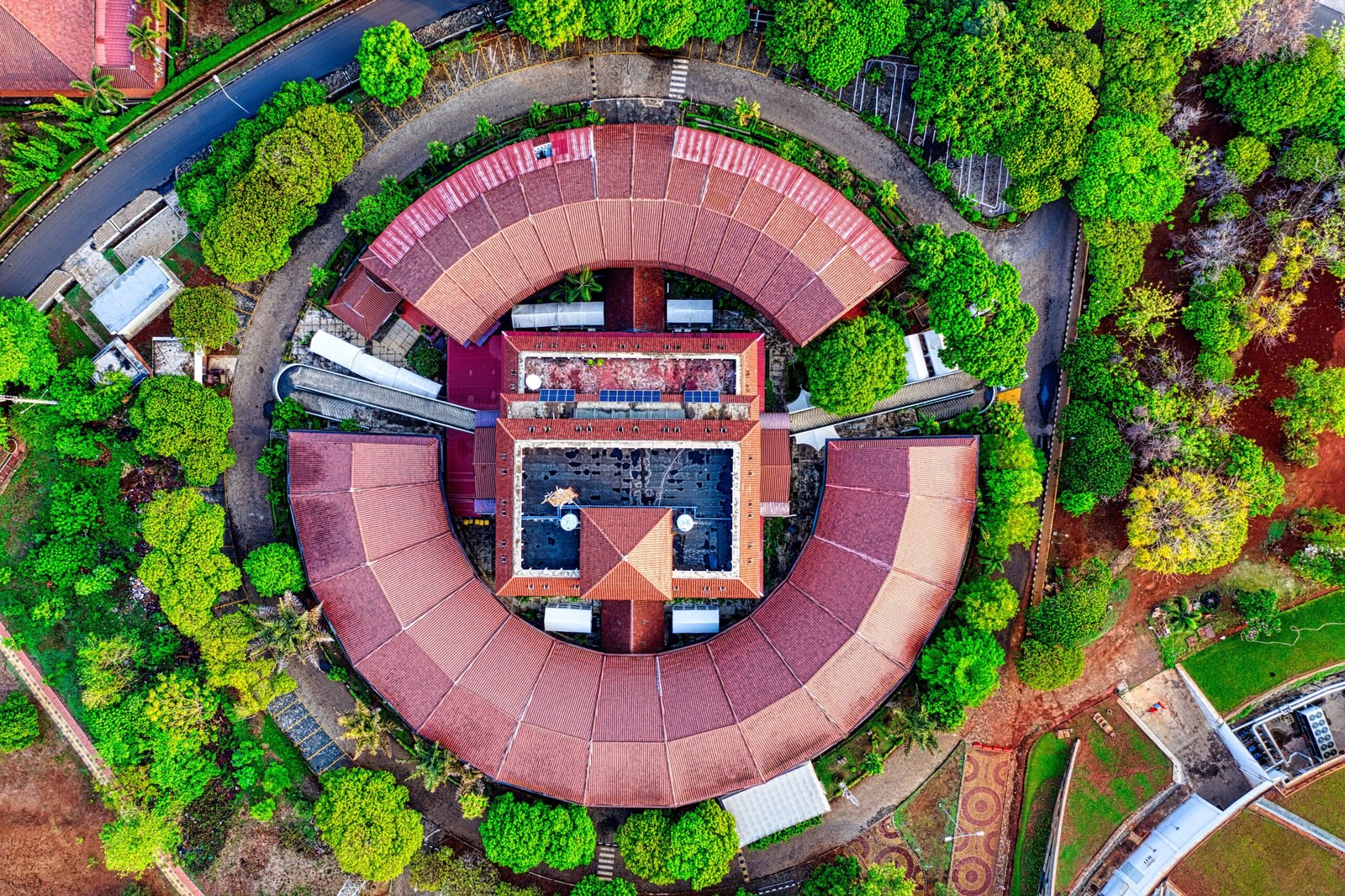
Choosing a college for design or architecture is an important decision. The right programme can help students develop creative thinking, technical knowledge, visual communication skills, and an understanding of how buildings and spaces are planned. In Mauritius, students can explore several educational pathways, from professional architecture degrees to interior design, fine arts, multimedia, and vocational training in technical drawing.
The best design and architecture colleges in Mauritius depend on what you want to study. Someone planning to become an architect will need a different qualification from someone interested in interior design, graphic design, animation, or computer-aided drafting. Comparing institutions by course content, qualification level, practical work, and professional recognition is therefore more useful than relying on a ranking alone.
This guide compares five institutions: ENSA Nantes Mauritius, the Academy of Design and Innovation, Polytechnics Mauritius, the School of Fine Arts at the Mahatma Gandhi Institute, and Delta Institute Mauritius. Each offers a different route into the wider design and built-environment sector.
The scores shown in this article are editorial estimates created for comparison. They are not official rankings, accreditation results, or guarantees of employment. Programme availability, admission conditions, contact details, and fees can change, so prospective students should confirm the latest information directly with each institution before applying.
1. ENSA Nantes (Mauritius) – School of Architecture
ENSA Nantes Mauritius is the Mauritius campus of the École Nationale Supérieure d’Architecture de Nantes in France. It is one of the most directly relevant choices for students whose main goal is to study architecture and urbanism. The campus is located at the Uniciti International Education Hub in Pierrefonds, in western Mauritius.
The school’s published programme information includes a Bachelor of Architecture and Urbanism and a Master of Architecture and Urbanism. Its educational approach connects architectural design with spatial thinking, project development, the built environment, and urban questions. Students should consult the current programme descriptions to understand the subjects, studio requirements, admission process, and qualification awarded.
Average Score: 98/100
Address: Uniciti Education Hub, MU, Royal Road, Pierrefonds 72448, Mauritius
Location:
Mauritius
Contact:+23055095909
Email: info.ensa-mauritius@nantes.archi
Website: ENSA Nantes Mauritius – Official website
Google Business Profile (GMB): Click Here
Google Maps:
Insights
ENSA Nantes Mauritius is particularly relevant to students who want architecture to be the central focus of their education. Architectural study involves much more than drawing attractive buildings. Students need to consider how people use spaces, how structures relate to their surroundings, how materials behave, and how design decisions affect the wider environment.
Design studios and project work are important parts of architectural education. Applicants should ask how studio projects are assessed, what drawing and modelling skills are expected, whether a portfolio is required, and how much independent work students should anticipate.
The school’s published admissions information includes portfolio-related requirements. Students should read the latest application instructions carefully and prepare their documents well before an application deadline. The official website currently indicates that applications for the 2026–2027 academic year have closed; applicants should contact the institution for information about future intakes rather than assuming applications remain open.
Programmes and learning areas to explore
- Bachelor of Architecture and Urbanism
- Master of Architecture and Urbanism
- Architectural design and project development
- Spatial design and urbanism
- Building concepts and design presentation
- Architectural research and critical thinking
- Studio-based projects and design experimentation
Programme names, duration, entry requirements, and qualification details should be checked on the official course pages before applying.
Who should consider ENSA Nantes Mauritius?
This institution is worth considering if you are committed to architecture, enjoy design projects, and want to develop a deeper understanding of buildings and urban spaces. It may be less suitable if your primary interest is graphic design, advertising, or short-term CAD training.
2. Academy of Design and Innovation (ADI)
The Academy of Design and Innovation is a design-focused educational institution located at the MITD Complex in Ebene–Réduit. Its creative and design-related programmes make it relevant to students interested in interior design, visual communication, art and design, and other creative disciplines.
ADI is a useful option for learners who want to explore design without necessarily following the same route as a professional architecture student. Interior design, for example, involves the planning and presentation of indoor environments, including the use of space, materials, lighting, colour, furniture, and visual details.
Average Score: 97/100
Address: MU, Royal Road, 80817, Mauritius
Location:
Mauritius
Contact: +2304676277
Email: registry@adi.ac.mu
Admissions email: admission@adi.ac.mu
Website: Academy of Design and Innovation – Official website
Google Business Profile (GMB): Click here
Google Maps:
Insights
ADI is worth exploring if you are drawn to the creative side of design. Students interested in interior design may want to work on residential spaces, offices, retail interiors, hospitality environments, or exhibition spaces. Other design pathways may focus on visual identity, digital communication, animation, and multimedia.
When comparing programmes, look beyond the course title. Ask to see the module list, examples of student projects, portfolio expectations, assessment methods, and the qualification level. If you plan to continue studying later, check whether the qualification meets the entry requirements for your intended next programme.
ADI publishes information about its programmes, admissions, and portfolio preparation. Applicants should use the current official programme pages to confirm which qualifications are available for the intake they want to join.
Programmes and learning areas to explore
- BA (Hons) Interior Design, subject to current programme availability
- Pearson BTEC Higher National Diploma in the Interior Design Industry, subject to current availability
- Graphic design and visual communication
- Art and design
- Animation and multimedia-related disciplines
- Creative project development and portfolio preparation
This list identifies areas to investigate; it should not be treated as confirmation that every programme is open for admission in every intake.
Who should consider ADI?
ADI may suit students who enjoy creative problem-solving, visual presentation, interior spaces, or digital design. It is especially worth investigating if you want a structured design programme and a portfolio that demonstrates your development over time
3. Polytechnics Mauritius Ltd (PML)
Polytechnics Mauritius Ltd offers applied, career-oriented education. For students interested in the built environment, its architectural and interior design pathways are worth examining because they connect creative work with technical knowledge and practical project development.
The institution’s published Diploma in Architectural Design information describes a three-year programme, including an internship. Its curriculum overview refers to design studios, construction technology, Building Information Modelling (BIM), sustainability, and project work. These are useful areas for students who want to understand both the creative and technical sides of architectural design.
Average Score: 96/100
Address: Powder Mills, Pamplemousses, Mauritius
Location:
Pamplemousses
Contact: +2302600500
Website: Polytechnics Mauritius – Official website
Google Business Profile (GMB): Click here
Google Maps:
Insights
PML is worth considering if you want an applied programme that combines design with construction-related knowledge. Architectural design students need to develop the ability to communicate ideas clearly, interpret project requirements, understand building components, and present drawings and models in a professional format.
Digital tools are also increasingly relevant in the built environment. CAD software is used for technical drawings, while BIM tools support the creation and coordination of digital building models. Students should ask which software is taught, whether access to computer facilities is provided, and whether they need to bring their own equipment.
Practical experience is another important point. If a programme includes an internship or industrial placement, ask how placements are arranged, what responsibilities students may have, and whether the placement is compulsory for graduation.
Programmes and learning areas to explore
- Diploma in Architectural Design
- Diploma in Interior Architecture, subject to current availability
- Architectural design studios
- Construction technology and building materials
- Computer-aided design (CAD)
- Building Information Modelling (BIM)
- Sustainable design concepts
- Practical projects and industry exposure
Confirm the latest programme duration, fees, entry requirements, awarding arrangements, and industrial placement conditions directly with PML.
Who should consider PML?
PML may be suitable for students who prefer applied technical learning and want to explore architectural or interior design. It is important to distinguish an architectural design diploma from a professional architecture qualification. If your long-term goal is to become a registered architect, confirm the full academic and professional pathway with the relevant authorities before enrolling.
4. School of Fine Arts – Mahatma Gandhi Institute (MGI)
The School of Fine Arts at the Mahatma Gandhi Institute in Moka offers a creative education pathway for students interested in visual arts and related fields. Although fine arts is not the same as professional architecture, it can be relevant to students considering graphic design, visual communication, image production, or other creative careers.
The institute’s published course information includes a Diploma in Visual Arts. The programme description refers to traditional media such as drawing, painting, sculpture, and printmaking, alongside newer media including digital photography and video. This combination may interest students who want to develop a strong visual foundation before progressing into a specialist creative field.
Average Score: 95/100
Address: QGF3+43M, Moka, Mauritius
Location:
Moka
Contact: +2304032000
Website: Mahatma Gandhi Institute – Official portal
Google Business Profile (GMB): Click here
Google Maps:
Insights
The School of Fine Arts is most relevant to students whose interests lean towards visual expression and creative communication rather than building design alone. A strong understanding of drawing, composition, colour, form, and visual storytelling can be useful across several design careers.
For students considering graphic design or multimedia, it is important to ask how much of the course focuses on digital tools, software, portfolio development, and applied projects. For students who may later pursue architecture or interior design, fine arts can build visual skills, but it should not automatically be assumed to satisfy the academic entry requirements for those professional pathways.
Applicants should review the course-specific entry requirements. The published Diploma in Visual Arts information includes academic and art-related requirements, so prospective students should check whether their qualifications meet the current criteria.
Study areas to explore
- Diploma in Visual Arts
- Drawing and painting
- Sculpture and printmaking
- Digital photography and video
- Visual communication
- Creative project development
- Portfolio preparation and presentation
The exact range of available courses can vary, so use the current official course portal for confirmation.
Who should consider the School of Fine Arts?
This school may be suitable for students who want to develop creative and visual skills, particularly if they are interested in fine arts, image-making, and related creative disciplines. It is not a substitute for an accredited professional architecture programme.
5. Delta Institute Mauritius
Delta Institute Mauritius is a vocational and professional training provider that prospective students can investigate for draughtsmanship and construction-related technical training. Its published training information has referred to National Certificate Level 4 in Draughtsmanship and skills connected with architectural, interior, structural, and building-services drawings.
This type of training is different from a university architecture degree. Draughtsmanship and CAD training are generally focused on producing accurate technical drawings and supporting the design and construction process. These skills can be useful in technical support roles, subject to the qualification, employer requirements, and the learner’s experience.
Average Score: 94/100
Address: 13 Dr O. Beaugeard Street, Cnr Lagaite, Port Louis, Mauritius
Location:
Port Louis
Contact: +2302117643
Website: Delta Institute Mauritius – Official website
Google Business Profile (GMB): Click here
Google Maps:
Insights
Delta Institute may be worth exploring if your goal is to learn technical drawing, drafting, and CAD-related skills. These areas can be relevant to construction firms, architectural practices, engineering consultancies, and other businesses that need accurate technical documentation.
Before registering, ask for the full qualification title, the awarding body, the current course duration, practical assessment requirements, and any relevant recognition or approval details. If a course is advertised as recognised or approved, request the exact programme name and verify that status with the relevant authority.
Students who aim to become registered architects should be especially careful when comparing vocational qualifications with professional degrees. A technical drawing certificate may support entry into a related job, but it should not be assumed to meet professional registration requirements.
Training areas to ask about
- Draughtsmanship and technical drawing
- Architectural drawing
- Interior and structural drawings
- Building-services drawings
- CAD-related skills
- Construction documentation
- Practical technical training
Course availability and current qualification details should be confirmed directly with Delta Institute.
Who should consider Delta Institute?
Delta Institute may suit learners who want a vocational route into technical drawing or construction support. It may also be relevant to people already working in the sector who want to develop additional technical skills. It is not automatically an alternative to a professional architecture degree.
Summary Comparison Table
| Institution | Average Score /100 | Location | Main Specialisation | Best For |
|---|---|---|---|---|
| ENSA Nantes Mauritius | 98 | Pierrefonds | Architecture and urbanism | Students pursuing architecture-focused education |
| Academy of Design and Innovation | 97 | Ebene–Réduit | Interior design and creative disciplines | Students interested in design and visual creativity |
| Polytechnics Mauritius | 96 | Pamplemousses | Architectural design and interior architecture | Applied and technical design learning |
| School of Fine Arts, MGI | 95 | Moka | Visual arts and image production | Students developing creative and visual skills |
| Delta Institute Mauritius | 94 | Port Louis | Draughtsmanship and technical drawing | Learners interested in vocational drafting skills |
Understanding the Difference Between Architecture, Interior Design and Graphic Design
Before choosing a college, it helps to understand what each field involves. The terms are sometimes used together, but the courses and career pathways can be quite different.
Architecture
Architecture focuses on the design and planning of buildings and the relationship between structures, users, and the surrounding environment. Students may study design studios, construction technology, architectural history, building materials, environmental considerations, and project presentation.
If you want to become a registered architect, do not select a course based only on its name. Verify the recognised qualification, required practical experience, and registration pathway with the relevant professional authority in Mauritius.
Interior design and interior architecture
Interior design focuses on the way people experience indoor spaces. Depending on the programme, learners may explore space planning, lighting, furniture, materials, colour, ergonomics, presentation drawings, and design software.
Interior design may suit students who enjoy making homes, offices, retail spaces, or hospitality environments more functional and visually appealing. Ask whether a course includes practical design projects and a portfolio.
Graphic and visual design
Graphic design involves communicating ideas through images, typography, layout, and visual systems. It can lead towards work in branding, advertising, digital media, publishing, and creative communications.
Students should check which design software is taught and whether they will create a portfolio of original work. Employers and clients often want to see how a designer approaches a brief, develops concepts, and presents finished work.
Draughtsmanship and CAD
Draughtsmanship and computer-aided design focus on producing technical drawings and digital representations. These skills can support architectural, engineering, and construction teams.
A CAD qualification can be valuable for technical roles, but its level and recognition should be checked carefully if you intend to progress into a degree or professional registration pathway.
Career Opportunities After Design and Architecture Studies
Career opportunities depend on the qualification, technical skills, portfolio, experience, and any professional registration requirements.
- Architect: Develops building designs and coordinates architectural projects. The right recognised qualifications and professional registration are important.
- Architectural assistant: Supports design teams with research, drawings, documentation, and project preparation.
- Interior designer: Plans interior layouts, materials, lighting, furniture, and finishes.
- Interior design assistant: Helps prepare design concepts, specifications, presentations, and project documents.
- CAD technician: Produces and updates technical drawings using computer-aided design software.
- BIM technician: Supports digital building modelling and coordination using Building Information Modelling tools.
- Draughtsperson: Prepares technical drawings for building, engineering, or construction projects.
- Graphic designer: Creates visual identities, advertising material, layouts, and digital content.
- Multimedia designer: Works on animation, video, digital content, or interactive media.
- Visual artist: Develops artwork for exhibitions, commissions, education, or creative projects.
A qualification does not guarantee a particular job or salary. Practical experience, communication, reliability, technical proficiency, and the quality of a portfolio can all influence employment opportunities.
How to Choose the Right Design or Architecture College in Mauritius
1. Start with your career goal
Decide whether you want to study architecture, interior design, graphic design, fine arts, multimedia, or technical drawing. This will help you narrow your choices before comparing fees and locations.
If your goal is professional architecture, prioritise programmes that clearly identify their qualification and professional pathway. If you are more interested in visual communication, a design or fine arts programme may be a closer fit.
2. Check the qualification and awarding body
Ask the institution for the exact title of the qualification and the organisation that awards it. Check the institution and the specific programme with the relevant education authority. If professional registration matters to your plans, confirm the requirements with the relevant professional council.
Do not assume that a course is recognised for every purpose simply because it is offered by an established institution.
3. Look at student work and practical learning
Design education should help you turn ideas into work that can be presented and assessed. Ask whether students complete design studios, technical drawings, models, digital projects, internships, or portfolio assignments.
If possible, attend an open day or ask the institution whether it can share examples of student projects. These can help you understand the kind of work expected throughout the course.
4. Compare course duration and total cost
Request the latest fee schedule, including registration fees, tuition, examination charges, software or equipment requirements, materials, and any placement-related costs. Ask whether the course is full-time or part-time and how often classes take place.
A programme with a lower advertised fee may still involve additional expenses, so compare the full cost rather than tuition alone.
5. Consider location and travel
The location of a college can affect daily travel, transport expenses, and the time available for assignments. Students should confirm the exact teaching venue, especially if an institution has more than one location or uses partner facilities.
If the programme includes studio work or practical sessions, ask whether attendance at the campus is required throughout the course.
6. Ask about progression opportunities
If you intend to continue studying after a diploma or certificate, ask which higher-level qualifications accept it. Get confirmation from the receiving institution rather than relying only on verbal assurances.
This is especially important when moving from vocational training to a degree programme or from a creative course into a professional architecture pathway.
Questions to Ask Before Enrolling
Before paying an application or registration fee, ask the admissions team:
- What is the exact qualification awarded at the end of the programme?
- Who awards the qualification?
- Is the institution and the specific course currently recognised or approved by the relevant authority?
- What are the academic and portfolio entry requirements?
- What is the full tuition fee, including registration and examination charges?
- How long does the programme take to complete?
- Does the course include studio projects, internships, or industry placements?
- Which software, tools, and materials will students need?
- What are the current attendance and assessment requirements?
- What further-study options are available after graduation?
- If I want to become a registered architect, does this qualification form part of the required pathway?
Final Thoughts
The best design and architecture college in Mauritius depends on the type of work you want to do and the qualification required for your chosen career. ENSA Nantes Mauritius is the most directly focused option in this comparison for architecture and urbanism. The Academy of Design and Innovation is worth exploring for interior design and creative disciplines, while Polytechnics Mauritius offers applied architectural design training. The School of Fine Arts at MGI is relevant to visual arts, and Delta Institute may be worth investigating for draughtsmanship and technical drawing.
Before making a decision, compare the current syllabus, entry requirements, full course fees, qualification awarded, practical work, and progression opportunities. If your goal is to become a registered architect, verify the required qualification and professional pathway before enrolling.
A careful comparison will help you choose a programme that fits your interests and long-term goals. Use the official websites linked in this guide as your starting point, and contact the institutions directly for the latest information.
How Does Mauritius Ranking Work?
Our rankings are based on various factors, including ratings, customer reviews, reputation, service quality, relevance, and other relevant criteria. The factors considered may vary depending on the business category, ensuring that each category is evaluated using criteria relevant to its nature and services.
View Ranking MethodologyEnjoying Mauritius Ranking?
If you find our local guides and rankings helpful, add Mauritius Ranking as a Preferred Source on Google to see more of our latest content.
Found this article useful?
If this content helped you, you may support the developer by contributing the cost of a coffee.
Pay $5