
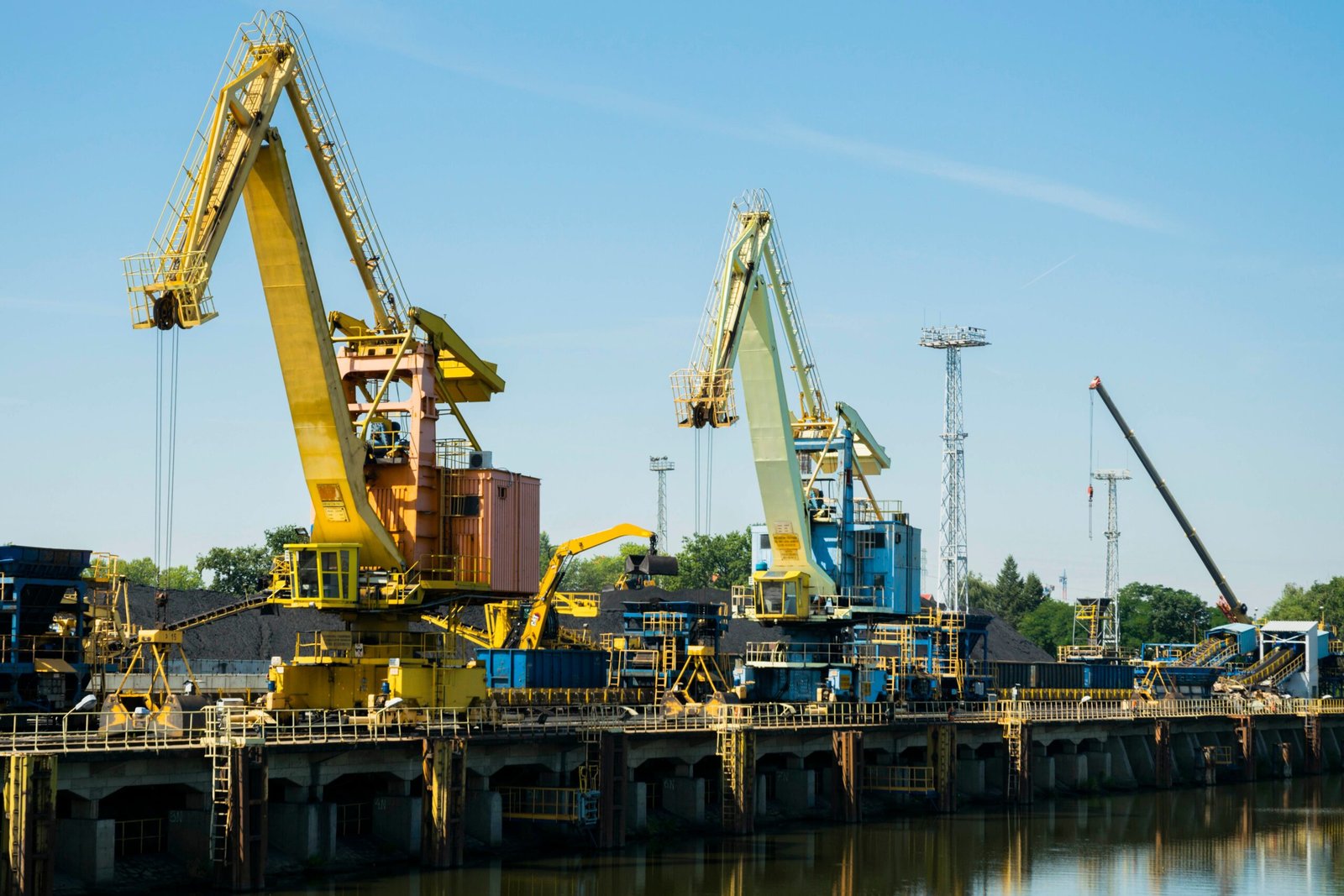
Mauritius’ main port operations experienced significant disruption after seven gantry cranes reportedly became unavailable, resulting in delays of up to two hours for cargo handling and vessel operations. The incident has raised concerns among shipping companies, logistics providers, importers, and exporters about operational efficiency and the resilience of the country’s maritime infrastructure.
As the Port of Mauritius serves as a vital gateway for international trade, maintaining reliable cargo-handling equipment is essential to supporting economic activity and ensuring the smooth movement of goods.
What Happened?
According to reports, the temporary unavailability of seven gantry cranes affected container loading and unloading operations, causing longer waiting times for vessels and delays in cargo processing.
While port authorities worked to manage the situation and minimize disruptions, the equipment issues highlighted the importance of maintaining critical infrastructure at one of Mauritius’ busiest transport hubs.
Why Gantry Cranes Are Important
Gantry cranes are among the most essential pieces of equipment in a modern container port. They are responsible for transferring containers between ships and the port terminal quickly and efficiently.
When several cranes become unavailable at the same time, ports may experience:
- Slower loading and unloading operations.
- Longer vessel turnaround times.
- Delays in cargo deliveries.
- Increased operational costs.
- Congestion within the port terminal.
- Supply chain disruptions for businesses.
Reliable crane operations are therefore critical to maintaining efficient international trade.
Impact on Businesses and Trade
Port delays can affect a wide range of industries that rely on imported raw materials and exported products.
Potential impacts include:
Delayed Deliveries
Importers may experience longer waiting periods before receiving shipments, affecting inventory management and distribution schedules.
Increased Shipping Costs
Extended vessel waiting times and operational delays can contribute to higher logistics and transportation costs.
Supply Chain Challenges
Manufacturers, retailers, and exporters may face scheduling disruptions if cargo movements are delayed.
Pressure on Port Operations
Equipment failures can place additional strain on available resources as operators work to clear backlogs and restore normal service.
Importance of Infrastructure Maintenance
Modern ports require regular maintenance and timely upgrades to ensure equipment remains safe, reliable, and capable of handling increasing cargo volumes.
Key priorities include:
- Preventive maintenance programmes.
- Investment in modern cargo-handling equipment.
- Rapid repair and replacement procedures.
- Staff training and technical support.
- Digital monitoring of equipment performance.
- Long-term infrastructure planning.
These measures help improve operational efficiency and reduce the risk of unexpected disruptions.
Supporting Mauritius’ Maritime Economy
The Port of Mauritius plays a crucial role in the country’s economy by facilitating international trade, supporting local industries, and serving as a regional logistics hub. Maintaining efficient port operations is essential for strengthening Mauritius’ competitiveness in global shipping and commerce.
Continued investment in port infrastructure and equipment modernization can help improve productivity while supporting future economic growth.
Looking Ahead
Port authorities are expected to continue repair and maintenance work to restore full operational capacity and reduce future disruptions. Ongoing investment in infrastructure, equipment reliability, and operational planning will be important to ensuring that Mauritius’ port remains efficient and competitive in the years ahead.
Final Thoughts
The disruption caused by the reported failure of seven gantry cranes underscores the importance of maintaining reliable infrastructure at Mauritius’ principal port. While temporary delays can occur in any major logistics operation, proactive maintenance, equipment upgrades, and effective contingency planning are essential for minimizing operational interruptions. Strengthening port resilience will help ensure the smooth movement of goods, support businesses, and reinforce Mauritius’ position as a key maritime and trade hub in the Indian Ocean.
About the Author – Mauritius Ranker
Mauritius Ranker is a trusted platform covering business, logistics, infrastructure, government policy, tourism, technology, and economic developments across Mauritius. Our editorial team is committed to delivering accurate, balanced, and insightful reporting that helps readers stay informed about the latest developments shaping the country’s economy, transport sector, and future growth.
Found this article useful?
If this content helped you, you may support the developer by contributing the cost of a coffee.
Pay $5