
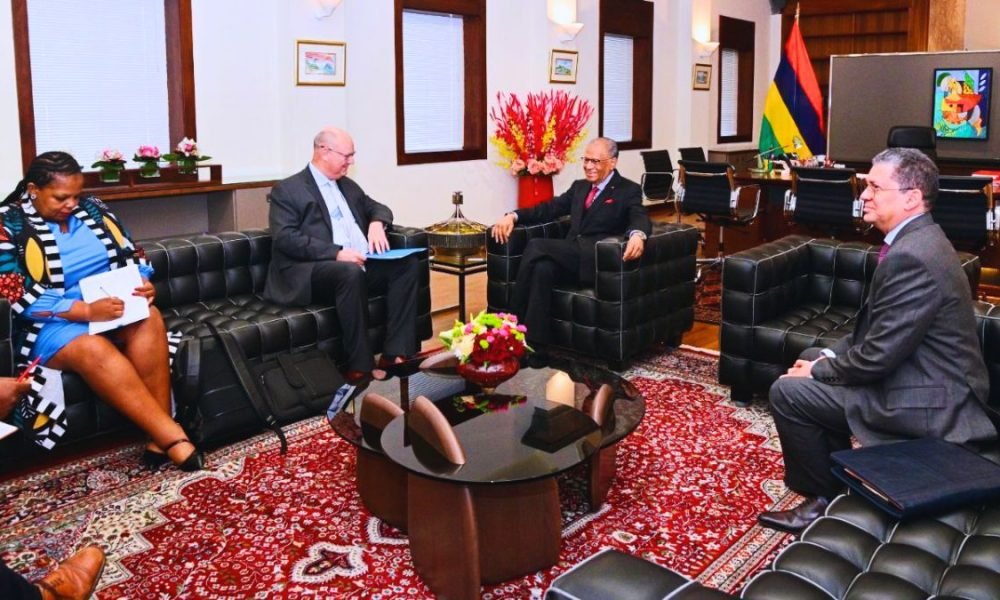
A high-level delegation from the International Monetary Fund (IMF) met with Mauritius Prime Minister Navin Ramgoolam to deliberate on comprehensive Fiscal Responsibility Reform, marking a significant step toward strengthening the nation’s economic governance and long-term financial stability.
The meeting focused on reinforcing fiscal discipline, improving public debt management, and implementing transparent budgetary frameworks aimed at safeguarding Mauritius’ economic resilience amid global financial uncertainties.
Key Focus Areas of the Discussion
1. Strengthening Fiscal Discipline
The IMF delegation emphasized the importance of maintaining sustainable public finances through improved expenditure controls and enhanced revenue mobilization strategies. Discussions revolved around setting realistic deficit targets and strengthening compliance mechanisms within government institutions.
2. Public Debt Management
With global economic volatility impacting emerging markets, fiscal reform initiatives aim to stabilize public debt levels. The Prime Minister highlighted Mauritius’ commitment to adopting prudent borrowing practices and ensuring that debt remains within manageable thresholds.
3. Transparency and Accountability
A core element of the reform agenda includes modernizing fiscal reporting systems. Both parties discussed enhancing transparency in government spending, improving audit processes, and aligning financial governance with international best practices.
4. Economic Growth and Social Protection
While fiscal consolidation remains a priority, the government reaffirmed its dedication to protecting social welfare programs and supporting economic growth initiatives. The IMF delegation acknowledged the need to balance fiscal responsibility with inclusive development policies.
Government’s Reform Vision
Prime Minister Navin Ramgoolam reiterated that fiscal responsibility reform is not merely about budget tightening but about building a stronger, more resilient economic framework. The reform strategy seeks to:
- Improve macroeconomic stability
- Enhance investor confidence
- Support private sector growth
- Strengthen institutional capacity
He emphasized that sustainable public finance management is essential for Mauritius to remain competitive in the global market.
IMF’s Role and Recommendations
The IMF delegation expressed support for Mauritius’ reform roadmap and offered technical assistance to ensure effective implementation. Recommendations included:
- Establishing a formal fiscal responsibility framework
- Introducing medium-term expenditure planning
- Enhancing data transparency and reporting standards
- Strengthening independent fiscal oversight mechanisms
The collaboration reflects Mauritius’ ongoing engagement with international financial institutions to maintain economic credibility and investor trust.
Economic Implications for Mauritius
Fiscal responsibility reform is expected to:
- Improve credit ratings
- Reduce fiscal deficits over time
- Enhance long-term economic sustainability
- Attract foreign direct investment
By adopting globally recognized fiscal management standards, Mauritius aims to position itself as a stable and reliable investment destination in the region.
Conclusion
The meeting between the International Monetary Fund delegation and Prime Minister Navin Ramgoolam signals a proactive approach toward fiscal reform and economic stability. As Mauritius navigates global economic challenges, strengthening fiscal responsibility remains central to ensuring sustainable growth, financial transparency, and long-term prosperity.
How Does Mauritius Ranking Work?
Our rankings are based on various factors, including ratings, customer reviews, reputation, service quality, relevance, and other relevant criteria. The factors considered may vary depending on the business category, ensuring that each category is evaluated using criteria relevant to its nature and services.
View Ranking MethodologyEnjoying Mauritius Ranking?
If you find our local guides and rankings helpful, add Mauritius Ranking as a Preferred Source on Google to see more of our latest content.
Found this article useful?
If this content helped you, you may support the developer by contributing the cost of a coffee.
Pay $5
