
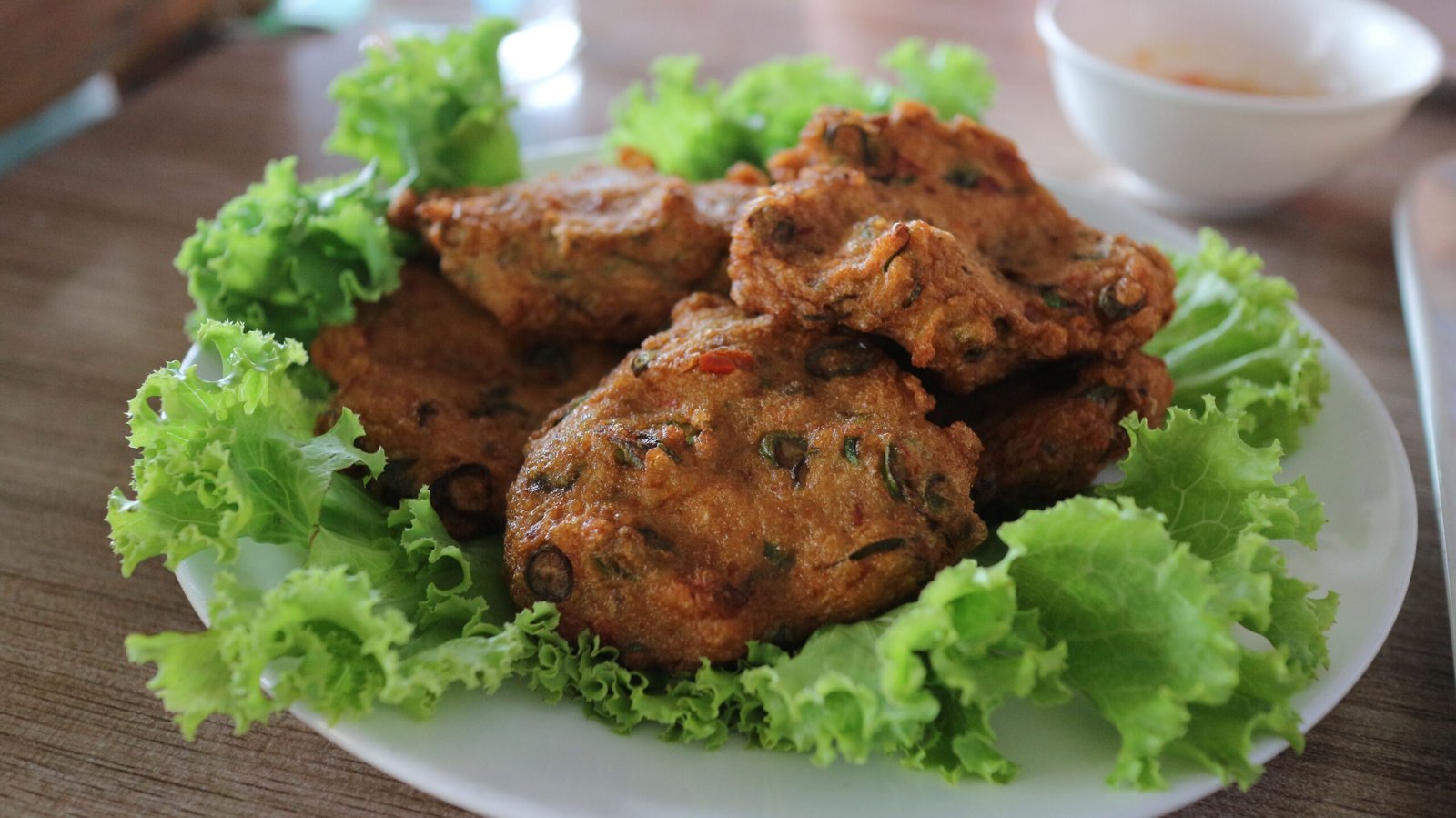
Mauritius is famous for its turquoise lagoons, white-sand beaches and beautiful resorts, but its food culture is another reason to visit the island. Mauritian cuisine brings together Indian, Chinese, African, French and Creole influences, creating a distinctive mix of spices, fresh seafood, comforting curries, handmade flatbreads, noodles, sweet pastries and refreshing drinks.
Food is part of everyday life in Mauritius. Locals enjoy freshly prepared snacks from roadside stalls, visit busy markets for breakfast and lunch, and gather with family over traditional rice dishes, curries and seafood. Visitors can discover this culinary diversity in the capital, Port Louis, in neighbourhoods such as Rose Hill, at markets in Quatre Bornes and Flacq, and in family-run restaurants around the island.
Whether you prefer vegetarian meals, spicy street food, seafood or sweet treats, there is plenty to explore. This guide to the best local foods to try in Mauritius explains the island’s most popular dishes, what they contain, where to find them and how to plan a memorable food experience.
1. Understanding Mauritian Cuisine
Mauritian food reflects the island’s multicultural population and history. Indian cooking traditions have influenced flatbreads, lentil dishes, curries and biryani. Chinese culinary traditions are visible in noodles, fried rice and dumplings. Creole cooking is known for tomato-based sauces, seafood, herbs and locally available ingredients, while French influences appear in pastries, sauces and desserts.
These traditions are not limited to separate communities. Over generations, recipes and ingredients have crossed cultural boundaries, becoming part of everyday Mauritian life.
A typical meal might include rice, lentils, vegetable sides, curry, pickles and a spicy sauce. A quick lunch might be a dholl puri bought from a street vendor, while an evening meal could feature grilled fish, octopus curry or a plate of fried noodles.
The best way to experience this variety is to try both street food and traditional sit-down meals. Local markets are ideal for sampling snacks, while family-run restaurants can introduce visitors to home-style Creole cooking.
2. Best Local Foods to Try in Mauritius
2.1 Dholl Puri: A Must-Try Mauritian Favourite
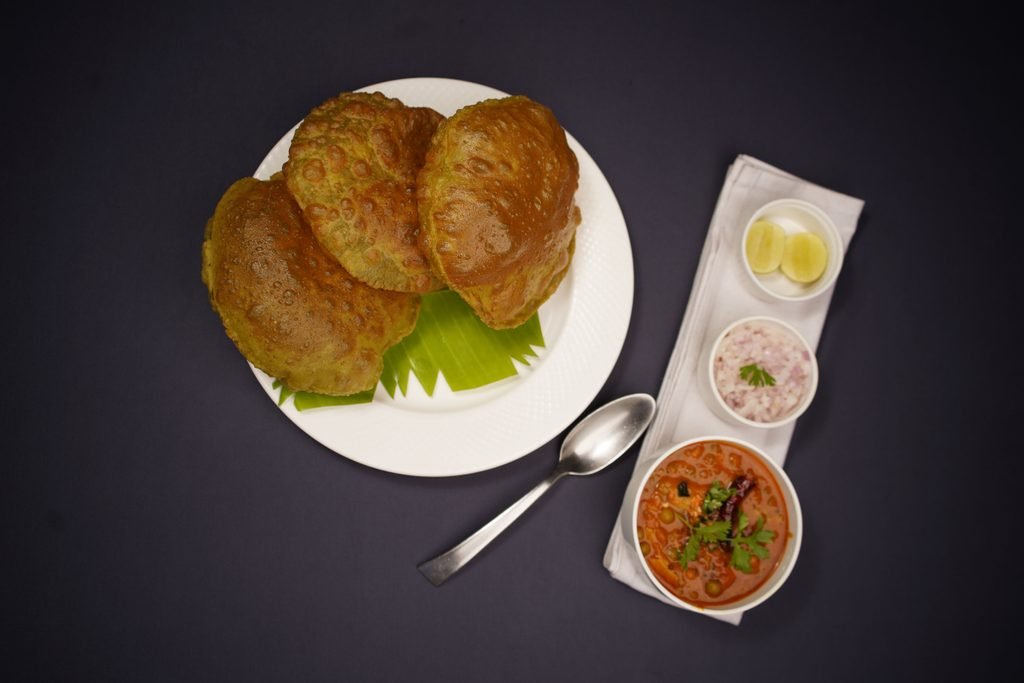
Dholl puri is one of the island’s best-known street foods and an excellent starting point for anyone exploring Mauritian cuisine. It is a thin, soft flatbread made with wheat flour and ground yellow split peas. Vendors usually serve it with bean curry, chutney, pickles and, if requested, chilli sauce.
The bread is folded or rolled around the fillings, making it easy to eat while walking around a market or taking a break from sightseeing. Recipes and fillings vary from vendor to vendor, so trying dholl puri in more than one town can be part of the fun.
Where to try it:
- Port Louis Central Market: A popular place to explore street-food stalls and local produce.
- Chez Bye Dhollpurri Roti, Rose Hill: A well-known casual stop for dholl puri and roti.
- Quatre Bornes Market: Worth visiting for local snacks and the busy market atmosphere.
- Dewa, Rose Hill: Another name visitors may encounter when researching traditional flatbreads and local snacks.
Dholl puri is generally vegetarian, but check the fillings and sauces if you have specific dietary requirements.
2.2 Farata: Flaky Flatbread Served with Curry
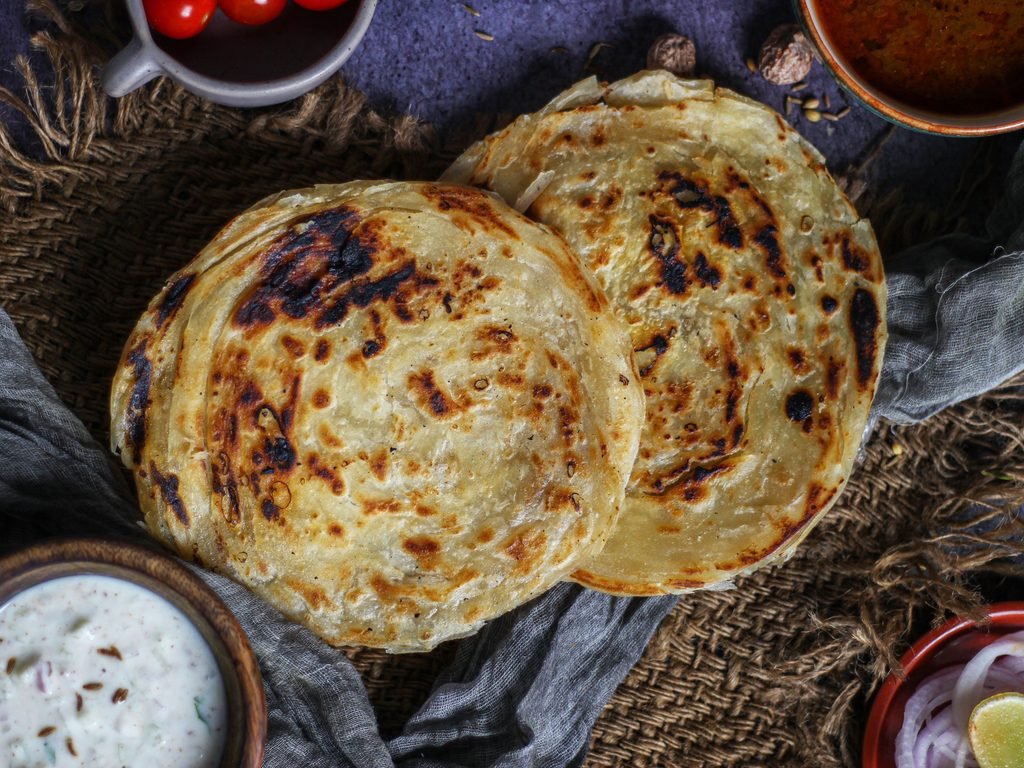
Farata is a layered flatbread similar to paratha. It is cooked on a hot griddle and has a soft, slightly flaky texture. It is often eaten with vegetable curry, lentils, pickles or other savoury accompaniments.
Although dholl puri contains a split-pea filling in the bread itself, farata is usually a plain flatbread served alongside other foods. This makes it a good option for travellers who want to sample Mauritian curry dishes.
Where to try it:
- Farata AKA Vinoda, Flic en Flac: A casual stop for local flatbread and quick meals.
- Local snack shops in Rose Hill and Port Louis: Look for places serving freshly prepared roti and curry.
- Market food stalls: Ask vendors what fillings or accompaniments are available that day.
2.3 Gâteau Piment: Spiced Split-Pea Fritters
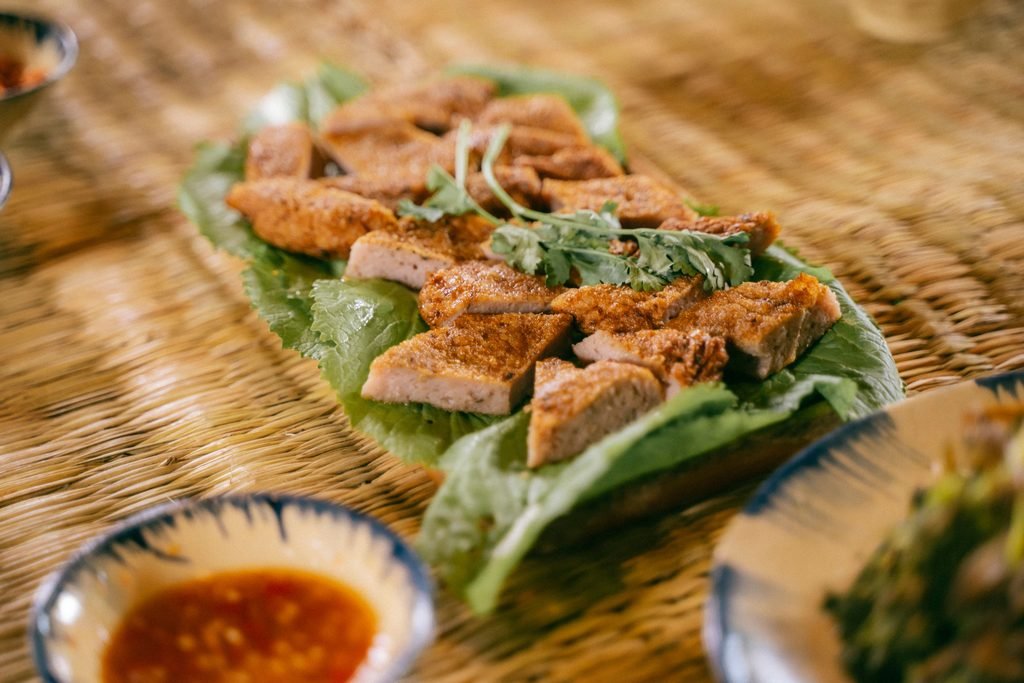
Gâteau piment, sometimes written as gato pima, is a popular savoury snack made from ground yellow split peas, chilli, herbs and spices. The mixture is shaped into small fritters and deep-fried until crisp on the outside and soft inside.
Despite its name, the heat level can vary. Some versions are mildly spiced, while others contain more chilli. Locals often enjoy these fritters with tea or place them inside a bread roll for a quick snack.
Where to try it:
- Port Louis Central Market
- Rose Hill snack stalls
- Quatre Bornes Market
- Roadside vendors and bakeries across the island
For the freshest taste, choose a busy stall where the fritters are being cooked regularly.
2.4 Samosas and Other Fried Snacks
Samosas are crisp pastry triangles filled with spiced potatoes, vegetables or other savoury ingredients. They are widely available in Mauritius and are a familiar option for visitors who enjoy Indian-style snacks.
You may also find gato arouy, a fritter made with grated taro, along with banana cakes and other small fried snacks. These foods are often sold at markets, near transport hubs and outside shops.
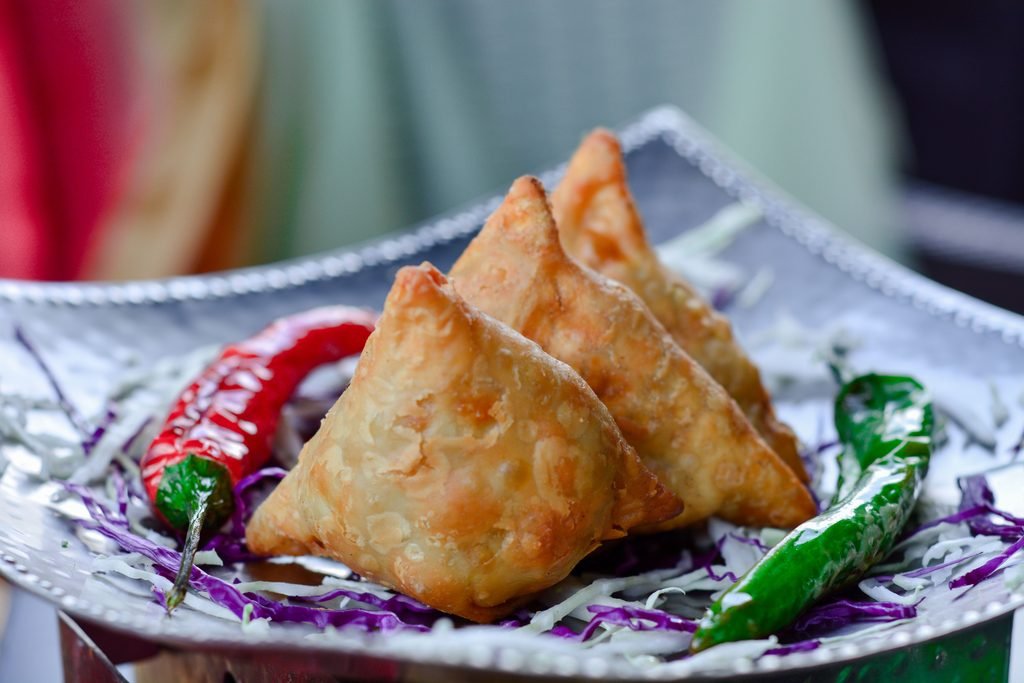
Where to try them: Explore the snack counters at Port Louis Central Market, local bakeries, and neighbourhood food stalls in Rose Hill and Quatre Bornes.
2.5 Boulettes: Mauritian Dumplings
Boulettes are dumplings associated with the Chinese-Mauritian side of the island’s food culture. They may contain fish, chicken, prawns, vegetables or other fillings, depending on the shop. They are often served in a warm broth with noodles, leafy vegetables and chilli sauce on the side.
The dish is comforting, especially on a cooler day, and is a good way to explore a different part of Mauritius’s culinary heritage.
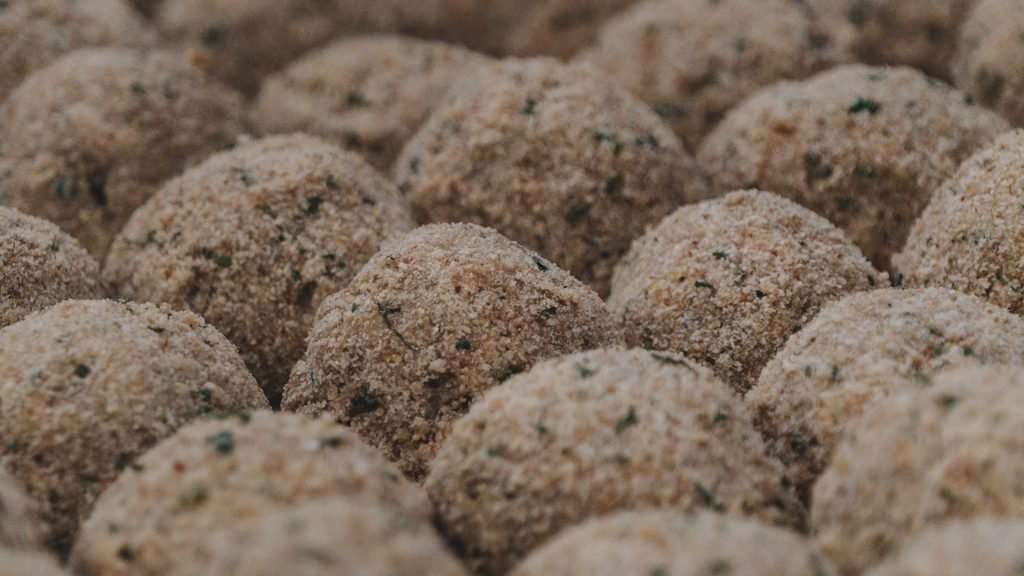
Where to try them:
- Port Louis Chinatown: A useful area to explore small Chinese-Mauritian eateries.
- Ti Kouloir, Grand Baie: Known as a casual local-style stop for noodles and dumplings.
- Food stalls and snack shops around the island: Ask whether the dumplings are steamed, served in soup or available with noodles.
If you do not eat meat or seafood, ask about the filling before ordering.
2.6 Mine Frite: Mauritian Fried Noodles
Mine frite is a popular noodle dish prepared by stir-frying noodles with vegetables, seasonings and optional ingredients such as egg, chicken, prawns or other seafood. The exact recipe depends on the cook and the restaurant.
It is often served as a quick lunch or takeaway meal. The flavour is savoury, and chilli sauce can be added for extra heat.
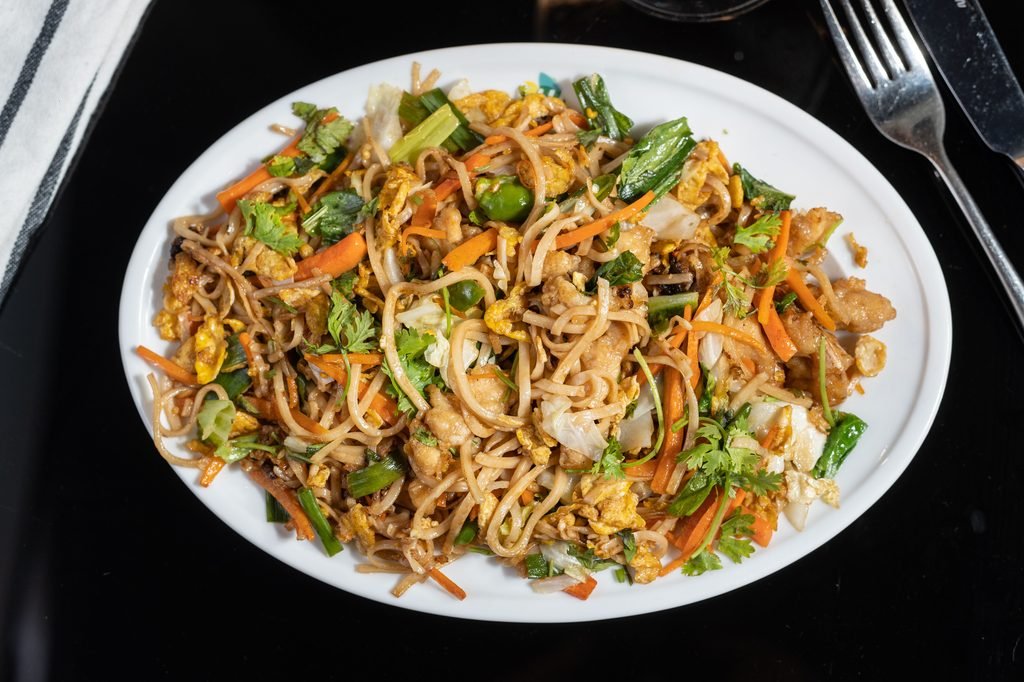
Where to try it:
- Ti Kouloir, Grand Baie: A casual option for noodles and dumplings.
- Port Louis Chinatown: Explore small eateries serving Chinese-Mauritian food.
- L’île cuisine – chez Mario, Mont Choisy: A beachside casual food stop known for fried rice and fried noodles.
Mine frite is a practical choice for travellers who want a filling meal without a formal restaurant experience.
2.7 Bol Renversé: The Upside-Down Bowl
Bol renversé is a distinctive Chinese-Mauritian dish assembled in a bowl and turned upside down onto a plate before serving. It typically combines rice, stir-fried vegetables, meat or seafood, and often a fried egg.
The name refers to the way the bowl is inverted to create a neat mound of rice and toppings. It is popular with people who enjoy rice-based meals and generous portions.
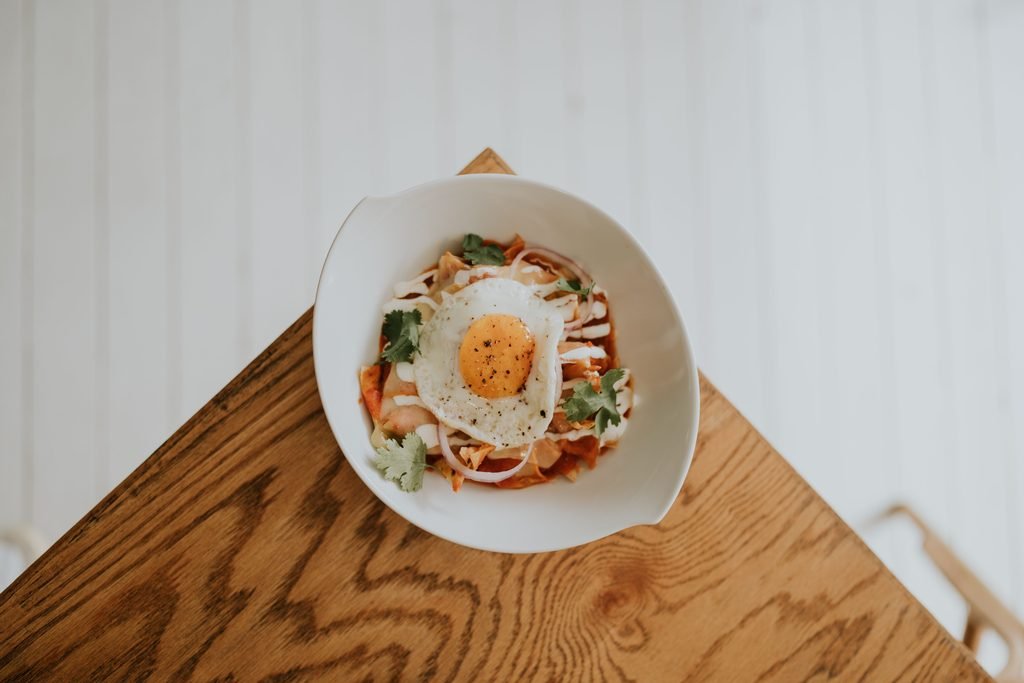
Where to try it: Look for Chinese-Mauritian restaurants and casual eateries in Port Louis, Chinatown and larger towns. Ask about the available vegetarian, chicken or seafood versions.
2.8 Mauritian Biryani
Mauritian biryani is a fragrant rice dish commonly prepared with spices, potatoes and chicken, beef, fish or vegetables. It is often served with chutneys, pickles or other accompaniments. Recipes differ between households and vendors.
Biryani is especially suitable for a substantial lunch or shared meal. It is also a useful dish to try if you enjoy Indian-influenced cooking but want to discover local variations.
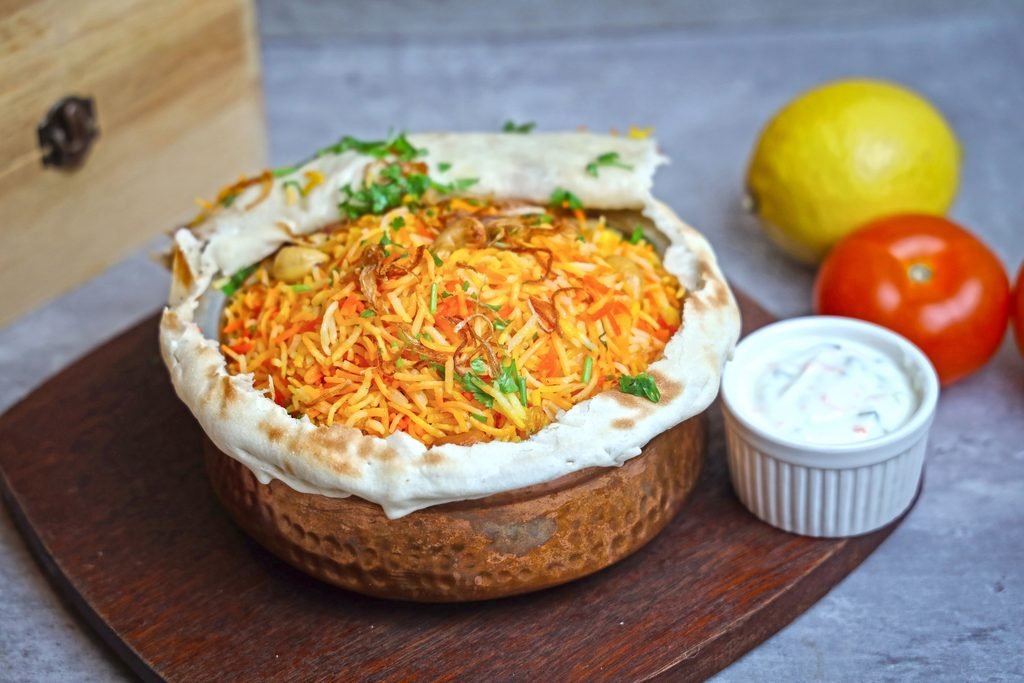
Where to try it: Look for busy market food stalls, local takeaways and family-run eateries in Port Louis, Rose Hill and Quatre Bornes. Market offerings can vary by day, so ask what has been prepared fresh.
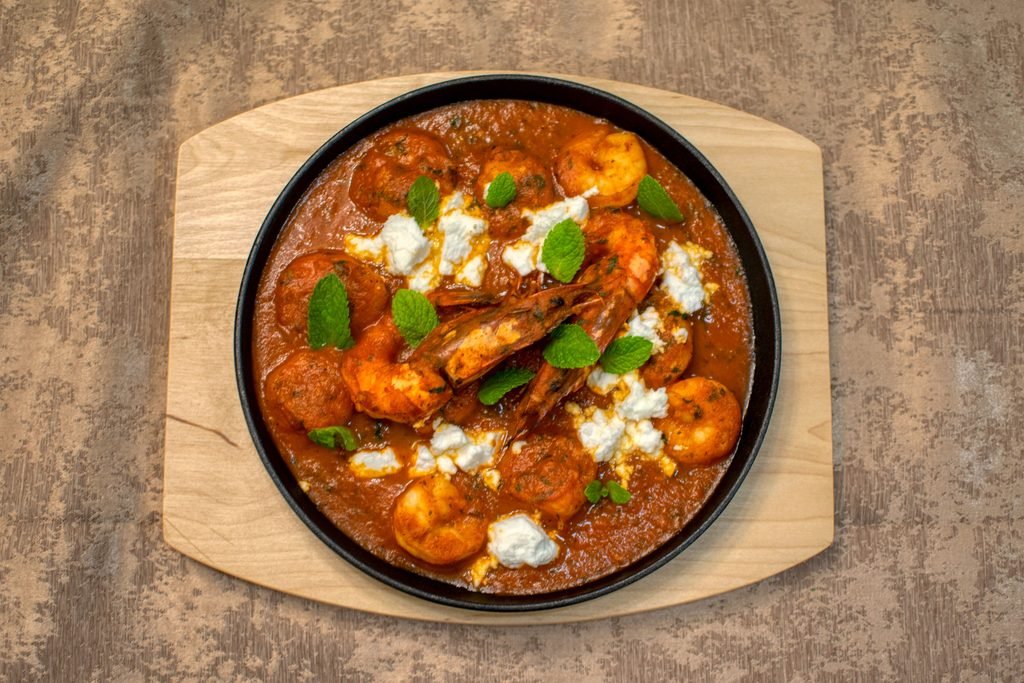
2.9 Rougaille: A Classic Creole Dish
Rougaille is a tomato-based sauce cooked with ingredients such as onion, garlic, ginger, thyme and chilli. It can be served with sausage, fish, salted fish or other ingredients, depending on the recipe.
The sauce is an important part of Mauritian Creole cooking. It is usually eaten with rice and may be accompanied by lentils, vegetables, pickles or chutneys. Some versions are mild and fragrant, while others are noticeably spicy.
Where to try it:
- Escale Créole, Moka: A family-run restaurant known for traditional Creole-style meals.
- La Rougaille Créole, Grand Baie: A restaurant option for Creole dishes and seafood.
- Kot Zanane Food Adventure Table d’Hôte, Le Morne area: Worth considering for a traditional-style Mauritian meal.
Ask which rougaille is available on the day, as the ingredients may vary.
2.10 Cari: Mauritian Curry
Curry, locally often called cari, is an important part of everyday cooking. It can be prepared with fish, chicken, octopus, vegetables, lentils or other ingredients. Spices and cooking methods differ across households, so there is no single recipe that represents every Mauritian curry.
A traditional meal may combine curry with rice, dhal, greens and pickles. Visitors who enjoy plant-based food can look for vegetable, chickpea or lentil options.
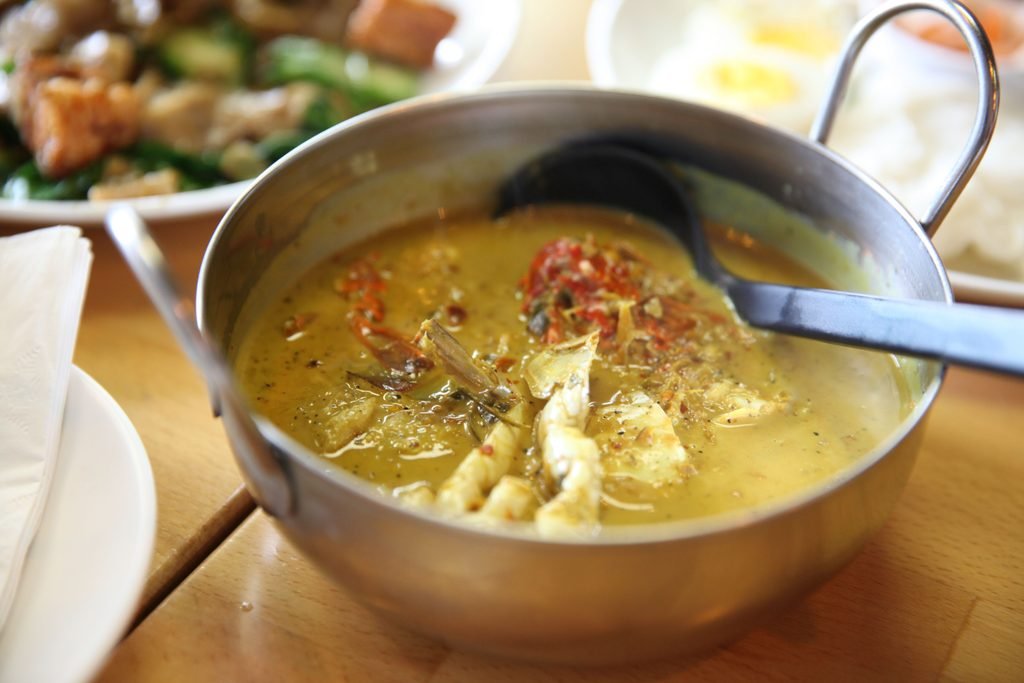
Where to try it: Escale Créole in Moka is one option for home-style Creole cooking. Traditional restaurants, local takeaways and family-run eateries around the island also serve curry dishes.
2.11 Vindaye: Tangy Mustard and Turmeric Flavours
Vindaye is a tangy preparation commonly made with fish or octopus. Mustard, turmeric, vinegar, garlic, onion and other seasonings give it its distinctive flavour. It may be served warm or cold, often with rice or other accompaniments.
Its combination of acidity and spice makes it different from a tomato-based rougaille or a creamy curry. If you enjoy bold flavours, vindaye is worth seeking out.
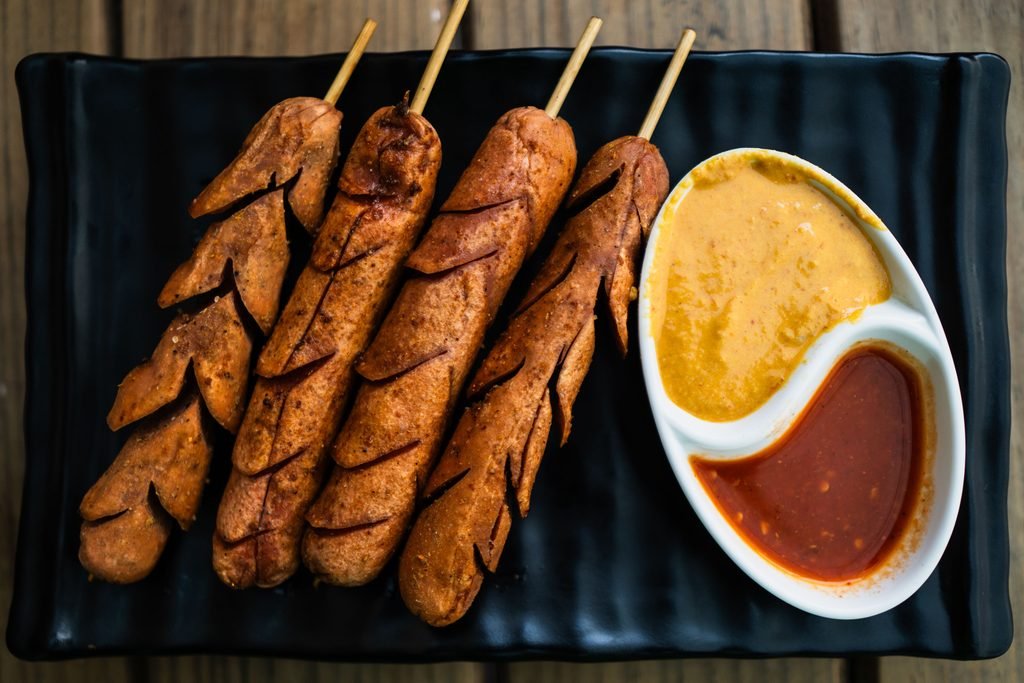
Where to try it: Ask for it at traditional Creole restaurants, including Escale Créole, or at local restaurants offering daily Mauritian specials. Availability may depend on the catch and the menu.
2.12 Octopus Curry and Fresh Seafood
Mauritius is an island, so seafood is a major part of its food culture. Depending on the location and season, menus may feature grilled fish, prawns, crab, calamari and octopus. Octopus curry is particularly associated with local Creole cooking and is often served with rice.
Grilled fish is another simple option. Fresh seafood may be seasoned with herbs, garlic, lemon and spices, allowing the natural flavour to stand out.
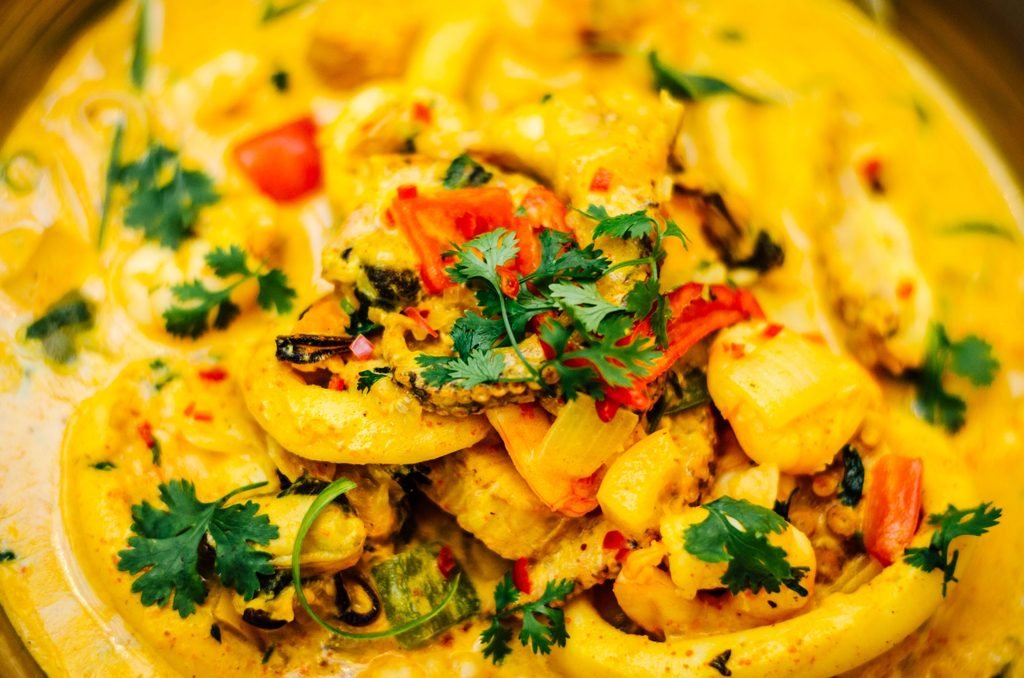
Where to try seafood:
- La Rougaille Créole, Grand Baie: A seafood-focused restaurant with Creole dishes.
- Kot Zanane Food Adventure Table d’Hôte, Le Morne area: A family-run option for local-style meals.
- Coastal restaurants in Grand Baie and Flic en Flac: Look for freshly prepared fish and seafood specials.
For premium seafood, confirm the price, portion size and whether the dish is priced by weight before ordering.
2.13 Millionaire’s Salad: A Special Local Delicacy
Millionaire’s salad, also known as palm heart salad, is prepared using the tender inner core of certain palm trees. It has a delicate texture and is usually served with a simple dressing and sometimes seafood.
It is considered a special-occasion dish in some settings and may cost more than everyday local meals because of the ingredient and preparation involved.
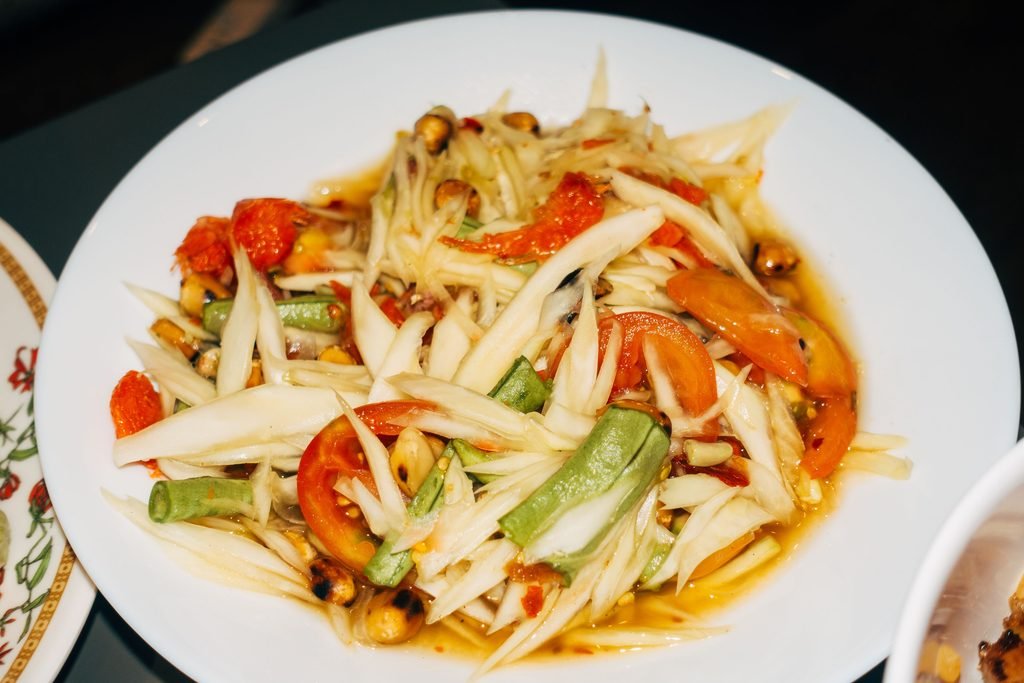
Where to try it: Ask at established Mauritian restaurants and higher-end dining venues, including La Table du Château at Domaine de Labourdonnais in Mapou, whether palm heart salad is on the current menu. It is not guaranteed to be available every day.
3. Best Mauritian Desserts and Sweet Treats
3.1 Napolitaine
Napolitaine is a familiar Mauritian bakery treat made from two shortbread-style biscuits joined with jam and covered in pink icing. It is buttery, sweet and commonly enjoyed with tea or coffee.
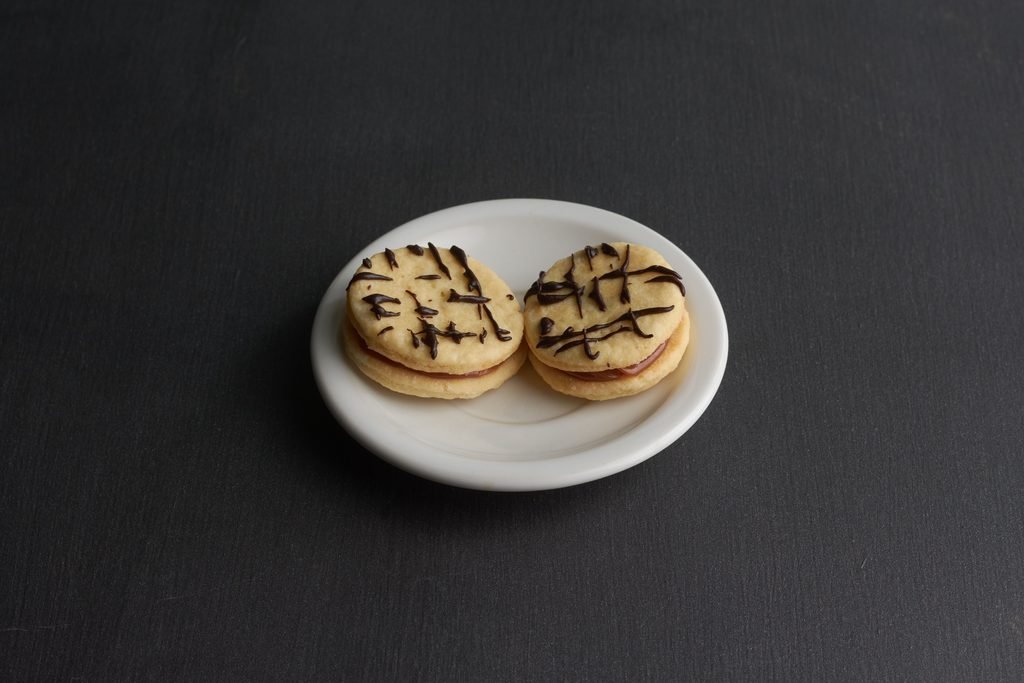
Where to try it: Visit local bakeries and patisseries in Port Louis, Rose Hill, Curepipe and other towns. The recipe and icing can vary between bakeries.
3.2 Gâteau Patate
Gâteau patate is a sweet potato pastry often filled with coconut and sugar. It is usually shaped into small parcels and cooked until lightly crisp outside, with a soft filling.
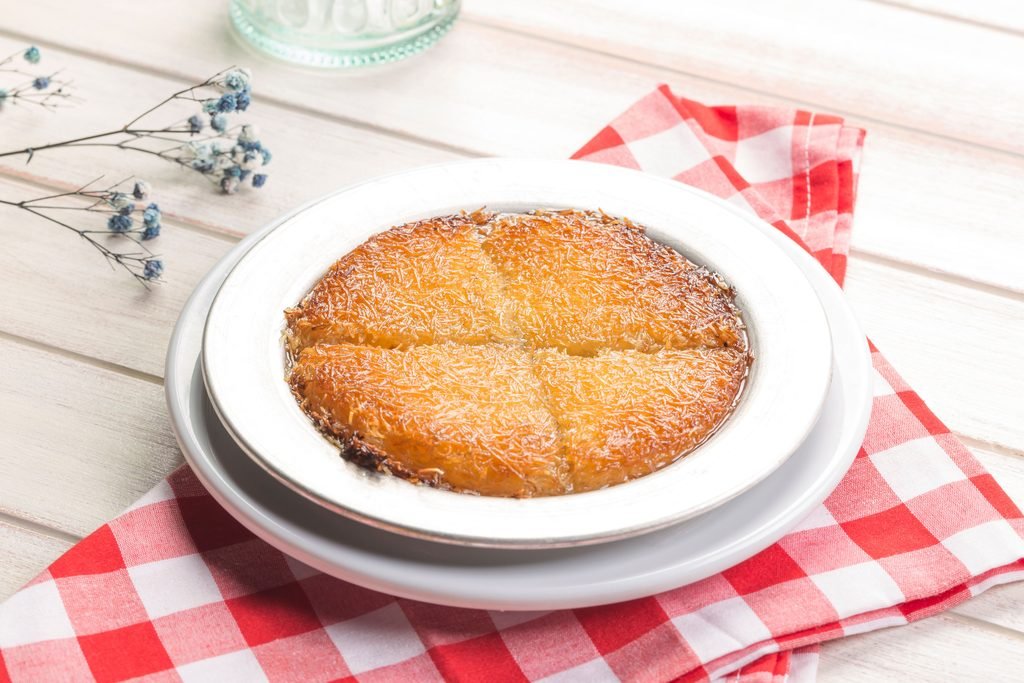
Where to try it: Look for it at local markets, traditional snack stalls and bakeries, especially where homemade Mauritian sweets are sold.
3.3 Gâteau Banane
Gâteau banane is a banana-based cake or fritter-style sweet found in local snack culture. It is a good choice for visitors who enjoy simple, familiar flavours made with tropical ingredients.
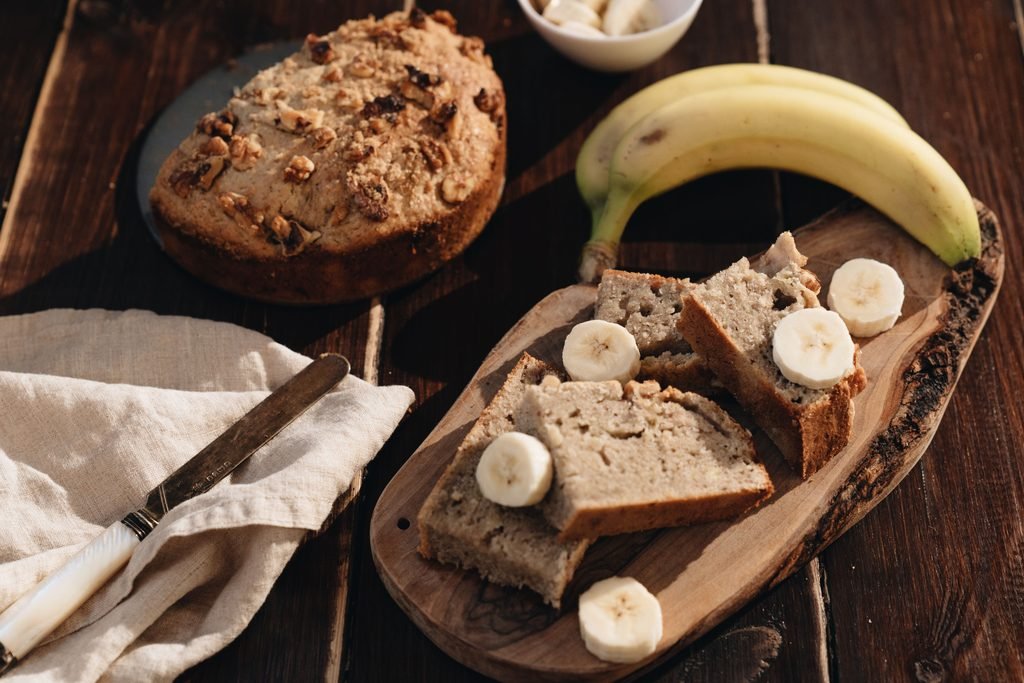
Where to try it: Explore market stalls, bakeries and small neighbourhood snack shops.
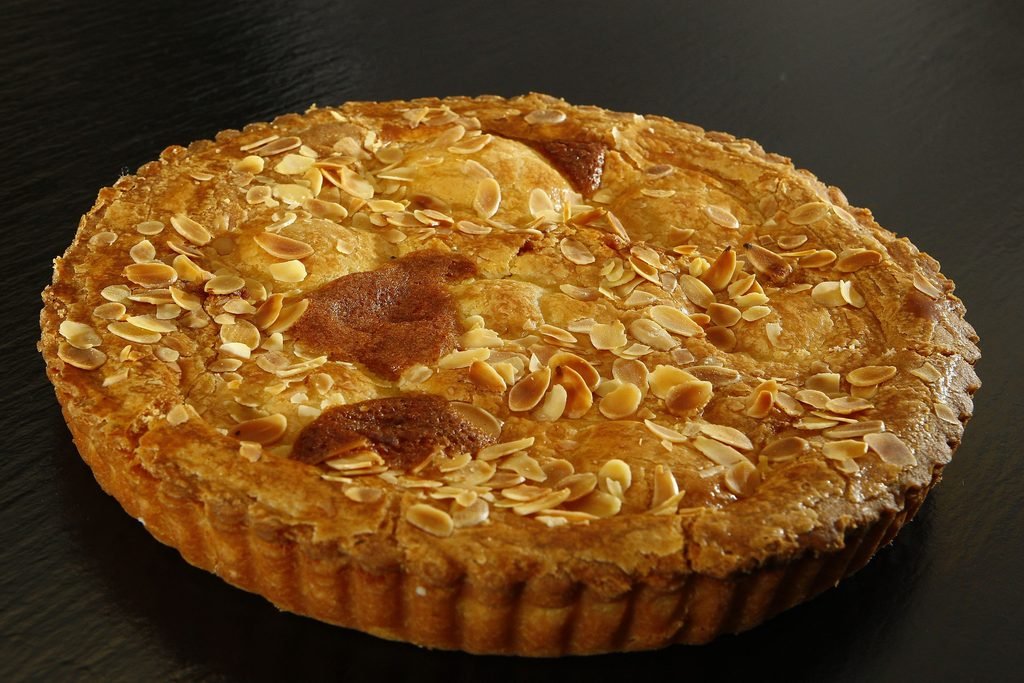
3.4 Gâteau Arouille
Gâteau arouille is made with taro, which is grated or prepared into a mixture, seasoned and fried. Depending on the recipe, it may be savoury or mildly sweet. It is worth trying alongside gâteau piment and samosas when sampling local snacks.
3.5 Alouda: A Refreshing Mauritian Drink
Alouda is a chilled milk-based drink typically flavoured with vanilla and containing basil seeds and jelly. It is sweet, cooling and particularly enjoyable in warm weather.
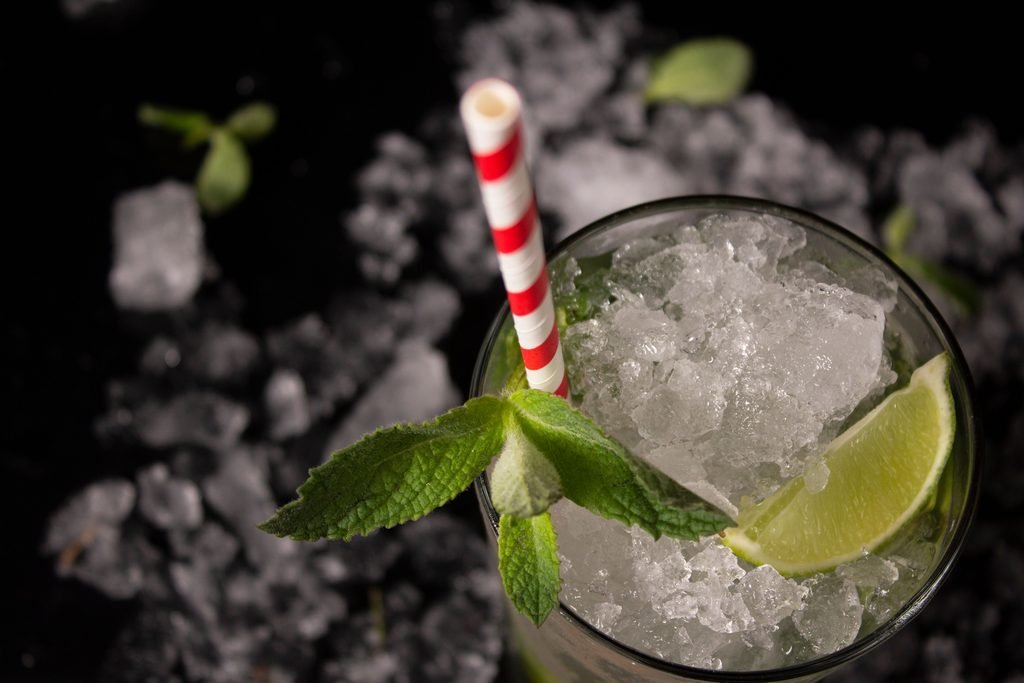
Where to try it: Port Louis Central Market is a popular place to look for alouda. Ask for a freshly prepared glass from a busy stall.
7. Tips for Enjoying Local Food in Mauritius
Start with markets. Port Louis Central Market and other local markets offer a good introduction to snacks, produce and everyday eating habits.
Follow the queues. A busy stall can be a useful sign that food is popular and being prepared regularly, though it is still worth checking cleanliness and food handling.
Carry cash. Small vendors may prefer cash, so keep some Mauritian rupees available.
Check spice levels. Chilli sauces can be very hot. Taste a little first or request the sauce on the side.
Ask what is fresh. Seafood, curries and market snacks may depend on the day’s supply.
Try small portions. Sharing several snacks lets you experience more dishes without committing to a large meal each time.
Confirm opening times. Markets and small food businesses may operate on particular days or close when food sells out.
Respect local customs. Ask before photographing vendors or their stalls, and be patient during busy periods.
8. Suggested One-Day Mauritian Food Itinerary
If you have one day to explore local cuisine, consider this flexible route:
| Time | Food experience | Suggested place |
|---|---|---|
| Morning | Dholl puri, gâteau piment and a hot drink | Port Louis Central Market |
| Late morning | Explore dumplings, noodles and Chinese-Mauritian snacks | Port Louis Chinatown |
| Lunch | Rougaille, curry, rice and local sides | Escale Créole, Moka, subject to opening hours |
| Afternoon | Alouda and a sweet pastry | Market stall or local bakery |
| Evening | Seafood or a Creole meal | La Rougaille Créole, Grand Baie, subject to opening hours |
Final Thought
Mauritius offers much more than beautiful beaches and luxury resorts. Its food tells the story of the island’s diverse communities through soft dholl puri, crisp gâteau piment, fragrant biryani, comforting noodles, tangy rougaille, seafood curries and sweet treats such as napolitaine and gâteau patate.
For first-time visitors, Port Louis Central Market is an excellent starting point, while Rose Hill, Quatre Bornes, Grand Baie, Moka and Flic en Flac offer different ways to explore local flavours. A meal at a family-run Creole restaurant or a guided walk with a local food-tour company can add useful cultural context to the experience.
The best approach is to stay curious, ask locals what they recommend, try dishes in small portions and leave room for something unfamiliar. By exploring markets, neighbourhood snack shops and traditional restaurants, you can experience Mauritius through its everyday food culture—not just its tourist attractions.
How Does Mauritius Ranking Work?
Our rankings are based on various factors, including ratings, customer reviews, reputation, service quality, relevance, and other relevant criteria. The factors considered may vary depending on the business category, ensuring that each category is evaluated using criteria relevant to its nature and services.
View Ranking MethodologyEnjoying Mauritius Ranking?
If you find our local guides and rankings helpful, add Mauritius Ranking as a Preferred Source on Google to see more of our latest content.
Found this article useful?
If this content helped you, you may support the developer by contributing the cost of a coffee.
Pay $5
