Mauritius is one of the world’s most religiously diverse nations, where people from different faiths have lived together peacefully for generations. The island is home to Hinduism, Christianity, Islam, Buddhism, and several other religious communities. This multicultural environment is reflected in Mauritius’ temples, churches, mosques, pagodas, festivals, and national holidays.
Religion plays an important role in Mauritian culture, education, family life, and community traditions. Visitors can experience colorful festivals such as Diwali, Eid-ul-Fitr, Christmas, Maha Shivaratri, Cavadee, Chinese Spring Festival, and many others throughout the year.
This guide ranks the Top Religions by Population in Mauritius based on their estimated share of the national population, historical presence, cultural influence, places of worship, and contribution to the country’s multicultural identity.
1. Hinduism
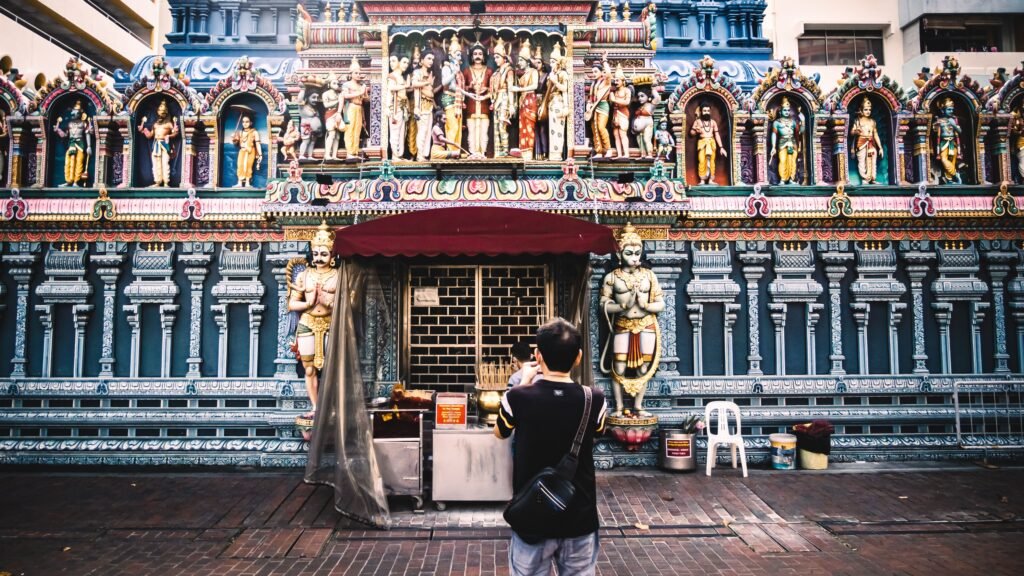
Hinduism is the largest religion by population in Mauritius and has significantly influenced the country’s culture, festivals, traditions, and national identity. Numerous temples across the island serve local communities and attract visitors during major religious celebrations.
Average Score: 99 / 100
Estimated Population: Approximately 48–50%
Representative Address: Grand Bassin (Ganga Talao), Savanne District, Mauritius
Location: Island-wide (Largest concentration in Central and Northern Mauritius)
Contact: Individual temples maintain separate contact information.
Website: https://www.hinduismtoday.com/
Religious Services
- Daily Worship (Puja)
- Temple Ceremonies
- Religious Festivals
- Spiritual Counseling
- Community Events
- Cultural Education
- Charity Activities
- Pilgrimages
Community Insights
- Largest religious community
- Celebrates Diwali and Maha Shivaratri
- Thousands of temples across Mauritius
- Strong cultural heritage
- Active charitable organizations
2. Christianity
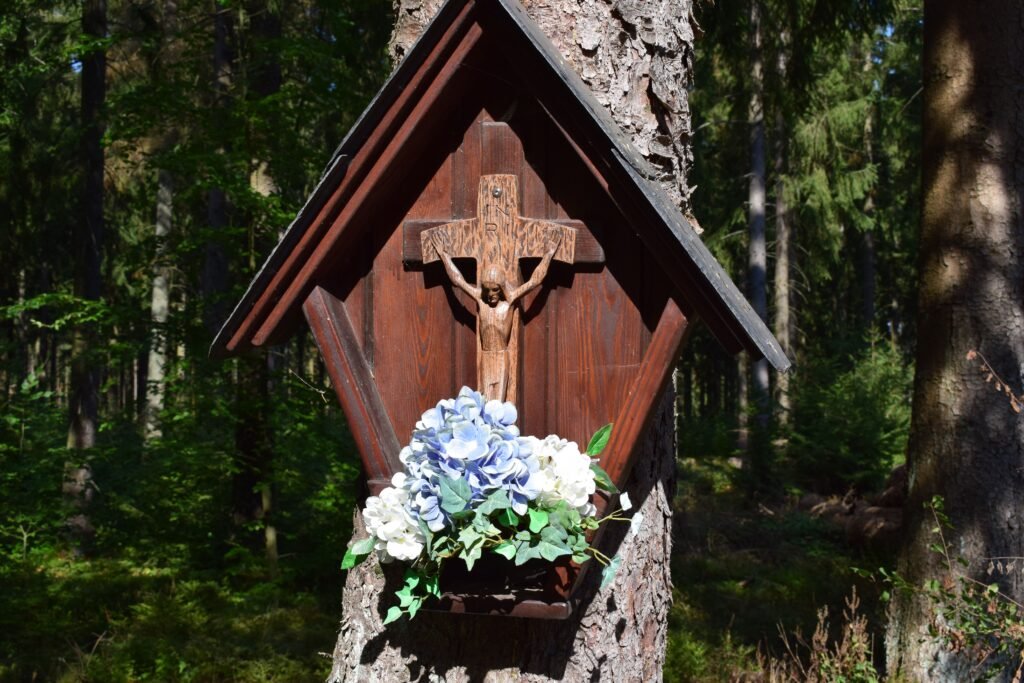
Christianity is the second-largest religion by population in Mauritius, with Roman Catholicism representing the largest Christian denomination alongside Anglican, Protestant, and other Christian communities.
Average Score: 98 / 100
Estimated Population: Approximately 31–33%
Representative Address: St. Louis Cathedral, Port Louis, Mauritius
Location: Island-wide
Contact: Individual churches maintain separate contact information.
Website: Catholic Diocese of Port Louis
Religious Services
- Sunday Worship
- Weddings
- Baptisms
- Funeral Services
- Youth Ministry
- Community Outreach
- Religious Education
- Charity Programs
Community Insights
- Strong educational contribution
- Numerous churches nationwide
- Christmas is a national holiday
- Active social service programs
- Historic places of worship
3. Islam
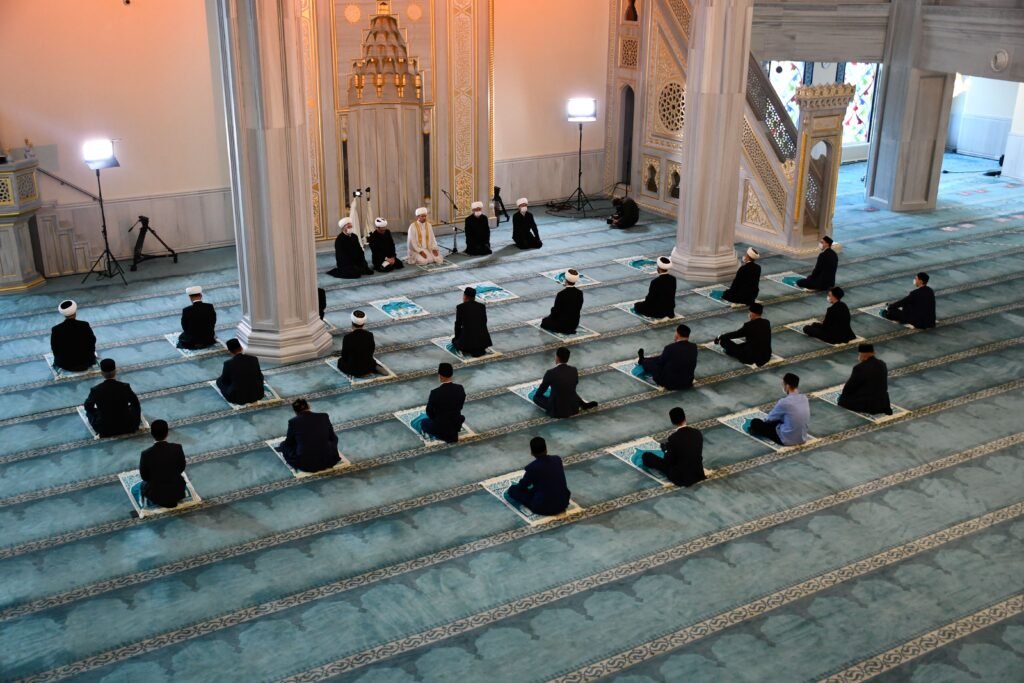
Islam is the third-largest religion by population in Mauritius, with Sunni Muslims forming the majority of the Muslim community. Mosques throughout the island provide religious, educational, and community services.
Average Score: 97 / 100
Estimated Population: Approximately 17–18%
Representative Address: Jummah Mosque, Queen Street, Port Louis, Mauritius
Location: Port Louis and Island-wide
Contact: Individual mosques maintain separate contact information.
Website: Official information available through local Islamic organizations.
Religious Services
- Daily Prayers
- Friday Congregational Prayer
- Ramadan Programs
- Quran Classes
- Nikah (Marriage)
- Community Welfare
- Charity Activities
- Islamic Education
Community Insights
- Historic Jummah Mosque
- Strong business community
- Eid-ul-Fitr celebrated nationally
- Numerous Islamic schools
- Active charitable organizations
4. Buddhism
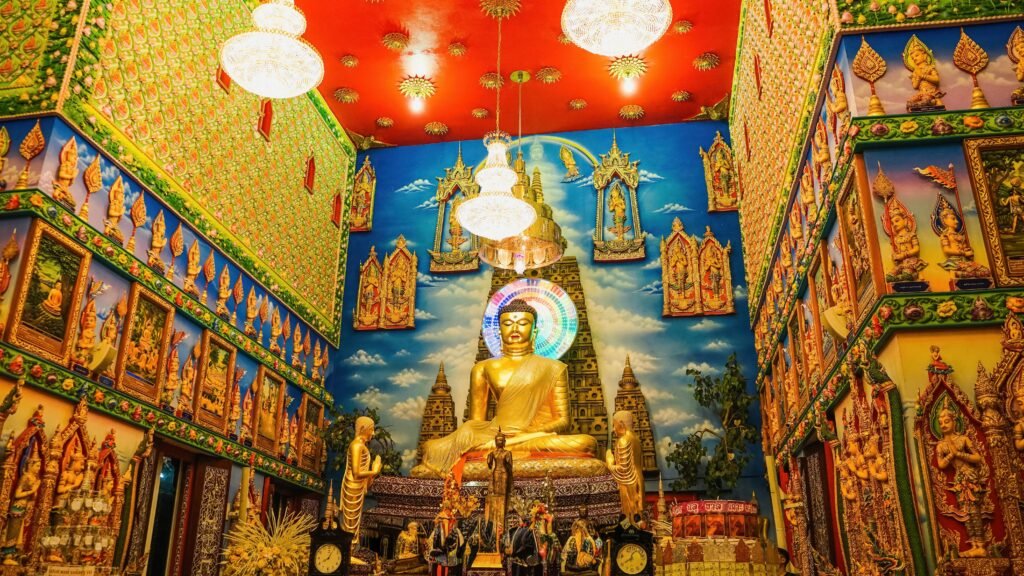
Buddhism represents an important religion by population in Mauritius, primarily practiced by members of the Sino-Mauritian community. Buddhist temples preserve cultural traditions while promoting peace and spiritual well-being.
Average Score: 94 / 100
Estimated Population: Approximately 1–2%
Representative Address: Kwan Tee Pagoda, Les Salines, Port Louis, Mauritius
Location: Port Louis
Contact: Individual temples maintain separate contact information.
Website: Local temple.
Religious Services
- Meditation
- Prayer Ceremonies
- Cultural Festivals
- Temple Worship
- Community Gatherings
- Religious Education
Community Insights
- Home to the oldest Chinese pagoda in the Southern Hemisphere
- Strong Chinese cultural heritage
- Peaceful worship environment
- Traditional festivals observed
5. Other Religions & No Religion
This category includes other religions by population in Mauritius, such as Baháʼí, Sikhism, Judaism, and individuals who identify with no religion. Together, they contribute to the country’s diverse and inclusive social fabric.
Average Score: 90 / 100
Estimated Population: Approximately 2–3%
Representative Address: Various community centers across Mauritius
Location: Island-wide
Contact: Individual organizations maintain separate contact information.
Website: Varies by organization.
Religious Services
- Community Worship
- Cultural Events
- Educational Programs
- Charity Activities
- Religious Gatherings
Community Insights
- Diverse faith communities
- Religious freedom protected by law
- Inclusive multicultural environment
- Growing interfaith dialogue
Summary Comparison Table
| Religion | Estimated Population | Score | Major Places of Worship | National Festivals | Island-wide Presence |
|---|---|---|---|---|---|
| Hinduism | 48–50% | 99/100 | Temples | ✅ | ✅ |
| Christianity | 31–33% | 98/100 | Churches | ✅ | ✅ |
| Islam | 17–18% | 97/100 | Mosques | ✅ | ✅ |
| Buddhism | 1–2% | 94/100 | Pagodas | ✅ | Limited |
| Other Religions & No Religion | 2–3% | 90/100 | Various | Limited | ✅ |
Ranking Methodology
This ranking is based on the following editorial criteria:
| Evaluation Criteria | Weight |
|---|---|
| Population Size | 40% |
| Historical Presence | 20% |
| Cultural Influence | 15% |
| Places of Worship | 10% |
| Community Activities | 10% |
| National Significance | 5% |
Why Mauritius Is Known for Religious Diversity
Mauritius is widely recognized as one of the world’s most successful examples of religious diversity and peaceful coexistence. Despite being a relatively small island nation in the Indian Ocean, it is home to a rich mix of religious communities that have lived together for generations while preserving their unique beliefs, customs, languages, and cultural traditions. This remarkable harmony has become one of the defining characteristics of Mauritian society and contributes significantly to the country’s identity, tourism appeal, and social stability.
The foundation of Mauritius’ religious diversity lies in its history of migration. During different periods of colonization, the island welcomed settlers, traders, laborers, and immigrants from Europe, India, Africa, China, and other parts of Asia. Each community brought its own religion, traditions, places of worship, and cultural practices, gradually creating the multicultural society that exists today.
Today, Hinduism, Christianity, Islam, Buddhism, and several smaller faith communities coexist peacefully across the island. Temples, churches, mosques, pagodas, and other places of worship can often be found within the same towns and neighborhoods, reflecting the spirit of mutual respect that characterizes everyday life in Mauritius.
One of the country’s greatest strengths is its commitment to religious freedom. The Constitution of Mauritius guarantees every individual the right to practice, change, or express their religion freely without discrimination. This legal protection has helped create an inclusive society where people of all faiths enjoy equal rights and opportunities while contributing to the nation’s development.
Religious festivals further highlight Mauritius’ diversity. National celebrations such as Diwali, Maha Shivaratri, Christmas, Eid-ul-Fitr, Chinese Spring Festival, Cavadee, Ganesh Chaturthi, and All Saints’ Day are observed with enthusiasm across the island. While each celebration has deep religious significance for its respective community, many Mauritians from different backgrounds also participate in these festivities, demonstrating the country’s strong culture of tolerance and unity.
Religious institutions also play an important role beyond spiritual worship. Many temples, churches, mosques, and community organizations operate schools, charitable foundations, healthcare initiatives, youth development programs, and social welfare projects that benefit people regardless of their religious background. These contributions strengthen community bonds while supporting education, healthcare, and humanitarian efforts throughout the country.
Mauritius’ multicultural environment is also reflected in its architecture, cuisine, music, languages, and daily life. Visitors can experience colorful religious processions, traditional ceremonies, sacred pilgrimage sites, and centuries-old places of worship while exploring the island. Iconic landmarks such as Grand Bassin (Ganga Talao), Jummah Mosque, St. Louis Cathedral, and Kwan Tee Pagoda symbolize the island’s rich spiritual heritage and attract both worshippers and tourists from around the world.
The education system also encourages respect for cultural and religious diversity by promoting understanding, tolerance, and national unity from an early age. As a result, Mauritius has built a reputation as one of the most peaceful multicultural democracies in Africa and the Indian Ocean region.
Religious Freedom in Mauritius
Religious Freedom in Mauritius
Religious freedom is one of the defining characteristics of Mauritius and a key reason why the island is often recognized as one of the world’s most peaceful multicultural societies. People of different faiths—including Hindus, Christians, Muslims, Buddhists, and followers of other religions—live side by side with mutual respect and participate in a culture that values diversity, tolerance, and inclusion. This spirit of harmony has helped Mauritius build a stable society where religion contributes positively to national identity rather than division.
The Constitution of Mauritius guarantees every individual the right to freedom of thought, conscience, and religion. Residents are free to practice their beliefs, attend places of worship, celebrate religious festivals, and educate their families according to their faith without discrimination. These constitutional protections provide an important foundation for peaceful coexistence and reinforce the country’s commitment to human rights and equality before the law.
One of the most visible examples of religious freedom in Mauritius is the presence of a wide variety of places of worship across the island. Hindu temples, Christian churches, Muslim mosques, Buddhist pagodas, and other religious centers can often be found within the same communities. These institutions not only serve as places of worship but also act as community hubs that organize educational programs, charitable activities, youth initiatives, cultural events, and social outreach projects.
Religious festivals are celebrated openly throughout Mauritius and are widely respected by people from all backgrounds. Major celebrations such as Diwali, Maha Shivaratri, Eid-ul-Fitr, Christmas, Chinese Spring Festival, Cavadee, Ganesh Chaturthi, and All Saints’ Day form an important part of the national calendar. Many of these occasions are recognized as public holidays, allowing families and communities to celebrate together while giving visitors the opportunity to experience the island’s rich cultural traditions.
Major Religious Festivals Celebrated in Mauritius
Mauritius is renowned for its remarkable cultural and religious diversity, and its annual calendar is filled with vibrant festivals celebrated by different faith communities. These festivals are more than religious observances—they are important cultural events that bring families, neighbors, and communities together regardless of their beliefs. Many religious celebrations are recognized as public holidays, reflecting the country’s commitment to religious freedom, inclusivity, and mutual respect.
For visitors, these festivals offer a unique opportunity to experience Mauritius beyond its beaches and resorts. Colorful processions, beautifully decorated places of worship, traditional music, cultural performances, and festive cuisine provide memorable insights into the island’s multicultural heritage.
Diwali (Festival of Lights)
Diwali is one of the most widely celebrated festivals in Mauritius and holds great significance for the Hindu community. Symbolizing the victory of light over darkness and good over evil, homes and businesses are decorated with oil lamps (diyas), candles, colorful rangoli patterns, and decorative lights.
Families prepare traditional sweets and snacks, exchange gifts, perform Lakshmi Puja for prosperity, and welcome relatives and friends into their homes. The festive atmosphere extends across the island, with many non-Hindu families also participating in celebrations by exchanging sweets and greetings.
Highlights
- Decorative lights and diyas across neighborhoods
- Lakshmi Puja ceremonies
- Traditional Indian sweets
- Family gatherings and gift exchanges
- National public holiday
Maha Shivaratri
Maha Shivaratri is considered the largest Hindu pilgrimage in Mauritius. Thousands of devotees travel on foot from different parts of the island to Grand Bassin (Ganga Talao), a sacred crater lake believed to be spiritually connected to the River Ganges in India.
Pilgrims carry beautifully decorated wooden structures known as Kanwars, offer prayers at temples surrounding the lake, and participate in religious ceremonies dedicated to Lord Shiva. The pilgrimage showcases deep devotion and is one of Mauritius’ most iconic spiritual events.
Highlights
- Pilgrimage to Grand Bassin
- Kanwar processions
- Temple prayers
- Community volunteer services
- Spiritual gatherings
Eid-ul-Fitr
Eid-ul-Fitr marks the end of the holy month of Ramadan for the Muslim community. After a month of fasting, prayer, and charitable giving, families gather for special prayers at mosques before celebrating together with festive meals.
Traditional dishes, desserts, and sweets are shared with relatives, friends, and neighbors. Acts of generosity and charity remain central to the celebration, emphasizing compassion and community support.
Highlights
- Special Eid prayers
- Family feasts
- Charity and community support
- Traditional Muslim cuisine
- Exchange of greetings and gifts
Christmas
Christmas is one of the most widely celebrated Christian festivals in Mauritius. Churches hold midnight Mass and Christmas Day services, while homes, shopping centers, hotels, and public spaces are decorated with Christmas trees, lights, and festive displays.
Families gather to exchange gifts, enjoy traditional meals, and spend time together. Because Mauritius welcomes many international visitors during the holiday season, Christmas celebrations also contribute to the island’s lively tourism atmosphere.
Highlights
- Midnight church services
- Christmas decorations
- Family celebrations
- Gift exchanges
- Public holiday
Chinese Spring Festival (Chinese New Year)
The Chinese Spring Festival celebrates the beginning of the lunar new year and is an important occasion for the Sino-Mauritian community. Homes are decorated with red lanterns and banners symbolizing prosperity, happiness, and good fortune.
Lion dances, dragon performances, fireworks, and traditional Chinese cuisine create a festive atmosphere, particularly in Port Louis’ Chinatown. Families gather for reunion dinners and exchange red envelopes containing lucky money.
Highlights
- Lion and dragon dances
- Fireworks
- Traditional Chinese cuisine
- Family reunion dinners
- Cultural performances
Cavadee
Cavadee is an important Tamil Hindu festival dedicated to Lord Murugan. Devotees prepare through fasting, meditation, and prayer before participating in colorful processions to temples.
Some participants carry elaborately decorated wooden arches known as Kavadis, while others undertake acts of devotion that symbolize faith, discipline, and spiritual purification. The festival is known for its vibrant ceremonies and cultural significance.
Highlights
- Temple processions
- Kavadi ceremonies
- Traditional Tamil music
- Spiritual devotion
- Community celebrations
Ganesh Chaturthi
Ganesh Chaturthi celebrates the birth of Lord Ganesha, the Hindu deity associated with wisdom, prosperity, and success. Devotees install decorated idols in homes and temples, perform daily prayers, and conclude the festival with ceremonial immersion of the idols in rivers or the sea.
The celebration emphasizes new beginnings, learning, and overcoming obstacles.
Highlights
- Ganesha worship
- Cultural processions
- Community prayers
- Idol immersion ceremonies
- Family celebrations
All Saints’ Day
Observed by the Christian community, All Saints’ Day honors saints and remembers departed family members. Many families visit cemeteries to clean and decorate graves with flowers and candles before attending church services.
The day reflects remembrance, gratitude, and respect for loved ones who have passed away.
Highlights
- Church services
- Cemetery visits
- Floral tributes
- Family remembrance
- Quiet reflection
Vesak (Buddha Day)
The Buddhist community celebrates Vesak to commemorate the birth, enlightenment, and passing of Gautama Buddha. Temples are decorated with lanterns and flowers, while devotees participate in meditation, prayer, acts of kindness, and charitable activities.
The festival promotes peace, compassion, wisdom, and mindfulness.
Highlights
- Temple ceremonies
- Meditation sessions
- Lantern decorations
- Charity initiatives
- Peaceful spiritual observances
How Religious Festivals Strengthen Mauritian Society
Religious festivals play an important role in strengthening national unity and preserving Mauritius’ multicultural identity. People from different backgrounds often visit one another during major celebrations, exchange greetings, and participate in cultural activities regardless of their own faith. Schools, businesses, and government institutions acknowledge many of these important occasions, creating an atmosphere of mutual understanding and respect.
These celebrations also contribute significantly to tourism by attracting visitors interested in experiencing Mauritius’ cultural heritage. Traditional music, dance, local cuisine, religious architecture, handicrafts, and community celebrations provide authentic cultural experiences that enrich every visit to the island.
The peaceful coexistence of multiple religious festivals throughout the year demonstrates why Mauritius is widely recognized as one of the world’s leading examples of religious harmony and multicultural cooperation. Together, these celebrations preserve centuries-old traditions while promoting friendship, inclusion, and respect among all communities.
Final Thoughts
Mauritius is widely recognized as one of the world’s most peaceful multicultural societies, where people of different religions live together with mutual respect and harmony. Hinduism, Christianity, Islam, Buddhism, and other faith communities have all played an important role in shaping the island’s history, culture, architecture, festivals, and national identity. This religious diversity continues to be one of Mauritius’ greatest strengths, making the country a welcoming destination for both residents and visitors from around the world.
How Does Mauritius Ranking Work?
Our rankings are based on various factors, including ratings, customer reviews, reputation, service quality, relevance, and other relevant criteria. The factors considered may vary depending on the business category, ensuring that each category is evaluated using criteria relevant to its nature and services.
View Ranking MethodologyEnjoying Mauritius Ranking?
If you find our local guides and rankings helpful, add Mauritius Ranking as a Preferred Source on Google to see more of our latest content.
Found this article useful?
If this content helped you, you may support the developer by contributing the cost of a coffee.
Pay $5
