
Author: Mauritius Ranking
Author Bio: Mauritius Ranking covers current affairs, agriculture, food safety, environmental protection, public policy and major national developments in Mauritius.
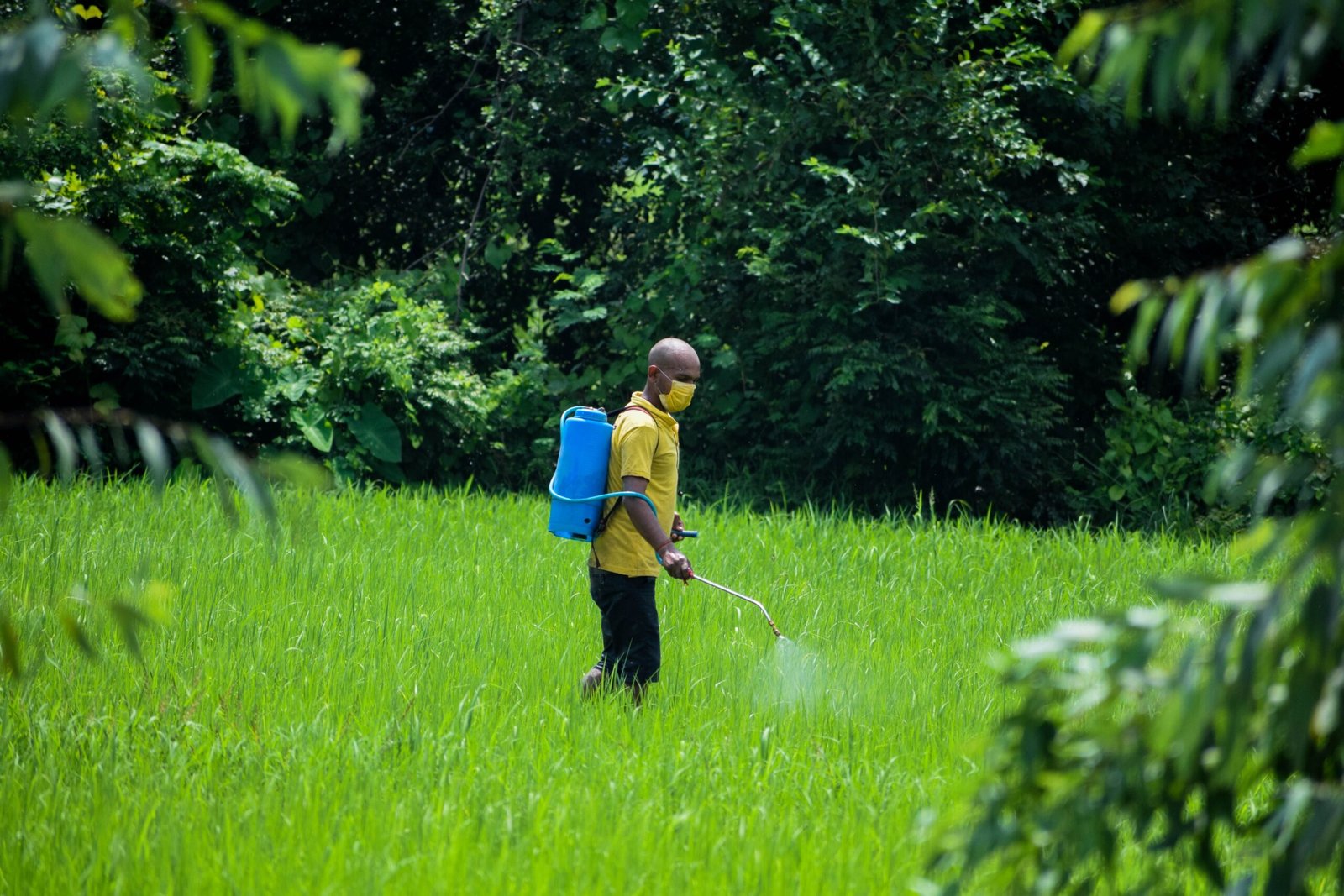
Mauritius is moving towards stricter pesticide controls as the government prepares four new regulations aimed at improving agricultural practices, strengthening food safety and protecting public health. The proposed measures will regulate pesticide residues in agricultural produce, establish clearer procedures for sampling and testing, improve the handling and disposal of pesticide containers, and introduce training and certification requirements for pesticide users.
The regulations are being developed under the Use of Pesticides Act 2018. According to reporting by Defi Media on 4 October, the draft regulations were submitted to the State Law Office on 2 October 2026 for finalisation, with Agro-Industry Minister Dr Arvin Boolell seeking to accelerate the process. The government is aiming to promulgate the regulations by December 2026.
Government Moves to Strengthen Pesticide Controls
The four proposed regulations are intended to address gaps in the existing pesticide-management framework and strengthen oversight of pesticide use across Mauritius.
The Ministry of Agro-Industry, Food Security, Blue Economy and Fisheries has been working with the United Nations Development Programme (UNDP) and the Attorney General’s Office to prepare the new rules. A validation workshop held on 6 May 2026 brought together stakeholders from the public and private sectors, including growers, importers, regulatory institutions and technical experts.
The proposed framework is intended to improve the monitoring of pesticide use from application in agricultural fields to the testing of harvested produce and the disposal of pesticide-related waste.
Four New Pesticide Regulations Explained
The proposed regulations cover four key areas of pesticide management. Each is designed to address a specific part of the agricultural supply chain and reduce the risks associated with inappropriate pesticide use.
1. Maximum Residue Limits for Agricultural Produce
The Use of Pesticides (Pesticides Maximum Residue Limits for Local and Imported Produce) Regulations 2026 will establish requirements for pesticide residue levels in locally grown and imported agricultural products.
Maximum residue limits (MRLs) define the permitted concentration of pesticide residues in food. These standards help authorities assess whether produce complies with food-safety requirements and identify cases requiring further investigation.
2. Sampling of Local and Imported Produce
The Use of Pesticides (Sampling of Local and Imported Produce for Pesticide Residue Testing) Regulations 2026 will establish procedures for collecting agricultural samples for laboratory analysis.
Standardised sampling procedures are important to ensure that test results are reliable and representative. The proposed rules are intended to strengthen the monitoring process and support consistent enforcement.
3. Pesticide Mixing, Application and Container Disposal
The Use of Pesticides (Mixing and Application of Pesticides in Agricultural and Non-Agricultural Areas and Disposal of Empty Pesticide Containers) Regulations 2026 will address safe pesticide preparation, application and waste management.
These measures are intended to reduce the risks of accidental exposure, environmental contamination and unsafe disposal of empty pesticide containers. They will also provide clearer requirements for pesticide use in agricultural and non-agricultural settings.
4. Training and Certification of Pesticide Users
The Use of Pesticides (Training and Certification of Pesticides Users) Regulations 2026 will introduce a framework for training and certifying people who use pesticides.
The proposed requirements aim to improve knowledge of safe handling, correct application, protective measures and responsible pesticide management. Training can help reduce misuse and protect both pesticide users and the wider community.
The four draft regulations are listed in the Ministry of Agro-Industry’s 2026 newsletter and parliamentary information.
Regulations Sent to the State Law Office
The four draft regulations have reached an important stage in the legislative process. Defi Media reported that the texts were transmitted to the State Law Office on Friday, 2 October 2026, for finalisation.
Minister Arvin Boolell is seeking to accelerate the process, with official promulgation targeted by December 2026. However, the regulations remain in the finalisation process and should not yet be treated as fully implemented requirements.
Once the legal process is completed, the regulations are expected to provide more detailed requirements under the existing Use of Pesticides Act 2018.
Why Stronger Pesticide Regulations Are Needed
Pesticides play an important role in controlling pests and protecting crops, but improper use can create risks for consumers, agricultural workers and the environment.
Residues may remain on harvested produce when pesticides are used incorrectly, applied in unsuitable quantities or used without observing required safety intervals. Inadequate storage, handling and disposal can also expose people and ecosystems to harmful chemicals.
The Ministry of Agro-Industry has highlighted pesticide residue monitoring as an important part of food safety. Its May 2026 newsletter reported that 86 improvement notices were issued in 2025 for samples that exceeded maximum residue limits or contained non-recommended pesticides.
The proposed regulations are intended to strengthen the standards and procedures that help authorities identify and address such cases.
Government and UNDP Collaboration
The development of the new regulations forms part of the Implementing Sustainable Low and Non-Chemical Development in Small Island Developing States (ISLANDS) project, supported by the Global Environment Facility and implemented with the UNDP.
The initiative aims to improve the management of chemicals and pesticide-related waste while encouraging safer and more sustainable agricultural practices.
A validation workshop was held on 6 May 2026 at Le Labourdonnais Waterfront Hotel in Port Louis. It brought together 75 stakeholders to review and provide input on the draft regulations, reflecting the importance of consultation before the rules are finalised.
Existing Pesticide Monitoring and Training
Mauritius already has a pesticide-management framework under the Use of Pesticides Act 2018, overseen by the Pesticides Regulatory Office.
In parliamentary information published in 2026, the Ministry reported that regular inspections and monitoring are carried out to promote compliance. It also highlighted the role of the Food and Agricultural Research and Extension Institute (FAREI), which has been delivering training and awareness programmes on safe pesticide use.
More than 6,400 farmers have benefited from training programmes since 2002, while over 1,700 planters have received additional structured training since the 2018 Act was introduced. The government has also reported extensive field advisory visits to guide planters on proper pesticide use and pest diagnosis.
The new regulations are expected to build on these existing efforts by formalising requirements in areas such as residue testing, safe application and user certification.
Impact on Farmers and Agricultural Businesses
If adopted as proposed, the new regulations could have practical implications for farmers, pesticide users, importers, distributors and other agricultural businesses.
Farmers may need to pay closer attention to approved pesticide use, application methods, residue limits and training requirements. Businesses involved in the import and distribution of agricultural products may also need to ensure that their operations comply with applicable residue standards and testing procedures.
For agricultural workers, improved training and safer handling practices could help reduce the risk of accidental exposure. Clearer requirements for empty pesticide containers may also support better waste management and environmental protection.
The precise obligations, compliance deadlines and enforcement procedures will depend on the final wording of the regulations once they are officially promulgated.
Protecting Consumers and Food Safety
For consumers, pesticide residue controls are important because they provide a system for checking whether agricultural products meet established safety standards.
Monitoring both locally produced and imported produce can help authorities identify non-compliant products and take appropriate follow-up action. Standardised sampling and testing procedures can also strengthen confidence in the reliability of food-safety monitoring.
The Ministry’s existing residue-monitoring work includes follow-up measures such as additional sampling, farmer sensitisation and enforcement action when non-compliance is identified. The proposed regulations are intended to reinforce this framework.
Environmental Protection and Responsible Waste Disposal
Pesticide management also has an environmental dimension. Incorrect mixing, application or disposal can contribute to contamination of soil and water, while unsafe handling of empty containers may expose people and animals to residual chemicals.
Mauritius has already undertaken awareness activities promoting responsible pesticide use and the safe management of empty containers, including guidance on triple-rinsing containers before placing them in designated collection bins.
The proposed regulation on mixing, application and disposal is expected to provide a stronger legal framework for these practices, supporting efforts to reduce environmental risks.
What Happens Next?
The immediate next step is the finalisation of the draft regulations through the State Law Office and the completion of the required legal procedures.
The government has indicated a target of December 2026 for promulgation. Until the regulations are formally adopted and brought into force, farmers and pesticide users should continue to follow the existing Use of Pesticides Act 2018, applicable codes of practice and current official guidance.
Once the new regulations are published, further guidance will be important to help agricultural stakeholders understand their obligations, including any new training, certification, sampling and compliance requirements.
Final Thought
The introduction of four new pesticide regulations marks an important step in Mauritius’ efforts to strengthen agricultural oversight, improve food safety and reduce environmental risks. By addressing pesticide residue limits, sampling procedures, safe application and user certification, the proposed framework seeks to improve accountability throughout the agricultural sector.
The regulations are still undergoing finalisation, with promulgation targeted by December 2026. Their effectiveness will depend on clear implementation, accessible training, regular monitoring and cooperation between government authorities, farmers, importers and other stakeholders. A stronger pesticide-management system could help protect consumers while supporting safer and more sustainable agricultural practices in Mauritius.
How Does Mauritius Ranking Work?
Our rankings are based on various factors, including ratings, customer reviews, reputation, service quality, relevance, and other relevant criteria. The factors considered may vary depending on the business category, ensuring that each category is evaluated using criteria relevant to its nature and services.
View Ranking MethodologyEnjoying Mauritius Ranking?
If you find our local guides and rankings helpful, add Mauritius Ranking as a Preferred Source on Google to see more of our latest content.
Found this article useful?
If this content helped you, you may support the developer by contributing the cost of a coffee.
Pay $5