
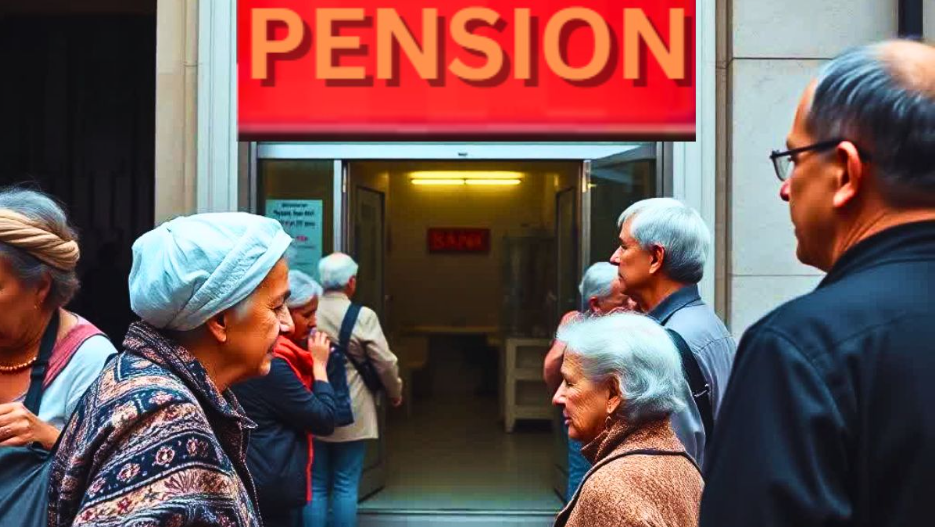
A major protest movement is gathering momentum in Mauritius as trade unions, social activists, pension advocates, and opposition supporters prepare for a large-scale demonstration scheduled for 11 July demanding the restoration of the universal pension age at 60.
The planned protest comes amid growing national anger over controversial pension reforms that gradually increase eligibility for the Basic Retirement Pension (BRP) from 60 to 65 years.
The issue has rapidly evolved into one of the most politically explosive debates in Mauritius, sparking:
- Public demonstrations
- Trade union mobilization
- Political confrontation
- Legal challenges
- Widespread social debate
The upcoming 11 July protest is expected to draw:
- Workers
- Pensioners
- Civil society groups
- Labor unions
- Opposition supporters
- Concerned citizens
who argue that pension eligibility at age 60 is a fundamental social right that must be preserved.
Pension Reform Triggers National Backlash
The controversy stems from reforms introduced through changes to Mauritius’ National Pensions framework.
Under the reform:
- The universal pension age is being gradually increased from 60 to 65
- The transition is phased over a ten-year period
- Full implementation is expected by 2034
The Mauritian government argues the reforms are necessary because of:
- Rising pension costs
- Longer life expectancy
- Population ageing
- Fiscal sustainability concerns
- Increasing pressure on public finances
However, critics insist the measures unfairly burden ordinary Mauritians, especially lower-income workers and physically demanding labor sectors.
Protest Scheduled for 11 July
According to reports, trade unions and activists plan to organize a major street protest in the capital on 11 July to pressure authorities into reversing the reforms.
The protest movement is demanding:
- Restoration of universal pension eligibility at age 60
- Withdrawal of the retirement age increase
- Protection of universal pension rights
- Greater public consultation
Organizers reportedly argue that the reforms undermine one of Mauritius’ most important social welfare protections.
The demonstration is expected to become one of the largest social mobilizations linked to pension reform since the policy changes were announced.
Universal Pension Seen as Historic Social Right
Mauritius has long been internationally recognized for maintaining a universal pension system providing benefits to eligible citizens aged 60 and above.
The Basic Retirement Pension historically served as:
- A social safety net
- A universal welfare guarantee
- A major poverty reduction tool
- A source of retirement dignity
The pension system became deeply embedded within Mauritian social and political culture over decades.
Many citizens therefore view any increase in pension age as:
- A reduction of acquired rights
- A weakening of social protection
- A threat to elderly welfare
Trade Unions Leading Opposition
Trade unions have emerged as some of the strongest opponents of the pension reforms.
Union leaders argue the retirement age increase disproportionately affects:
- Manual laborers
- Construction workers
- Agricultural employees
- Tourism workers
- Factory employees
- Low-income earners
Critics claim many workers physically cannot continue employment until age 65 due to:
- Health limitations
- Occupational strain
- Limited job security
The protest movement therefore frames the issue not only as an economic debate but also as a matter of:
- Social justice
- Worker dignity
- Human welfare
Government Defends Sustainability Measures
The Mauritian government continues defending the reforms as economically necessary.
Officials argue that demographic realities are creating growing financial pressure on the pension system due to:
- Longer lifespans
- Lower birth rates
- Increasing numbers of retirees
- A shrinking taxpayer base
Authorities insist reforms are needed to preserve the long-term viability of social welfare programs.
Government officials also note that many countries worldwide have:
- Increased retirement ages
- Adjusted pension eligibility
- Reformed welfare systems
in response to similar demographic and fiscal pressures.
Income Support Scheme Introduced
To reduce public backlash, authorities introduced an Income Support scheme targeting people affected by delayed pension eligibility.
Eligible individuals aged 60 and above but below the new pension age may receive monthly financial assistance under certain income conditions.
According to official information:
- Eligible beneficiaries may receive approximately Rs 10,370 monthly support
- Income thresholds apply
- Means-testing conditions determine eligibility
However, critics argue the support mechanism:
- Does not fully replace universal pension benefits
- Creates inequality through means-testing
- Weakens universal social protection principles
Opposition Parties Intensify Criticism
Opposition politicians have increasingly aligned themselves with public anger surrounding the reforms.
Critics accuse the government of:
- Breaking public trust
- Weakening welfare protections
- Targeting vulnerable citizens
- Ignoring working-class realities
Political leaders opposing the reform argue that:
- Pension at 60 was a longstanding national commitment
- Many Mauritians planned retirement based on existing rules
- Sudden policy shifts create financial uncertainty
The pension issue has therefore become a major political battleground.
Growing Public Anxiety Over Retirement Security
The debate has created significant anxiety among citizens approaching retirement age.
Many Mauritians now worry about:
- Financial insecurity
- Delayed retirement income
- Rising living costs
- Healthcare expenses
- Reduced quality of life after retirement
The issue resonates strongly because pensions affect:
- Individual retirement planning
- Household finances
- Family support structures
Public concern has intensified amid broader economic pressures linked to:
- Inflation
- Food prices
- Housing costs
- Utility expenses
Economists Divided on Reform
Economic experts remain divided regarding the reforms.
Supporters argue:
- Pension systems must adapt to demographic change
- Fiscal sustainability is essential
- Delayed retirement reflects increased life expectancy
Critics counter that:
- The reforms may increase elderly hardship
- Alternative funding strategies should be explored
- Social protections must remain strong
Some economists argue Mauritius should instead focus on:
- Economic growth
- Tax reform
- Reducing wasteful spending
- Increasing productivity
before weakening universal pension guarantees.
Mauritius’ Pension System Internationally Recognized
Mauritius’ universal pension system has often been cited internationally as a successful social protection model.
The system historically contributed to:
- Lower elderly poverty
- Improved social stability
- Stronger retirement security
Researchers have previously highlighted Mauritius as an example of effective universal pension implementation within developing economies.
The proposed increase in pension age therefore represents a major structural shift within the country’s welfare framework.
Legal Challenges Emerging
The pension reform has also triggered legal and constitutional debate.
Critics and advocacy groups have reportedly initiated legal challenges questioning:
- Constitutional validity
- Social rights implications
- Legislative fairness
Some opponents argue the reforms undermine legitimate public expectations established over decades.
Legal proceedings may therefore continue influencing the national debate in coming months.
Protest Could Become Turning Point
Political analysts believe the 11 July demonstration could become a major turning point in the pension controversy.
Large public participation may:
- Increase political pressure on government
- Strengthen union influence
- Intensify public debate
- Shape future policy decisions
Observers expect authorities to closely monitor:
- Protest turnout
- Public sentiment
- Political reactions
The demonstration may significantly influence the broader national conversation regarding:
- Welfare policy
- Economic reform
- Social justice
Social Stability Concerns Increasing
Governments worldwide often face strong public reaction when altering pension systems because retirement benefits are closely tied to:
- Economic security
- Public trust
- Social stability
In Mauritius, pensions remain particularly sensitive because of the country’s long tradition of universal social welfare protections.
Authorities may therefore face increasing pressure to balance:
- Fiscal sustainability
- Social protection
- Political stability
Broader Debate About Welfare State Emerging
The pension controversy has evolved into a wider national debate regarding the future of Mauritius’ welfare state.
Key questions now include:
- How much social protection should remain universal?
- How should ageing populations be funded?
- What responsibilities should governments maintain toward retirees?
The issue reflects broader global tensions between:
- Fiscal discipline
- Welfare obligations
- Economic modernization
- Social equity
Protest Organizers Demand Dialogue
Union leaders and protest organizers continue calling for:
- Greater consultation
- Public dialogue
- Policy reconsideration
Critics argue reforms affecting millions of citizens should involve:
- Broader consensus
- Transparent discussion
- Social negotiation
Many protesters insist they are not rejecting reform entirely but opposing what they view as unfair implementation.
Conclusion
The planned 11 July protest demanding the return of the universal pension age at 60 marks a critical moment in Mauritius’ ongoing pension reform crisis. As trade unions, activists, opposition figures, and ordinary citizens mobilize against the retirement age increase, the issue has become one of the country’s most emotionally and politically charged national debates.
While the government argues the reforms are necessary to preserve long-term fiscal sustainability amid demographic change, opponents insist the measures threaten social justice, retirement dignity, and long-standing welfare protections that generations of Mauritians relied upon.
The outcome of the protest movement and the broader pension debate may significantly shape the future of social policy, political stability, and public trust in Mauritius for years to come.
How Does Mauritius Ranking Work?
Our rankings are based on various factors, including ratings, customer reviews, reputation, service quality, relevance, and other relevant criteria. The factors considered may vary depending on the business category, ensuring that each category is evaluated using criteria relevant to its nature and services.
View Ranking MethodologyEnjoying Mauritius Ranking?
If you find our local guides and rankings helpful, add Mauritius Ranking as a Preferred Source on Google to see more of our latest content.
Found this article useful?
If this content helped you, you may support the developer by contributing the cost of a coffee.
Pay $5
