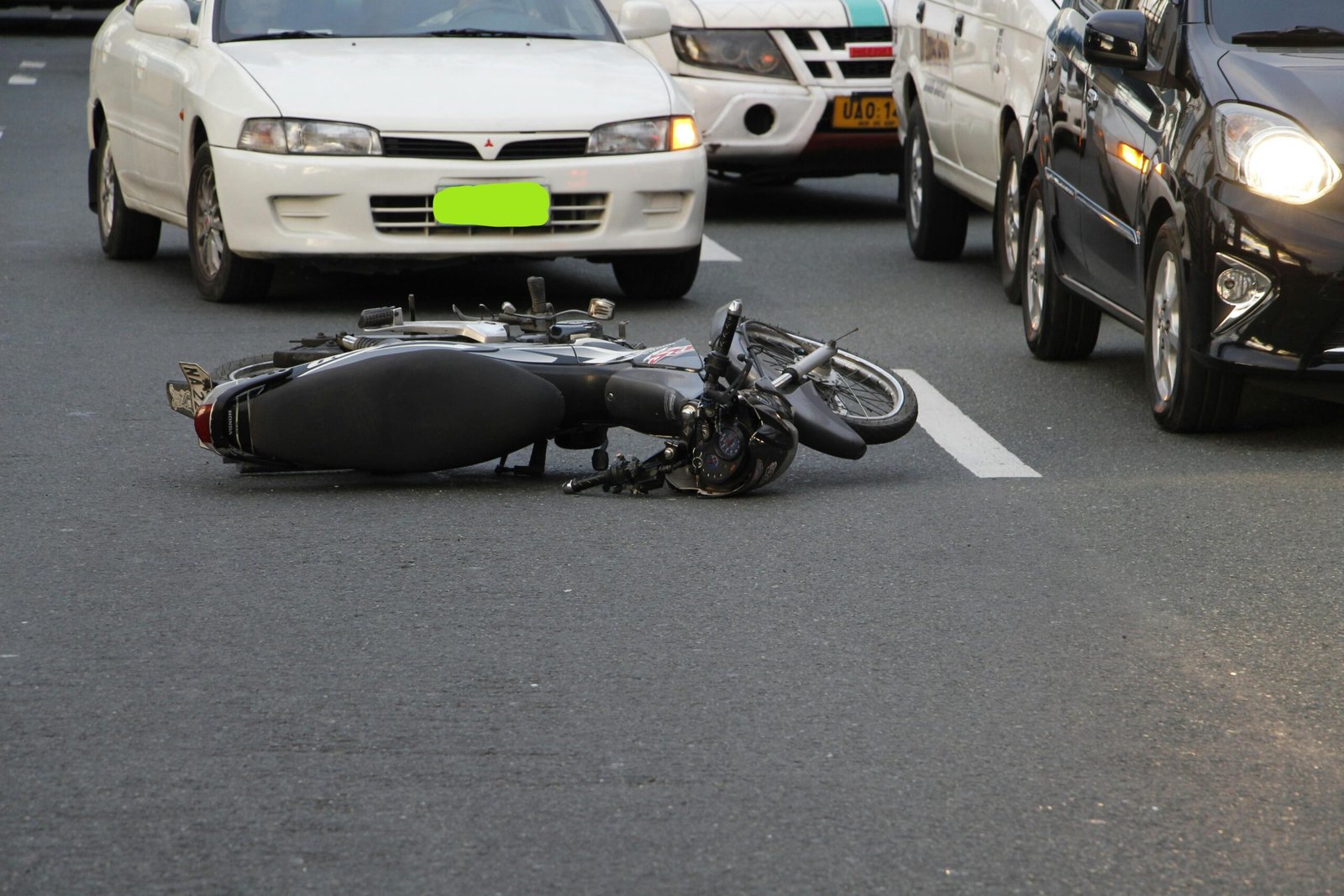
Mauritius is facing an escalating road safety crisis as new statistics reveal that motorcycles remain the most heavily involved vehicle category in fatal road accidents across the country. The alarming figures have intensified national concerns over reckless driving, inadequate road safety practices, and the growing vulnerability of motorcyclists on Mauritian roads.
Recent road safety data indicates that 302 motorcycles were involved in fatal accidents during a six-year analytical period extending from January 2021 to May 2026. The figures form part of a broader pattern of rising traffic fatalities that experts now describe as a national public safety emergency.
Road Deaths Rising at an Alarming Pace
According to the latest reports, Mauritius recorded 57 road deaths linked to 54 fatal accidents by late May 2026 alone. The figure has already surpassed the total annual road fatalities recorded during several previous years, highlighting the severity of the current crisis.
Road safety analysts warn that if current trends continue, 2026 could become one of the deadliest years in the country’s recent traffic history.
The growing number of fatal collisions has raised serious concerns among policymakers, healthcare professionals, emergency responders, and transportation authorities, all of whom are calling for urgent intervention measures.
Motorcycles Identified as the Highest-Risk Category
Motorcycles accounted for approximately one-third of all vehicles involved in fatal accidents during the study period, making them the most dangerous category on Mauritian roads.
The issue is particularly significant because motorcycles represent a smaller proportion of total registered vehicles compared to private cars, yet they account for a disproportionately high percentage of fatal accidents and severe injuries.
Road safety experts attribute the elevated risk to several factors:
- Limited physical protection for riders.
- Increased vulnerability during collisions.
- High exposure to speeding risks.
- Dangerous overtaking behavior.
- Inconsistent helmet usage.
- Poor visibility in traffic conditions.
- Risky driving practices among younger riders.
The World Health Organization has previously highlighted motorcycles as one of the most vulnerable forms of road transport globally, particularly in low- and middle-income regions.
Young Men Among the Most Affected
Traffic safety data suggests that young male riders continue to represent the demographic most heavily affected by fatal motorcycle accidents.
Authorities believe several behavioral factors contribute to the trend, including:
- Excessive speeding.
- Aggressive riding patterns.
- Driving under fatigue.
- Lack of advanced riding training.
- Distracted driving.
- Alcohol-related impairment.
- Failure to comply with safety regulations.
Experts warn that motorcycle culture among younger riders sometimes encourages high-risk behavior, particularly on highways and urban roads where speed and traffic density create dangerous conditions.
Growth in Motorcycle Usage
The increase in motorcycle-related accidents coincides with the rapid expansion of motorcycle ownership across Mauritius over the past decade.
Motorcycles have become increasingly popular because of:
- Lower fuel consumption.
- Affordable transportation costs.
- Easier mobility in congested traffic.
- Rising delivery service demand.
- Expanding gig economy employment.
However, transportation analysts note that road infrastructure and safety awareness programs may not have evolved quickly enough to match the rising number of motorcycles on the roads.
Historical road safety studies have already warned about this imbalance. Previous national traffic analyses showed that motorcycles represented a disproportionately high share of road fatalities compared to their percentage within the national vehicle fleet.
Delivery Services and Commercial Traffic Under Scrutiny
Another growing concern involves the rise of delivery riders and commercial motorcycle operators.
The expansion of food delivery platforms, courier services, and informal transport operations has placed more motorcycles on the roads for extended periods each day. Industry observers note that many riders face:
- Tight delivery deadlines.
- Long working hours.
- Pressure to maximize earnings.
- High exposure to traffic risks.
Safety experts warn that economic pressure can sometimes encourage speeding, fatigue, and unsafe driving behavior, increasing accident risks.
Similar concerns have also emerged regarding vans and light commercial vehicles involved in logistics and freight transportation.
Infrastructure and Road Design Challenges
Road safety specialists argue that infrastructure limitations continue to contribute to accident severity.
Several recurring issues include:
Poor Road Conditions
Uneven surfaces, potholes, insufficient lighting, and inadequate drainage systems can be especially dangerous for motorcycles, which are more sensitive to road irregularities than larger vehicles.
Lack of Dedicated Motorcycle Infrastructure
Unlike some countries with advanced traffic systems, Mauritius has limited dedicated motorcycle lanes or rider-specific safety infrastructure.
Hazardous Intersections
Busy intersections and roundabouts remain among the highest-risk areas for collisions involving motorcycles and passenger vehicles.
Inadequate Road Signage
Poorly visible signs and inconsistent road markings may reduce reaction time for riders and motorists alike.
International road safety research consistently identifies infrastructure quality as a major factor influencing motorcycle crash rates.
Healthcare System Facing Additional Pressure
The rise in severe road accidents also places increasing strain on the healthcare sector.
Motorcycle accidents frequently result in:
- Traumatic brain injuries.
- Spinal cord injuries.
- Multiple fractures.
- Long-term disabilities.
- Intensive care admissions.
- Emergency surgical interventions.
Emergency responders and trauma specialists warn that rising accident rates could place additional pressure on hospitals, ambulance services, and rehabilitation centers.
Beyond the immediate medical consequences, serious road injuries often create lasting economic and social burdens for families and communities.
Economic Cost of Road Accidents
Road accidents have significant economic implications for Mauritius.
The broader costs may include:
- Healthcare expenditure.
- Emergency response operations.
- Insurance claims.
- Productivity losses.
- Vehicle damage.
- Legal and administrative expenses.
- Long-term rehabilitation costs.
For individuals and families, the financial consequences of severe accidents can be devastating, particularly when primary income earners suffer permanent injuries or fatalities.
Road safety advocates stress that prevention strategies are substantially less costly than managing the long-term consequences of traffic trauma.
Authorities Under Pressure to Act
The worsening road safety situation has intensified pressure on government agencies and law enforcement authorities to implement stronger preventive measures.
Proposed interventions include:
Stricter Enforcement
Authorities may intensify crackdowns on speeding, dangerous overtaking, drunk driving, and helmet violations.
Expanded Public Awareness Campaigns
Road safety education campaigns targeting young riders could help promote safer driving behavior.
Improved Rider Training
Experts are calling for stronger licensing standards and mandatory advanced riding programs.
Infrastructure Modernization
Transportation planners may accelerate road improvement projects and safety upgrades in high-risk zones.
Increased Traffic Monitoring
Greater use of surveillance cameras, automated enforcement systems, and traffic monitoring technologies could help improve compliance.
Several policymakers have also emphasized the importance of achieving long-term road fatality reduction targets aligned with international road safety initiatives.
International Perspective on Motorcycle Safety
The challenges facing Mauritius mirror broader international trends.
The World Health Organization has repeatedly warned that motorcycles remain one of the most dangerous modes of transport worldwide, particularly in regions experiencing rapid urbanization and increasing motorcycle ownership.
Global road safety experts recommend a “Safe System” approach that focuses on:
- Safer roads.
- Safer vehicles.
- Safer driving behavior.
- Improved law enforcement.
- Better emergency response systems.
Countries that have successfully reduced motorcycle fatalities often combine strict legislation with long-term public education and infrastructure investment.
Public Responsibility Also Critical
While authorities play an essential role, road safety experts emphasize that individual behavior remains a major determinant of accident risk.
Motorists and riders are being urged to:
- Respect speed limits.
- Wear certified helmets.
- Avoid distracted driving.
- Never drive under the influence.
- Maintain vehicles properly.
- Practice defensive driving techniques.
- Follow traffic regulations consistently.
Experts stress that even small behavioral improvements can significantly reduce accident severity and save lives.
Conclusion
The involvement of 302 motorcycles in fatal accidents highlights the growing severity of Mauritius’ road safety crisis and underscores the urgent need for coordinated national action. As road fatalities continue to rise, concerns are mounting over the safety of motorcyclists, the adequacy of infrastructure, and the effectiveness of current prevention strategies.
Without stronger enforcement, improved public awareness, and substantial investment in road safety measures, experts warn that the country may continue to experience increasing traffic-related deaths and injuries in the years ahead.
For Mauritius, addressing the motorcycle safety crisis is no longer simply a transportation issue—it has become a critical public health, economic, and social priority requiring immediate and sustained intervention.
About the Author – Mauritius Ranker
Mauritius Ranker is a leading digital media and news platform dedicated to delivering in-depth coverage of public affairs, transportation, healthcare, business, tourism, education, and social developments across Mauritius. Through data-driven reporting, expert analysis, and informative features, Mauritius Ranker provides readers with timely insights into the issues shaping the nation and the wider Indian Ocean region.
Enjoying Mauritius Ranking?
If you find our local guides and rankings helpful, add Mauritius Ranking as a Preferred Source on Google to see more of our latest content.
Found this article useful?
If this content helped you, you may support the developer by contributing the cost of a coffee.
Pay $5