
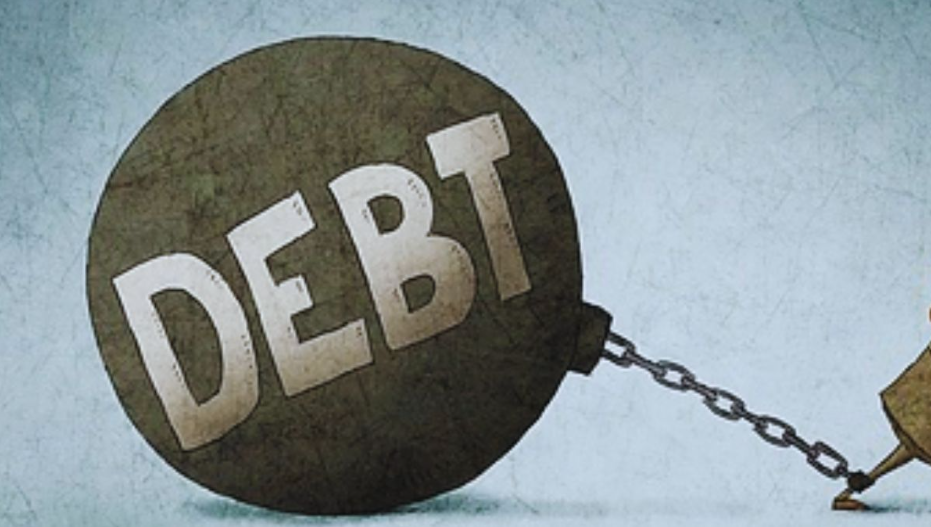
Mauritius is facing mounting fiscal pressure as its national debt reaches Rs 675 billion in 2026, raising concerns about long-term economic sustainability and financial resilience.
Rising Debt Levels
The increase in public debt reflects a combination of factors, including:
- Government spending to support economic recovery
- Infrastructure and development projects
- External shocks such as global inflation and energy price volatility
- Currency pressures and import dependency
While borrowing has helped stabilize the economy in the short term, the rising debt burden is becoming a key policy concern.
Debt-to-GDP Concerns
Economists are closely watching Mauritius’ debt-to-GDP ratio, a key indicator of fiscal health. Higher debt levels can:
- Limit government flexibility in future spending
- Increase interest payment obligations
- Affect credit ratings and investor confidence
Maintaining a sustainable balance between growth and borrowing is now critical.
Economic Pressures Behind the Surge
Several external and internal pressures are contributing to the situation:
- Global energy costs impacting import bills
- Supply chain disruptions increasing expenses
- Slower revenue growth in certain sectors
- Continued need for social and economic support programs
As a small island economy, Mauritius remains particularly vulnerable to global economic shifts.
Policy Response and Fiscal Strategy
The government is expected to adopt measures aimed at stabilizing public finances, including:
- Strengthening revenue collection
- Managing public expenditure more efficiently
- Promoting economic diversification
- Encouraging private sector investment
Financial hubs like Ebène will play a key role in driving economic growth and attracting investment.
Balancing Growth and Stability
Despite rising debt, Mauritius continues to focus on long-term growth through:
- Tourism recovery and expansion
- Financial services and global business
- Digital economy and innovation
- Sustainable and green initiatives
The challenge lies in stimulating growth while controlling debt levels.
Looking Ahead
The Rs 675 billion debt milestone highlights the need for careful fiscal management and strategic planning. While the current situation is manageable, sustained borrowing without strong growth could create future risks.
Mauritius’ ability to navigate these challenges will depend on policy discipline, economic reforms, and global economic conditions.
How Does Mauritius Ranking Work?
Our rankings are based on various factors, including ratings, customer reviews, reputation, service quality, relevance, and other relevant criteria. The factors considered may vary depending on the business category, ensuring that each category is evaluated using criteria relevant to its nature and services.
View Ranking MethodologyEnjoying Mauritius Ranking?
If you find our local guides and rankings helpful, add Mauritius Ranking as a Preferred Source on Google to see more of our latest content.
Found this article useful?
If this content helped you, you may support the developer by contributing the cost of a coffee.
Pay $5
