The government of Mauritius temporarily blocked access to major social media platforms ahead of a national election following a major wiretapping scandal that triggered political controversy and public debate.
Why Social Media Was Blocked
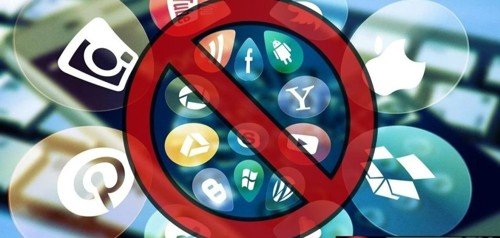
In early November 2024, the country’s communications regulator instructed internet service providers to suspend access to platforms such as Facebook, Instagram, TikTok, and X (formerly Twitter). The restriction was initially planned to remain in place until after the parliamentary election on 10 November.
Authorities stated that the decision was taken due to national security concerns and the spread of sensitive information online after leaked recordings appeared on social media.
The Wiretapping Scandal
The controversy began when audio recordings of phone conversations allegedly involving politicians, journalists, lawyers, and even foreign diplomats were leaked online. These recordings suggested possible illegal surveillance activities.
The leaks quickly spread on social media platforms, intensifying political tensions in the country during the election campaign. Government officials argued that some recordings might have been manipulated using artificial intelligence, while others insisted the conversations were authentic.
Political Reactions and Criticism
Opposition parties and civil society groups strongly criticized the move, claiming that blocking social media could limit free speech and restrict the flow of information during an election period. Analysts also warned that such a decision could affect democratic transparency and public communication.
The ban triggered widespread public debate both locally and internationally, with media organizations and digital rights advocates expressing concern about censorship.
Ban Reversed After Public Backlash
Although the suspension was initially expected to last until the day after the election, the government reversed the decision within about 24 hours following strong public criticism and consultations with authorities.
Social media access was restored across Mauritius, allowing citizens, political parties, and media outlets to resume normal communication during the election period.
A Turning Point in Digital Politics
The incident highlighted the growing role of social media in political discourse and election campaigns. It also raised important questions about the balance between national security, misinformation control, and freedom of expression in the digital era.
For Mauritius, the episode demonstrated how online platforms can significantly influence public debate and political transparency during crucial democratic processes.
About the Author – Mauritius Ranker
Mauritius Ranker is a digital media and information platform dedicated to publishing reliable news, rankings, and insights about Mauritius. The platform focuses on highlighting developments in politics, business, tourism, technology, and social issues that shape the nation’s future.
Mauritius Ranker provides research-based articles designed to keep readers informed about current affairs, economic progress, and important national events. The publication also covers industry rankings, travel insights, and emerging opportunities across the island.
How Does Mauritius Ranking Work?
Our rankings are based on various factors, including ratings, customer reviews, reputation, service quality, relevance, and other relevant criteria. The factors considered may vary depending on the business category, ensuring that each category is evaluated using criteria relevant to its nature and services.
View Ranking MethodologyEnjoying Mauritius Ranking?
If you find our local guides and rankings helpful, add Mauritius Ranking as a Preferred Source on Google to see more of our latest content.
Found this article useful?
If this content helped you, you may support the developer by contributing the cost of a coffee.
Pay $5
