
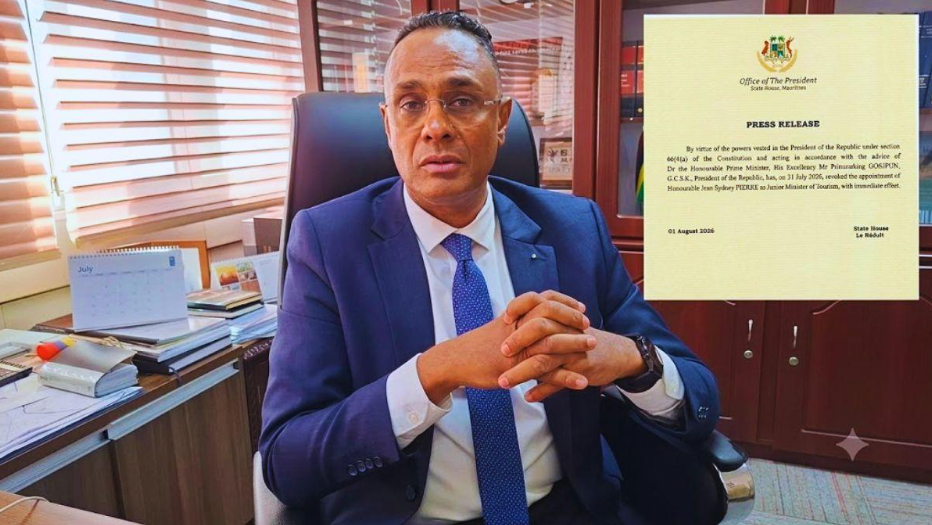
Mauritius’ ongoing pension reform debate has taken another political turn following the reported dismissal of a junior minister after voting against government-backed amendments to the pension system. The development has drawn attention to the growing political pressure surrounding pension reform and the challenges the government faces in securing support for changes to retirement policy.
The incident highlights the importance of pension legislation in Mauritius, where proposed reforms have generated strong reactions from political figures, trade unions, workers, pensioners, and members of the public.
What Happened?
The junior minister’s removal reportedly followed a vote against amendments supported by the government. The decision has raised questions about political discipline, parliamentary responsibility, and the extent to which members of a governing administration are expected to support official government positions.
The episode comes at a sensitive time, as pension reform remains one of the most closely watched policy issues in Mauritius.
Why Pension Amendments Matter
Changes to the pension system can have long-term consequences for millions of citizens. Government proposals are generally aimed at ensuring that retirement benefits remain financially sustainable while responding to demographic and economic changes.
Important considerations include:
- Retirement eligibility requirements.
- The sustainability of pension funding.
- Government expenditure.
- Protection of vulnerable retirees.
- Future retirement benefits.
- The impact on workers approaching retirement.
Because pension policy affects people throughout their working lives, even relatively small amendments can generate significant public interest.
Political Pressure Over Pension Reform
The reported dismissal illustrates how controversial pension reforms can create divisions within political institutions.
Government leaders typically need sufficient parliamentary support to pass major legislation, while individual lawmakers may face pressure to represent concerns raised by constituents and other stakeholders.
The situation demonstrates the difficult balance between:
- Maintaining government unity.
- Supporting proposed legislation.
- Representing constituents.
- Responding to public concerns.
- Protecting long-term national interests.
Public Reaction
Pension reform has already prompted debate among trade unions and civil society groups. Critics of government proposals have raised concerns about how changes could affect workers, particularly people in physically demanding jobs and those who rely heavily on public pension benefits.
Supporters of reform, meanwhile, argue that changes may be necessary to protect the pension system’s long-term financial stability.
Why Pension Sustainability Matters
Mauritius, like many countries, must prepare for demographic changes and longer life expectancy. As the number of retirees increases, governments face greater pressure to ensure that pension systems remain financially sustainable.
A sustainable system needs to balance:
Adequate Retirement Support
Citizens should have sufficient income to maintain a reasonable standard of living after leaving the workforce.
Fiscal Responsibility
The government must ensure that pension commitments can be financed over the long term.
Fairness Between Generations
Policies should consider both current pensioners and younger workers who will depend on the system in the future.
The Importance of Parliamentary Debate
Disagreements over legislation are a normal part of democratic politics. Parliamentary votes provide elected representatives with an opportunity to debate policies, raise concerns, and propose alternatives.
At the same time, government members are often expected to support policies that form part of the administration’s legislative programme.
The reported dismissal therefore raises broader questions about political accountability, freedom of parliamentary expression, and government cohesion.
Looking Ahead
The pension reform debate is expected to remain a major issue in Mauritius as authorities continue working to establish a sustainable retirement framework. Further discussions between government representatives, opposition parties, trade unions, and other stakeholders could help address concerns surrounding the proposed changes.
Greater public communication and transparency may also help citizens understand how pension amendments could affect their future retirement benefits.
Final Thoughts
The reported dismissal of a junior minister after voting against government pension amendments highlights the political sensitivity surrounding pension reform in Mauritius. Retirement policy affects workers, pensioners, families, and future generations, making careful debate and transparent decision-making essential. As the reform process continues, maintaining an open dialogue while balancing fiscal sustainability with social protection will be crucial for building a pension system that citizens can trust.
About the Author – Mauritius Ranker
Mauritius Ranker is a trusted platform covering politics, government policy, business, finance, social issues, tourism, and economic developments across Mauritius. Our editorial team is committed to providing accurate, balanced, and informative content that helps readers understand the major issues shaping the country’s future.
How Does Mauritius Ranking Work?
Our rankings are based on various factors, including ratings, customer reviews, reputation, service quality, relevance, and other relevant criteria. The factors considered may vary depending on the business category, ensuring that each category is evaluated using criteria relevant to its nature and services.
View Ranking MethodologyEnjoying Mauritius Ranking?
If you find our local guides and rankings helpful, add Mauritius Ranking as a Preferred Source on Google to see more of our latest content.
Found this article useful?
If this content helped you, you may support the developer by contributing the cost of a coffee.
Pay $5