
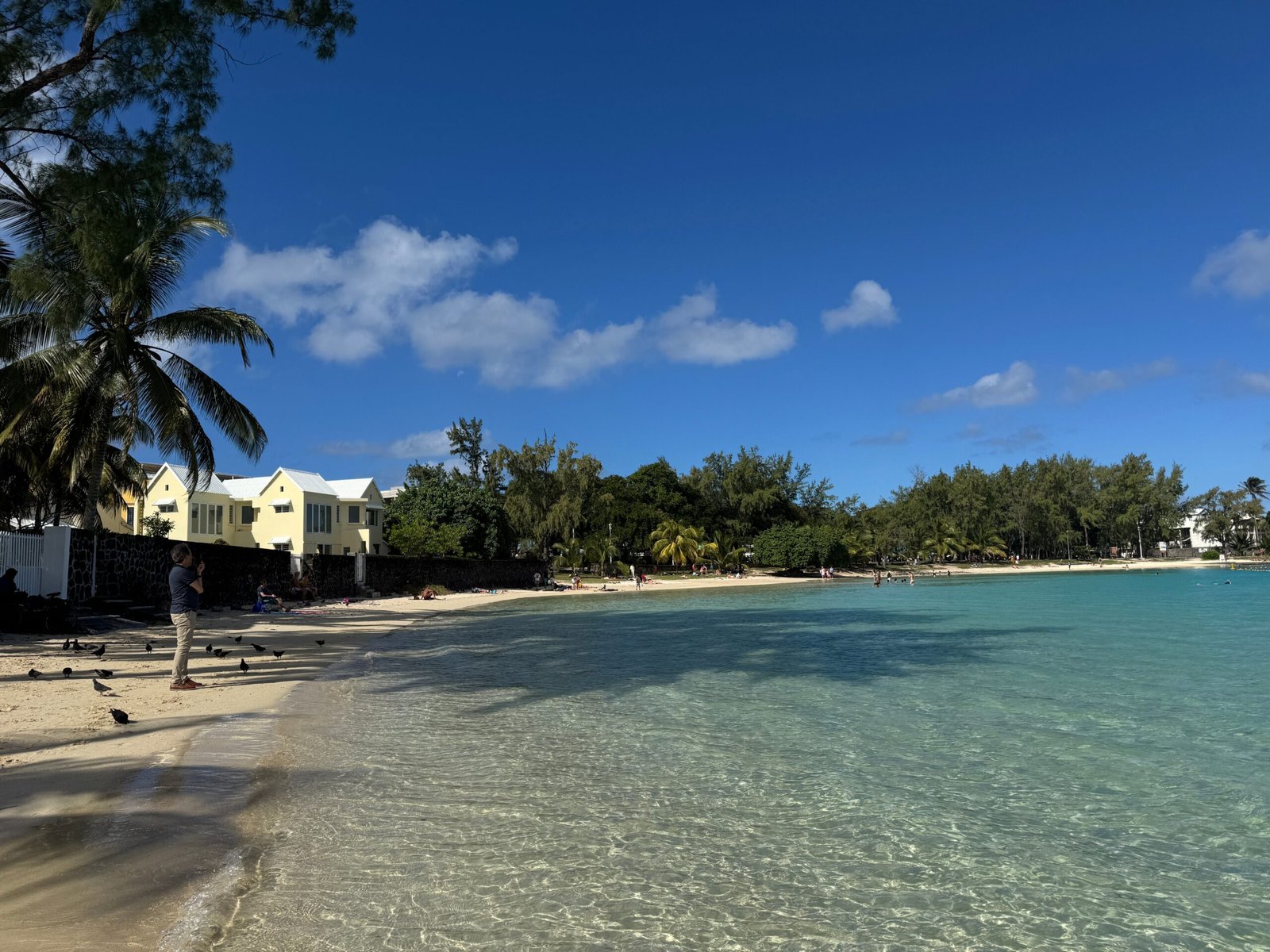
Mauritius is an island destination where natural beauty, cultural heritage and memorable outdoor experiences come together. Located in the Indian Ocean, this tropical country is widely recognised for its white-sand beaches, turquoise lagoons, green mountain landscapes, waterfalls and welcoming atmosphere.
Although many international travellers associate Mauritius with luxury hotels and romantic beach holidays, the island has considerably more to offer. Visitors can explore historic landmarks, discover unusual geological formations, walk through protected forests, enjoy boat excursions and learn about the country’s diverse cultural heritage.
The island’s attractions are spread across different regions, making sightseeing an interesting part of the travel experience. The southwest is known for its dramatic mountains and scenic landscapes, while the east offers beautiful lagoon experiences and boat trips. Northern Mauritius is home to historic gardens and cultural attractions, and the island’s interior provides opportunities for hiking and nature exploration.
For travellers planning a holiday in 2026, choosing the right attractions can make a significant difference to their itinerary. Some places are particularly suitable for families, while others appeal more to adventure enthusiasts, photographers, history lovers and couples.
Whether you are visiting Mauritius for the first time or returning to discover more of the island, the following five destinations offer a wonderful introduction to its natural and cultural character.
1. Le Morne Brabant – Best for Historical Heritage and Mountain Scenery
Le Morne Brabant is one of the most recognisable natural and historical landmarks in Mauritius. Rising dramatically above the southwestern coastline, this basalt mountain offers impressive views of the surrounding lagoon, beaches and green landscapes. Its historical connection with slavery and the resistance of enslaved people makes it much more than a sightseeing destination. Recognised as a UNESCO World Heritage Site in 2008, Le Morne is an important place for travellers interested in Mauritian history, nature and outdoor experiences.
Average Editorial Score: 98/100
Address: Mauritius
Location:
Mauritius
Google Business Profile search: Click here
Google Maps:
What makes Le Morne Brabant worth visiting?
Le Morne Brabant stands out because it combines natural scenery with an important chapter of Mauritian history. The mountain is closely associated with maroon communities, particularly enslaved people who escaped captivity and sought refuge in its difficult-to-reach landscape.
The area became a symbol of resistance, freedom and the struggle for human dignity. Its cultural significance was recognised internationally when the Le Morne Cultural Landscape received UNESCO World Heritage status in 2008.
Today, visitors can appreciate its historical importance while enjoying the surrounding coastal scenery. The mountain’s distinctive basalt formation, turquoise lagoon and nearby beaches make it one of the most photographed landscapes in Mauritius.
Historical heritage and cultural significance
Le Morne Brabant has a strong connection with the history of slavery in Mauritius. During the colonial period, enslaved people who escaped captivity used the mountain as a place of refuge. Its isolated terrain provided protection and became associated with the resistance of maroon communities.
The heritage landscape is now an important place of remembrance. Visitors should take time to understand its history and respect its cultural importance rather than treating it simply as a scenic mountain.
The Le Morne Heritage Trust Fund provides information about the site’s heritage, conservation and visitor access arrangements.
Things to do at Le Morne Brabant
- Explore the heritage landscape: Discover the historical significance of Le Morne and appreciate the relationship between the mountain and Mauritius’s past.
- Enjoy coastal photography: The mountain creates an impressive backdrop against the turquoise lagoon, making the surrounding coastline particularly attractive for photography.
- Experience permitted hiking areas: Hiking is a popular activity associated with Le Morne. However, visitors must check current access restrictions before attempting an ascent. As of November 2026, the upper section of the mountain trail is temporarily closed because of rockfall concerns. Only authorised sections should be explored.
- Visit Le Morne Public Beach: Spend time enjoying the coastal environment, swimming where conditions permit and appreciating the mountain views.
- Explore nearby water sports: The wider Le Morne region is known for kitesurfing and windsurfing. Activities depend on weather conditions and individual operators.
Services and facilities to enquire about
- Heritage and cultural information
- Designated visitor access arrangements
- Permitted hiking and outdoor exploration
- Nearby public beach facilities
- Local water-sports operators
- Guided heritage experiences, subject to availability
- Nearby restaurants and accommodation options
Practical visitor information
Le Morne is suitable for travellers who appreciate history, natural landscapes and outdoor activities. However, mountain access is subject to safety restrictions, and visitors should check the latest notices from the Le Morne Heritage Trust Fund before travelling.
The surrounding coastal area provides an alternative for people who do not wish to hike. Visitors can enjoy the beach, photograph the mountain and explore the wider peninsula without undertaking a demanding climb.
Early morning is generally a practical time for outdoor exploration. Carry drinking water, wear suitable footwear and avoid hiking during poor weather. Never attempt to enter closed trail sections, even with a guide.
- Best suited to: History enthusiasts, photographers, couples, nature lovers and experienced hikers.
- Recommended duration: 2–4 hours, depending on permitted activities.
- Best time to visit: Early morning.
- Nearby attractions: Le Morne Public Beach, Le Morne Cultural Landscape and southwestern lagoon viewpoints.
2. Chamarel Seven Coloured Earth Geopark – Best for Unique Geological Landscapes
Chamarel Seven Coloured Earth Geopark is one of the most distinctive natural attractions in Mauritius. Located in the island’s southwestern highlands, this destination is famous for its naturally coloured earth formations, which display contrasting shades across a series of rolling dunes. The attraction also includes Chamarel Waterfall viewpoints, landscaped areas and additional visitor experiences, making it a worthwhile destination for families, photographers and nature enthusiasts.
Average Editorial Score: 97/100
Address: 7 Colored Earth Road, Chamarel, Mauritius
Location:
Chamarel
Contact: +2304834298
Website: Chamarel Seven Coloured Earth Geopark
Google Business Profile search: Click here
Google Maps:
What makes Chamarel Seven Coloured Earth Geopark worth visiting?
The main attraction is its unusual geological landscape, where naturally coloured earth formations create contrasting shades of red, brown, yellow, purple and other earthy colours. These formations are associated with the volcanic geology of Mauritius and the weathering of volcanic materials over long periods.
The landscape is particularly interesting for visitors who enjoy geology, geography and nature photography. The designated viewing areas allow visitors to appreciate the formations without disturbing the protected terrain.
Another reason to visit is the wider experience offered by the geopark. Visitors can combine the coloured earth attraction with waterfall viewpoints, landscaped gardens and the tortoise park.
Chamarel Waterfall and natural surroundings
Chamarel Waterfall is another major highlight of the attraction. Surrounded by lush vegetation and volcanic terrain, the waterfall creates an impressive natural landscape and is among the most photographed locations in Mauritius.
Visitors can enjoy designated viewpoints overlooking the waterfall and take photographs of the surrounding forested valley. According to the attraction’s published visitor information, standard admission includes access to two Chamarel Waterfall viewpoints.
The wider Chamarel region also offers scenic countryside, local restaurants and other nature-related experiences.
Things to do at Chamarel Seven Coloured Earth Geopark
- Explore the colourful geological formations: Walk through the designated viewing areas and appreciate the different natural shades of the earth.
- Visit Chamarel Waterfall viewpoints: Enjoy the waterfall scenery and photograph the surrounding greenery.
- Discover the tortoise park: Observe giant tortoises in the designated area. This experience can be particularly interesting for families with children.
- Explore the landscaped garden: Spend time walking through the green surroundings and enjoying the natural environment.
- Visit the viewpoint café: Take a break and enjoy refreshments at the café available within the attraction.
- Discover the surrounding Chamarel region: Explore nearby countryside viewpoints, restaurants and other attractions.
Services and facilities to enquire about
- Access to the Seven Coloured Earth viewing area
- Chamarel Waterfall viewpoints
- Giant tortoise viewing area
- Landscaped garden
- Visitor café
- Souvenir shop
- Designated walking and photography areas
- Visitor parking arrangements
Entry fees and opening hours
The attraction publishes different admission prices for residents and non-residents. Its published visitor information lists the following rates:
| Visitor Category | Published Admission |
|---|---|
| Resident adult | Rs 400 |
| Resident child (5–11) | Rs 200 |
| Non-resident adult | Rs 800 |
| Non-resident child (5–11) | Rs 400 |
| Children under 5 | Free |
Published seasonal opening hours:
- October to May: 8:30 AM–5:30 PM.
- June to September: 8:30 AM–5:00 PM.
- Open on Sundays and public holidays.
These prices and operating hours should be reconfirmed through the official website before travelling because admission policies and seasonal schedules can change.
Practical visitor information
Chamarel Geopark is a suitable destination for families, couples and visitors interested in Mauritius’s geological landscape. The designated paths and viewing platforms make it possible to explore the main attractions without undertaking a strenuous hike.
Visitors should allow enough time to see both the coloured earth formations and the waterfall viewpoints. Comfortable footwear, sunscreen and drinking water are useful, particularly on warm days.
- Best suited to: Families, photographers, nature enthusiasts and geology lovers.
- Recommended duration: 1.5–3 hours.
- Best time to visit: Morning or late afternoon.
- Nearby attractions: Chamarel Waterfall, Ebony Forest Reserve, Chamarel village and surrounding countryside viewpoints.
3. Île aux Cerfs – Best for Beaches, Lagoon Activities and Boat Excursions
Île aux Cerfs is one of the most popular island excursions in Mauritius. Located off the eastern coastline near Trou d’Eau Douce, this tropical destination is known for its white sandy beaches, clear lagoon waters and recreational activities. Visitors can enjoy boat transfers, parasailing, beach relaxation, water sports and dining experiences. Its combination of coastal scenery and leisure activities makes it particularly appealing to couples, families and groups of friends.
Average Editorial Score: 96/100
Address: Mauritius
Location:
Mauritius
Contact: +230 402 7720
Google Business Profile search: Click here
Google Maps:
What makes Île aux Cerfs worth visiting?
Île aux Cerfs is famous for its tropical beach scenery, turquoise lagoon and relaxed island atmosphere. Covering approximately 87 hectares, the island has become one of the best-known leisure destinations in Mauritius.
Unlike attractions that focus primarily on sightseeing or historical exploration, Île aux Cerfs offers a combination of relaxation and recreational activities. Visitors can spend time on the beaches, enjoy organised boat excursions or choose from available water sports.
The island also has restaurants and leisure facilities, while its championship golf course provides an additional attraction for golf enthusiasts.
Beach experience and lagoon activities
The white sandy beaches are among the main reasons travellers visit Île aux Cerfs. The surrounding lagoon creates an attractive setting for swimming where conditions permit, relaxing by the water and enjoying the island’s coastal scenery.
Visitors interested in adventure can enquire about parasailing, snorkelling and other activities offered by local operators. Availability, prices and safety requirements vary according to the operator and weather conditions.
The island is also associated with a championship golf course designed by Bernhard Langer. Golf enthusiasts should check the separate arrangements and booking requirements through the golf club.
Things to do at Île aux Cerfs
- Relax on the beaches: Enjoy the white sandy coastline, appreciate the lagoon views and spend time by the sea.
- Experience parasailing: Explore the lagoon from above through activities offered by local operators, subject to suitable weather and safety requirements.
- Enjoy boat excursions: Arrange a boat trip to explore the surrounding lagoon and selected coastal locations.
- Try water sports: Enquire about available activities such as snorkelling and other organised water experiences.
- Enjoy a beachside meal: Explore the island’s dining options and combine sightseeing with a relaxed lunch.
- Discover the golf experience: Visit the Île aux Cerfs Golf Club and enquire about course access and reservations.
Services and facilities to enquire about
- Public boat shuttle services
- Private boat transfers
- Beach access
- Restaurants and dining facilities
- Parasailing and water sports
- Organised lagoon excursions
- Golf facilities
- Visitor assistance and leisure activities
Boat transfers and operating information
Île aux Cerfs is accessible by boat, with Pointe Maurice near Trou d’Eau Douce serving as an important departure location. Visitors should confirm the correct departure point and transfer arrangements before travelling.
Published island information indicates the following operating arrangements:
- Island operating hours: 9:00 AM–6:00 PM.
- Public boat shuttle: Approximately every 30 minutes from 9:30 AM to 6:00 PM.
- Departure location: Pointe Maurice.
Boat schedules can change due to weather and operational conditions. Check the official leisure island website for the latest transfer information before setting out.
Practical visitor information
Île aux Cerfs is particularly suitable for travellers who want to spend a full day enjoying Mauritius’s coastal environment. The experience involves a boat journey, so visitors should consider sea conditions, departure times and return arrangements.
People with mobility requirements should contact the relevant boat operator and island facilities before travelling to confirm boarding arrangements, accessible routes and available assistance.
Carry sunscreen, drinking water and suitable beach essentials. If you intend to participate in water sports, check the operator’s safety procedures and prices before booking.
- Best suited to: Couples, families, beach lovers and water-sports enthusiasts.
- Recommended duration: 4–7 hours.
- Best time to visit: Morning departure and daytime exploration.
- Nearby attractions: Trou d’Eau Douce, Pointe Maurice, Île aux Cerfs Golf Club and eastern lagoon excursions.
4. Black River Gorges National Park – Best for Hiking, Wildlife and Nature Exploration
Black River Gorges National Park is one of the most important natural attractions in Mauritius. Located in the island’s southwestern interior, the national park protects a large area of native forest, mountain landscapes, deep valleys and diverse wildlife. It offers a different experience from the island’s beaches and resorts, making it an excellent destination for hikers, birdwatchers, photographers and nature enthusiasts.
Average Editorial Score: 95/100
Address: B103 – Plaine Champagne Road, Mauritius
Location:
Champagne
Contact: +2304644053
Website: National Parks
Google Business Profile search: Click here
Google Maps:
What makes Black River Gorges National Park worth visiting?
Covering approximately 6,574 hectares, Black River Gorges National Park protects an important part of Mauritius’s remaining native forest environment. It is one of the island’s most valuable conservation areas and provides habitat for endemic birds, native plants and other wildlife.
The park is particularly attractive because it combines forest landscapes, mountain viewpoints, waterfalls and walking trails. Visitors can choose between relatively relaxed sightseeing and more demanding outdoor activities, depending on their interests and experience.
Its ecological importance also makes it an interesting destination for people who want to understand Mauritius’s biodiversity and conservation efforts.
Natural environment and ecological importance
Mauritius has a distinctive natural history, and its native forests contain plant and animal species that cannot naturally be found elsewhere in the world. Black River Gorges National Park plays an important role in protecting these ecosystems.
Much of the island’s original vegetation has changed over the centuries because of agriculture, settlement and the introduction of non-native species. Protected areas such as Black River Gorges are therefore important for preserving remaining native habitats.
Visitors should remember that the park is a conservation area. Responsible behaviour, including staying on permitted paths and avoiding disturbance to wildlife, helps protect its fragile environment.
Things to do at Black River Gorges National Park
- Explore the hiking trails: Discover different forest environments through walking routes such as Black River Peak Trail, Macchabée Forest Trail, Parakeet Trail and Savanne Trail.
- Visit scenic viewpoints: Enjoy elevated views of forested valleys, mountain slopes and the surrounding landscape without necessarily undertaking a long hike.
- Enjoy birdwatching: Look for native and endemic bird species in their natural habitats. Visitors should observe wildlife without disturbing it.
- Discover native plants: Explore the park’s forest environment and learn about the importance of Mauritius’s endemic vegetation.
- Enjoy nature photography: Photograph the forest canopy, mountain landscapes and changing scenery across the valleys.
- Explore the Pétrin area: Visit the forest walking areas and discover the natural environment around one of the park’s recognised access locations.
Services and facilities to enquire about
- Designated park access points
- Hiking and walking trails
- Scenic viewpoints
- Nature and birdwatching opportunities
- Forest exploration areas
- Visitor information from the National Parks and Conservation Service
- Guided nature experiences, subject to availability
- Nearby countryside attractions
Practical visitor information
Black River Gorges is suitable for visitors who want to experience the natural side of Mauritius. However, the difficulty of hiking routes varies considerably, and not every trail is appropriate for beginners.
Rain can make paths slippery, while visibility and weather conditions can change quickly in elevated areas. Visitors should check trail conditions and weather forecasts before starting their journey.
The Pétrin area can be a useful starting point for people interested in exploring the forest environment. Facilities and access arrangements differ depending on the entrance and trail selected.
- Best suited to: Hikers, photographers, birdwatchers and nature enthusiasts.
- Recommended duration: 3–6 hours or longer for selected hikes.
- Best time to visit: Early morning.
- Nearby attractions: Alexandra Falls, Ganga Talao, Plaine Champagne and the Chamarel region.
5. Sir Seewoosagur Ramgoolam Botanical Garden – Best for Tropical Plants and Botanical Heritage
Sir Seewoosagur Ramgoolam Botanical Garden, commonly known as Pamplemousses Botanical Garden, is one of the most historically important nature attractions in Mauritius. Located in the northern part of the island, it is famous for its tropical plant collections, historic landscape, peaceful ponds and giant water lilies. The garden provides a relaxed sightseeing experience for families, photographers, garden enthusiasts and visitors interested in the island’s botanical heritage.
Average Editorial Score: 94/100
Address: John Kennedy St, Pamplemousses, Mauritius
Location:
Pamplemousses
Contact: +2302439401
Website: Sir Seewoosagur Ramgoolam
Google Business Profile search: Click here
Google Maps:
What makes Sir Seewoosagur Ramgoolam Botanical Garden worth visiting?
The botanical garden is known for its tropical and exotic plant collections, landscaped pathways, mature trees and historic features. Its peaceful atmosphere makes it a pleasant alternative to more activity-focused attractions around the island.
One of its most famous features is the giant water lily collection. The large floating leaves create an impressive appearance across the garden’s ponds and are particularly popular with photographers and families.
The garden also offers an opportunity to learn about the history of botanical science and tropical horticulture in Mauritius. Its historic character and diverse plant collections make it an important destination for visitors exploring northern Mauritius.
History of Pamplemousses Botanical Garden
The garden was established during the French colonial period in the eighteenth century and later became known as the Royal Botanic Garden. Over time, it developed into an important collection of tropical and exotic plants.
It was subsequently renamed Sir Seewoosagur Ramgoolam Botanical Garden in honour of Mauritius’s first Prime Minister.
Today, the garden is maintained by the government and continues to serve as a destination for recreation, education, conservation and botanical appreciation.
Things to do at Sir Seewoosagur Ramgoolam Botanical Garden
- Explore the giant water lily ponds: Observe the large floating leaves and enjoy the garden’s famous aquatic plant collection.
- Discover tropical palms: Explore different palm species and other tropical plants found throughout the garden.
- Walk through the historic pathways: Enjoy a peaceful walk through the landscaped grounds, mature trees and garden surroundings.
- Discover historical monuments: Explore the historical features and memorials located within the garden.
- Arrange a guided visit: Official garden information describes guide services provided by freelance guides. Visitors can enquire about availability and applicable fees.
- Enjoy nature photography: Photograph the garden’s ponds, tropical vegetation, large trees and historic features.
Services and facilities to enquire about
- Tropical and exotic plant collections
- Designated garden walking areas
- Giant water lily ponds
- Botanical and historical sightseeing
- Freelance guide services
- Visitor information
- Photography opportunities
- Nearby restaurants and northern sightseeing attractions
Practical visitor information
Pamplemousses Botanical Garden is a suitable destination for travellers looking for a relaxed outdoor experience. Its landscaped grounds and plant collections make it particularly interesting for families, photographers and visitors who appreciate nature.
The garden involves walking, so comfortable footwear and drinking water are recommended. Some pathways may be uneven, and visitors with mobility requirements should check the available facilities before arriving. Parents should supervise children around ponds and other water features.
- Best suited to: Families, photographers, nature enthusiasts and garden lovers.
- Recommended duration: 1.5–2.5 hours.
- Best time to visit: Morning or late afternoon.
- Nearby attractions: L’Aventure du Sucre, Pamplemousses village, Port Louis and Château de Labourdonnais.
Summary Comparison:
| Tourist Attraction | Main Highlight | Best For | Recommended Duration | Score |
|---|---|---|---|---|
| Le Morne Brabant | UNESCO heritage and mountain scenery | History and outdoor enthusiasts | 2–4 hours | 98/100 |
| Chamarel Seven Coloured Earth | Coloured geological formations and waterfall | Families and nature lovers | 1.5–3 hours | 97/100 |
| Île aux Cerfs | White sandy beaches and turquoise lagoon | Couples and beach lovers | 4–7 hours | 96/100 |
| Black River Gorges | Native forest and hiking trails | Hikers and nature enthusiasts | 3–6 hours | 95/100 |
| SSR Botanical Garden | Tropical plants and giant water lilies | Families and garden lovers | 1.5–2.5 hours | 94/100 |
Which Tourist Attractions in Mauritius Are Best for Different Travellers?
| Traveller Type | Recommended Attraction | Why Visit? |
|---|---|---|
| Couples | Île aux Cerfs | Lagoon views, beaches and boat excursions |
| History enthusiasts | Le Morne Brabant | Important historical and cultural heritage |
| Families | Chamarel Geopark | Geological formations and additional attractions |
| Adventure enthusiasts | Black River Gorges | Hiking and forest exploration |
| Nature lovers | Botanical Garden | Tropical plants and peaceful surroundings |
| Photographers | Le Morne Brabant | Mountain and coastal landscapes |
| Beach lovers | Île aux Cerfs | White sand and turquoise water |
| Botanical enthusiasts | SSR Botanical Garden | Tropical plant collections |
Best Time to Visit Mauritius
Mauritius has a tropical maritime climate, which makes it possible to visit throughout the year. However, weather conditions, temperatures and outdoor activities vary between seasons.
Summer Season: November to April
The summer months are generally warmer and more humid. This period is suitable for travellers interested in beach activities, swimming and enjoying the island’s tropical atmosphere.
However, the season can also bring heavy rainfall and tropical cyclones. Visitors planning hikes, boat trips or outdoor sightseeing should monitor weather conditions and official advisories.
Winter Season: May to October
The winter months are generally cooler and comparatively drier. This period is often suitable for hiking, sightseeing and exploring the island’s natural attractions.
Coastal wind conditions can vary, particularly in exposed eastern and southern locations.
Seasonal Travel Recommendations
| Attraction | Suggested Travel Consideration |
|---|---|
| Le Morne Brabant | Check wind, rain and official trail restrictions |
| Chamarel Geopark | Check rainfall and seasonal opening hours |
| Île aux Cerfs | Confirm sea conditions and boat schedules |
| Black River Gorges | Choose suitable weather for forest walks |
| Botanical Garden | Suitable for relaxed sightseeing throughout the year |
Travel Planning Guide: How to Explore Mauritius
The five attractions featured in this guide are located in different parts of the island. Planning visits according to their geographical locations can save travelling time and make the holiday more enjoyable.
Suggested 5-Day Mauritius Sightseeing Itinerary
Day 1 – Le Morne and the Southwest
Explore the Le Morne cultural landscape, enjoy the surrounding beaches and discover the history of the region. Only undertake activities permitted by current access restrictions.
Suggested time: Half to full day.
Day 2 – Chamarel and Surrounding Countryside
Visit the Seven Coloured Earth Geopark, enjoy the waterfall viewpoints and explore the surrounding countryside.
Suggested time: Half to full day.
Day 3 – Île aux Cerfs
Arrange a boat transfer, spend time on the beaches and explore available water sports and leisure activities.
Suggested time: Full day.
Day 4 – Black River Gorges National Park
Explore selected viewpoints, enjoy the forest landscape and choose a suitable hiking route depending on your experience.
Suggested time: Half to full day.
Day 5 – Pamplemousses Botanical Garden
Enjoy a relaxed botanical garden visit and explore other attractions in northern Mauritius.
Suggested time: Half day.
This itinerary is flexible. Travellers should consider their hotel location, transport arrangements and local weather before finalising each day’s activities.
How to Travel Around Mauritius
1. Rental Cars
Renting a car provides flexibility for visitors who want to explore several attractions independently. It can be particularly useful for travelling between Le Morne, Chamarel and Black River Gorges.
Check insurance coverage, driving requirements, parking arrangements and local road conditions before renting.
2. Taxis and Private Transfers
Taxis and private transfers are useful for travellers who prefer not to drive. Visitors can arrange individual journeys or ask their accommodation provider about full-day sightseeing transfers.
Confirm the fare, waiting time and return arrangements before starting the journey.
3. Public Buses
Mauritius has a public bus network connecting many towns and villages. Buses can be a practical option for travelling between populated areas, although some remote attractions may require additional transport.
Check the latest routes and schedules before travelling.
4. Organised Sightseeing Tours
Organised tours can simplify travel arrangements, particularly for first-time visitors. Some local operators offer excursions combining multiple attractions, transportation and guided experiences.
Compare the services included in each package before booking.
How Much Time Should You Spend in Mauritius?
| Holiday Duration | Suggested Travel Plan |
|---|---|
| 3 Days | Select three attractions based on geographical convenience |
| 5 Days | Visit all five attractions in this guide |
| 7 Days | Add beaches, local markets and cultural experiences |
| 10 Days | Explore additional villages, nature reserves and coastal regions |
| 14 Days | Enjoy a more relaxed island-wide holiday |
Things to Know Before Visiting Mauritius
Local Currency and Payments
The official currency of Mauritius is the Mauritian rupee (MUR). Hotels, restaurants, attractions and transport providers may accept different payment methods.
Some establishments accept international bank cards, while smaller local businesses may prefer cash. Visitors should check payment options before travelling to remote locations.
For example, Chamarel Seven Coloured Earth Geopark publishes information about accepted cards, Mauritian rupees and certain local mobile payment services. Foreign cash currencies are not accepted for direct payment at the attraction.
Language and Communication
Mauritius has a multilingual population. Mauritian Creole is widely spoken in everyday communication, while English and French are also commonly used.
Visitors generally find it possible to communicate with hotels, tourism businesses and service providers in English or French. Learning a few basic local expressions can also make interactions with residents more enjoyable.
Food and Dining Experiences
Mauritian cuisine reflects a mixture of cultural influences, including Indian, African, Chinese and European traditions.
Some popular foods to try include:
- Dholl puri: A traditional flatbread filled with ground split peas, commonly served with curries and chutneys.
- Farata: A layered flatbread often eaten with curry.
- Mine frite: A popular fried noodle dish.
- Gateau piment: Small fried chilli cakes made using split peas.
- Rougaille: A tomato-based preparation commonly served with different ingredients.
- Seafood curry: A dish reflecting the island’s coastal food culture.
Travellers can explore local restaurants and food stalls to experience the diversity of Mauritian cuisine.
Responsible Tourism in Mauritius
Mauritius has valuable natural and cultural resources that deserve protection. Tourists can contribute to responsible travel through simple practices:
- Avoid leaving plastic waste at beaches, forests and waterfalls.
- Respect wildlife and avoid feeding wild animals.
- Follow designated walking paths in protected areas.
- Respect cultural and historical monuments.
- Choose responsible tour operators.
- Avoid damaging coral reefs and marine habitats.
- Follow swimming, boating and hiking safety instructions.
Responsible tourism helps protect the island’s natural attractions for future generations.
Final Thoughts
Mauritius is much more than a tropical beach destination. Its mountains, protected forests, geological attractions, historic landmarks and botanical gardens reveal a different side of the island that every visitor should consider exploring.
Le Morne Brabant stands out for its combination of natural beauty and historical importance, while Chamarel Seven Coloured Earth Geopark offers an unusual geological experience. Île aux Cerfs is an excellent choice for beach lovers, Black River Gorges provides opportunities for nature exploration, and Pamplemousses Botanical Garden offers a peaceful introduction to the island’s botanical heritage.
For first-time travellers, these five attractions provide a balanced introduction to Mauritius in 2026. Plan your visits according to location, check official visitor information before travelling and allow enough time to appreciate each destination.
A well-planned Mauritius holiday is not simply about visiting famous landmarks. It is about discovering the island’s landscapes, understanding its history and enjoying the experiences that make it distinctive.
How Does Mauritius Ranking Work?
Our rankings are based on various factors, including ratings, customer reviews, reputation, service quality, relevance, and other relevant criteria. The factors considered may vary depending on the business category, ensuring that each category is evaluated using criteria relevant to its nature and services.
View Ranking MethodologyEnjoying Mauritius Ranking?
If you find our local guides and rankings helpful, add Mauritius Ranking as a Preferred Source on Google to see more of our latest content.
Found this article useful?
If this content helped you, you may support the developer by contributing the cost of a coffee.
Pay $5