
Publish Date: 28 October 2026
Updated Date: 28 October 2026
Fresh fruits and vegetables are an important part of a healthy diet, but concerns about pesticide residues in food have become increasingly prominent in Mauritius. Recent testing has identified produce samples containing pesticide residues above permitted limits, as well as substances reported as not recommended for particular crops.
The findings have renewed questions about how agricultural chemicals are used, how food safety is monitored and what consumers can do to reduce unnecessary exposure.
Pesticides play a role in protecting crops from insects, weeds and plant diseases. However, their use must be carefully controlled. The health implications depend on the chemical involved, the amount of exposure and whether safety requirements have been followed.
Understanding the available evidence can help consumers make informed decisions without unnecessarily avoiding nutritious foods.
What Are Pesticide Residues?
Pesticide residues are small amounts of agricultural chemicals, or their breakdown products, that may remain on or in food after pesticides have been applied during cultivation or storage.
Farmers use different pesticides to protect crops against insects, fungi and other threats. When these products are applied correctly and according to approved instructions, residues can remain within established safety limits.
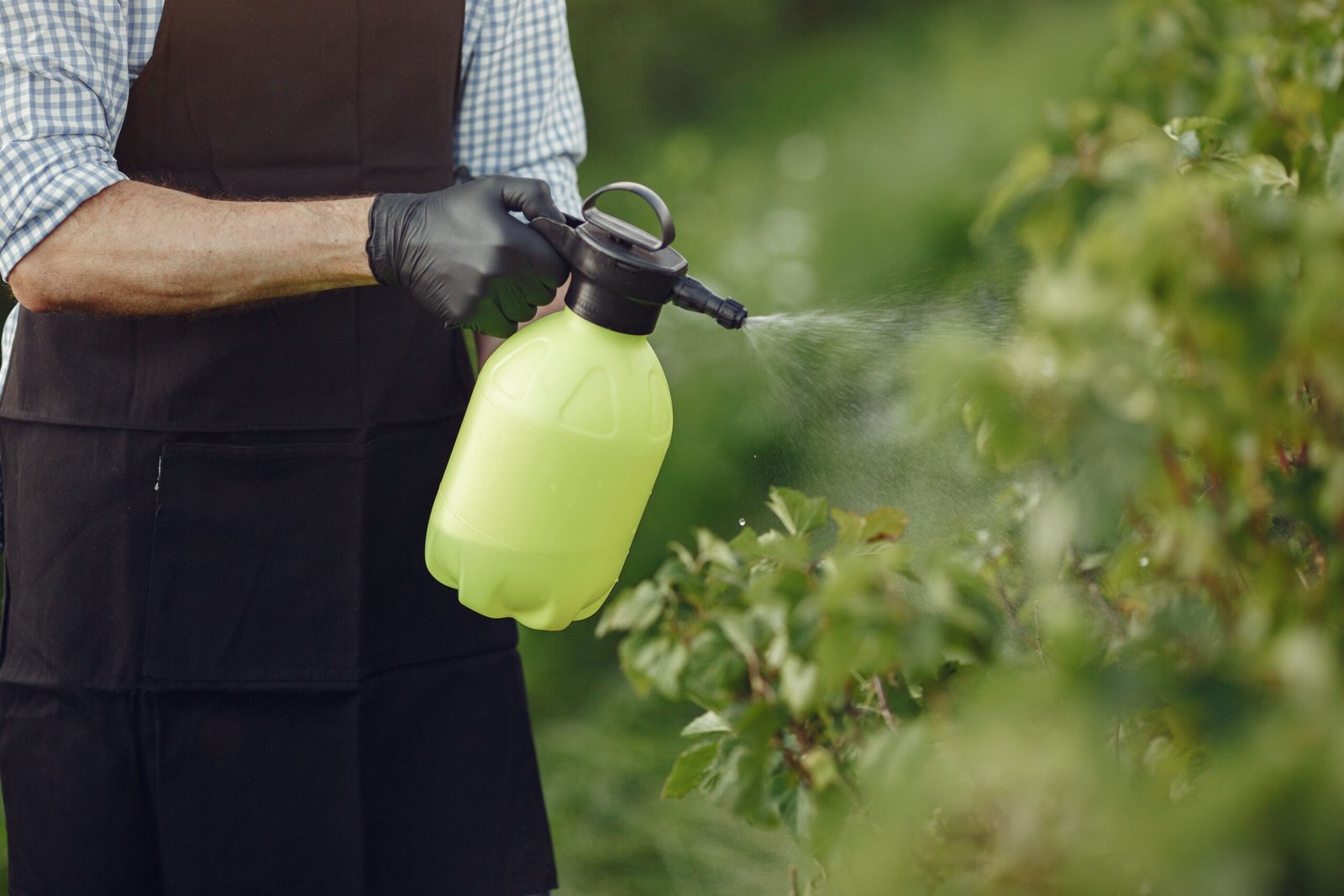
Problems can arise when a pesticide is used on an unsuitable crop, applied in excessive quantities, sprayed too frequently or used without observing the required interval before harvesting.
Residues cannot reliably be identified by looking at a fruit or vegetable. Produce that appears fresh and clean may still contain chemical residues, while visible marks or imperfections do not necessarily indicate pesticide contamination.
This is why laboratory testing and effective regulatory oversight are essential for food safety.
What Do Recent Pesticide Tests in Mauritius Reveal?
Recent reports from Mauritius have highlighted concerns about pesticide use in locally produced and imported fruits and vegetables.
According to a report published by L’Express on 21 October 2026, a June monitoring report examined 44 samples collected from farms, auction markets and supermarkets. The findings identified six samples exceeding regulatory residue limits, while 20 samples contained substances reported as not recommended for the crops concerned.
One reported example involved a chilli sample collected in Triolet, in which chlorothalonil was measured at 3.175 mg/kg against a maximum residue limit of 0.01 mg/kg. The report also identified exceedances in other produce, including okra, courgettes, cabbage and pineapple.
These findings concern the samples tested, not every item of produce sold in Mauritius. They nevertheless demonstrate why regular monitoring and appropriate enforcement are important.
A separate national monitoring programme covering January to October 2025 analysed 787 fruit and vegetable samples. According to results reported by the authorities:
- 65.39% had no detectable pesticide residues.
- 13.62% contained residues within the applicable maximum limits.
- 5.45% exceeded maximum residue limits.
- 16.18% contained residues classified as not recommended for the crops concerned.
These categories describe different testing outcomes and should not be treated as interchangeable. A detectable residue does not automatically mean that food is unsafe, while a substance being detected on a crop for which it is not recommended raises a separate compliance concern.
The results underline the need for continued testing, transparent reporting and follow-up where non-compliance is identified.
How Can Pesticide Residues Affect Human Health?
The health effects of pesticides vary considerably. Different chemicals have different toxicological properties, and the level of risk depends on the substance, dose, duration of exposure and route through which it enters the body.
Short-term health effects
Exposure to sufficiently high levels of certain pesticides can cause acute poisoning. Depending on the chemical and the amount involved, symptoms may include nausea, vomiting, dizziness, headaches, breathing difficulties or irritation of the eyes and skin.
These effects are more commonly associated with significant exposure, including accidental ingestion or occupational contact, than with ordinary exposure to food residues that comply with safety standards.
Anyone who suspects pesticide poisoning should seek urgent medical advice and avoid attempting to treat a serious exposure at home.
Potential long-term effects
Long-term exposure to certain pesticides has been associated with health concerns, including effects on the nervous system, reproduction and some cancers. The strength of the evidence differs by chemical and exposure level.
However, detecting a pesticide residue in a food sample does not establish that eating that food will cause illness. Assessing risk requires information about the chemical, its concentration, how frequently the food is consumed and the overall exposure.
In Mauritius, officials have called for a stronger scientific assessment of pesticide exposure and its possible contribution to the country’s health burden. A causal link between pesticide residues in food and cancer rates cannot be established from residue-monitoring results alone.
Further epidemiological research and exposure assessment are needed to investigate such questions responsibly.
What Do Maximum Residue Limits Mean?
A maximum residue limit (MRL) is the highest legally permitted concentration of a pesticide residue in a particular food under the applicable regulatory framework.
These limits are generally based on approved agricultural practices and assessments intended to protect consumers. International bodies, including the World Health Organization and the Food and Agriculture Organization, contribute to the scientific evaluation of pesticide risks and food standards.
An MRL is not a simple dividing line between a harmless and a poisonous food item. Exceeding a limit indicates non-compliance and warrants investigation, but the actual health risk also depends on the substance and the level and pattern of exposure.
Likewise, a result within the limit does not mean that pesticide management can be neglected. Responsible use, reliable testing and compliance with approved instructions remain essential.
Mauritius’s Pesticides Regulatory Office monitors residues in produce and works with the relevant laboratory and agricultural authorities to assess compliance.
Which Fruits and Vegetables Should Consumers Be Careful About?
The recent findings included several types of locally grown produce, with some non-compliant results also reported in imported products. Examples mentioned in monitoring reports included chillies, courgettes, okra, cabbage, lettuce, coriander and certain fruits.
This does not mean these foods should automatically be avoided. The results relate to specific samples collected at particular locations and times, and they do not establish that all produce of the same type is contaminated.
Consumers should instead focus on sensible food-safety practices:
- Buy fruits and vegetables from reputable sellers who follow food-safety requirements.
- Wash produce thoroughly under clean running water before eating or preparing it.
- Remove damaged or spoiled portions and discard produce that appears unsafe.
- Follow official food-safety advisories or product-specific warnings when authorities issue them.
- Maintain a varied diet rather than relying heavily on one type of fruit or vegetable.
Washing can reduce some surface residues and help remove dirt and microorganisms, but it cannot guarantee the removal of every pesticide. Some chemicals may penetrate the skin or remain within plant tissues.
Peeling certain fruits and vegetables may further reduce some residues, although it can also remove fibre and nutrients found in the skin.
How to Wash Fruits and Vegetables Properly
Washing produce is a practical step that households can take to improve food hygiene.
1. Wash your hands first. Use soap and clean water before handling fresh produce.
2. Rinse under running water. Rub fruits and vegetables gently with your hands to help remove dirt and surface contaminants.
3. Clean firm produce carefully. Use a clean produce brush for firm items such as potatoes or cucumbers, where appropriate.
4. Remove outer leaves when suitable. For vegetables such as cabbage or lettuce, discard damaged outer leaves and rinse the remaining leaves thoroughly.
5. Dry with a clean towel. This helps remove remaining moisture and can reduce some surface contamination.
Do not wash fruits and vegetables with household bleach, dishwashing liquid, laundry detergent or other cleaning chemicals. These products are not intended for cleaning food and may leave harmful residues.
Washing is a useful precaution, but it is not a substitute for responsible pesticide use and effective regulatory monitoring.
What Is the Government Doing About Pesticide Residues?
Mauritius has a national pesticide-residue monitoring programme that collects samples from different points in the food supply chain, including farms, markets, supermarkets and ports of entry.
Samples are analysed through the relevant laboratory services, including the Food Technology Laboratory. Where results indicate a breach of applicable limits or the presence of substances not recommended for a crop, the Pesticides Regulatory Office can pursue follow-up measures, including improvement notices, additional sampling and engagement with growers.
In October 2026, the Ministry of Agro-Industry, Food Security, Blue Economy and Fisheries also highlighted plans to strengthen the regulatory framework and improve responsible pesticide use. Proposed regulations covered areas such as maximum residue limits, sampling procedures, pesticide application and the disposal of empty containers, as well as training and certification for pesticide users.
Authorities have also emphasised farmer education and good agricultural practices. Training, appropriate application methods and better awareness can help reduce misuse while allowing farmers to protect their crops.
Effective implementation will be important. Regular inspections, accessible test results, appropriate enforcement and clear communication with consumers can help build confidence in the food supply.
Why Farmers Need Better Pesticide Management
Farmers are central to efforts to reduce pesticide residues. They must balance crop protection with consumer safety, environmental protection and the economic realities of agricultural production.
Using more pesticide than necessary does not guarantee better yields. Incorrect application can create avoidable residue problems, increase costs and expose farm workers and surrounding communities to chemicals.
Good agricultural practices include using registered products approved for the crop, following label instructions, observing the recommended dosage and respecting the interval between application and harvest.
Integrated pest management can also help. This approach combines monitoring, crop rotation, physical controls, biological methods and carefully selected pesticide applications to manage pests while reducing unnecessary chemical use.
Farmers should receive practical training and access to appropriate technical advice so that safer methods are realistic and affordable.
The Environmental Side of Pesticide Use
Pesticide misuse can affect more than the food that reaches consumers. Depending on the chemical and how it is applied, residues may enter soil, water and nearby habitats.
Non-target organisms, including beneficial insects and other wildlife, can also be affected. Poor handling and disposal of pesticide containers may create additional environmental risks.
Reducing unnecessary pesticide use, following application instructions and disposing of containers through approved systems can help limit these impacts.
More sustainable agricultural practices can support both food production and environmental protection, provided they are implemented with suitable technical guidance and monitoring.
How Consumers Can Stay Informed
Consumers do not need to become pesticide experts to make sensible food choices. They can follow updates from Mauritius’s relevant ministries and the Pesticides Regulatory Office, especially when new monitoring results or food-safety notices are published.
The government’s pesticide-residue reporting resources provide information on the monitoring programme and its findings. Consumers can consult the official Pesticide Residue Report page for available reports.
When interpreting results, it is useful to check the report date, the type of produce tested, the number of samples and whether the findings concern detectable residues, exceedances of maximum limits or substances not recommended for a particular crop.
These distinctions help prevent unnecessary alarm while keeping attention on genuine food-safety concerns.
Final Thought
Pesticide residues deserve serious attention in Mauritius, particularly when laboratory tests identify produce that does not comply with the applicable standards. However, the findings should be interpreted carefully: a residue detection is not automatically proof of harm, and the results from selected samples do not represent every fruit or vegetable on sale.
Consumers can reduce some risks by washing produce correctly and following official advice, while farmers, suppliers and regulators must ensure pesticides are used responsibly and food is tested effectively. Continued monitoring, transparent reporting and stronger scientific research will be essential to protecting public health and maintaining confidence in Mauritius’s food supply.
How Does Mauritius Ranking Work?
Our rankings are based on various factors, including ratings, customer reviews, reputation, service quality, relevance, and other relevant criteria. The factors considered may vary depending on the business category, ensuring that each category is evaluated using criteria relevant to its nature and services.
View Ranking MethodologyEnjoying Mauritius Ranking?
If you find our local guides and rankings helpful, add Mauritius Ranking as a Preferred Source on Google to see more of our latest content.
Found this article useful?
If this content helped you, you may support the developer by contributing the cost of a coffee.
Pay $5
