
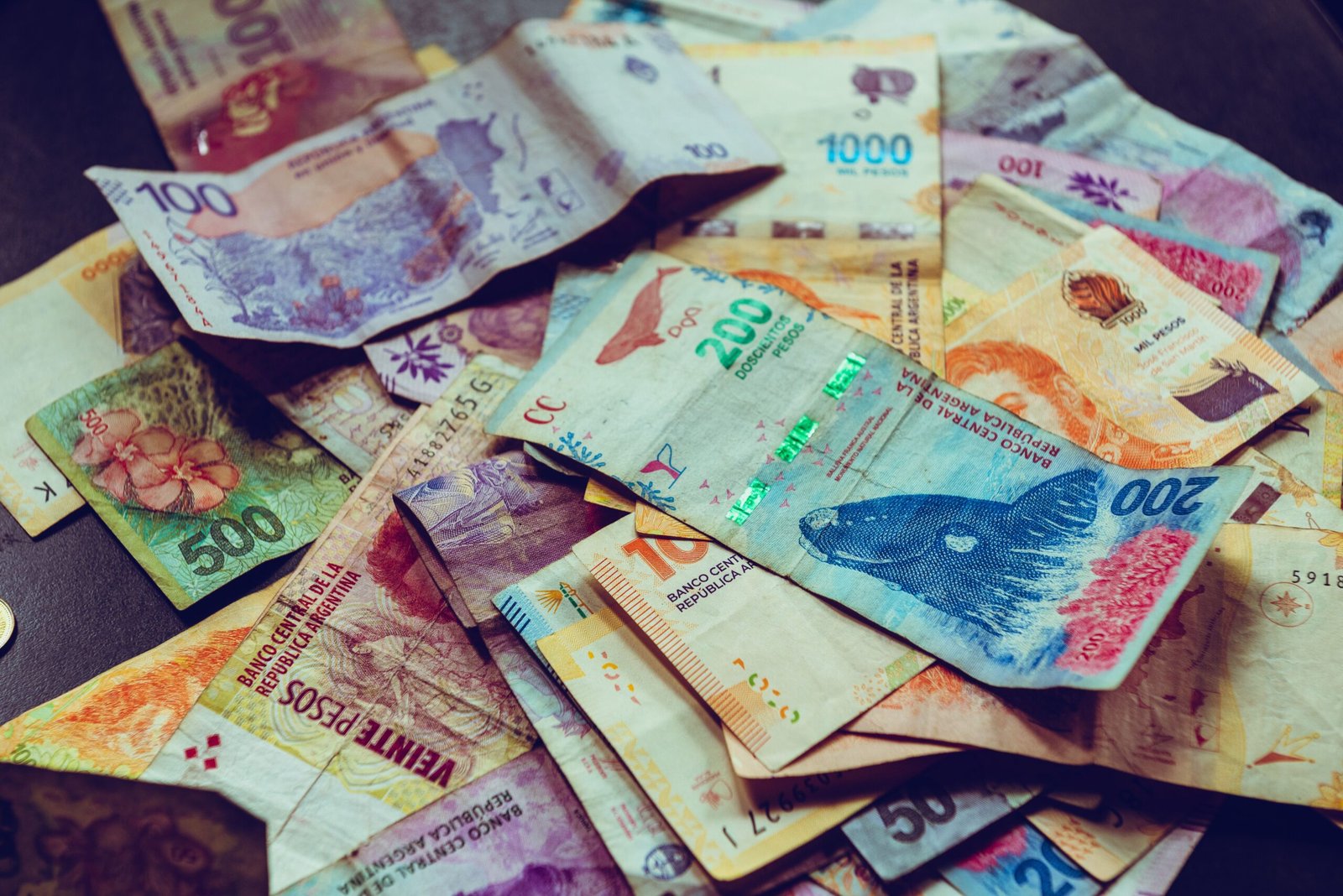
Planning a trip to Mauritius involves more than booking flights and accommodation. Understanding the local currency, exchange rates, payment options and foreign-currency rules can make it much easier to manage expenses after arriving on the island.
The official currency of Mauritius is the Mauritian Rupee (MUR). One Mauritian Rupee is divided into 100 cents. Foreign visitors can bring major international currencies such as US dollars, euros, British pounds, Indian rupees, Australian dollars and South African rand and exchange them through authorised banks and foreign-exchange dealers. Major cards are also widely used in hotels, resorts, restaurants, shops and tourist areas.
Because exchange rates change continuously, travellers should check the rate shortly before exchanging money rather than relying on an old conversion shown on a travel website. The Bank of Mauritius publishes indicative rates supplied by local banks and foreign-exchange dealers.
1. What Is the Currency of Mauritius?
The Mauritian Rupee, abbreviated as MUR, is the official currency used throughout Mauritius.
Currency is commonly written as:
- MUR
- Rs
- ₨ in some representations
The Mauritian Rupee is the currency travellers should expect to use for everyday purchases such as:
- Food and drinks
- Local transport
- Taxis
- Bus fares
- Souvenirs
- Small shops
- Markets
- Attractions
- Tips
- Personal expenses
Foreign currencies are not a substitute for MUR in every situation. Although US dollars and euros may be accepted by some hotels and tourist businesses, particularly in international tourism areas, visitors should not assume that every local merchant will accept foreign notes.
The Mauritius Tourism Promotion Authority also advises that the Mauritian Rupee is the local currency and notes that ATMs and currency-exchange facilities are available, including at the airport.
2. Types of Currency You May Use in Mauritius
There are several ways travellers can manage money during a Mauritius trip.
A. Mauritian Rupee cash
This is the primary physical currency for everyday spending.
It is particularly useful for:
- Small purchases
- Local markets
- Street food
- Buses
- Small businesses
- Tips
- Rural areas
- Emergency expenses
Carrying a reasonable amount of MUR can therefore be useful even if most of your accommodation and activities are prepaid.
B. Foreign currency cash
Visitors may bring foreign currency and exchange it after arriving.
Commonly exchanged currencies include:
- USD – United States Dollar
- EUR – Euro
- GBP – British Pound
- INR – Indian Rupee
- AUD – Australian Dollar
- CAD – Canadian Dollar
- ZAR – South African Rand
- CHF – Swiss Franc
- CNY – Chinese Yuan
- AED – UAE Dirham
- SGD – Singapore Dollar
- JPY – Japanese Yen
- NZD – New Zealand Dollar
- SAR – Saudi Riyal
- HKD – Hong Kong Dollar
For example, Thomas Cook Mauritius currently lists 16 currencies for its foreign-exchange service, including USD, EUR, GBP, INR, CNY, AUD, CAD, AED, SGD, ZAR and others.
C. Debit and credit cards
International Visa and Mastercard cards can be used extensively in Mauritius, particularly at hotels, resorts, larger restaurants, shopping centres and established businesses.
However, travellers should still carry some MUR because smaller merchants may prefer cash.
D. ATMs
ATMs are available at the international airport and in major towns and tourist areas. US travel guidance notes that Mauritian ATMs dispense Mauritian Rupees.
3. Country-Wise Currency Requirements for Travelling to Mauritius
There is no single foreign currency that every international visitor must carry. The practical requirement is to have access to enough money for accommodation, transportation, food, activities and emergencies.
The following table provides a useful planning guide.
| Traveller’s Country | Domestic Currency | Currency Commonly Brought | Recommended Approach |
|---|---|---|---|
| India | INR | INR / USD | Exchange INR through an authorised dealer or carry an internationally usable card |
| United States | USD | USD | Exchange USD into MUR or withdraw MUR locally |
| United Kingdom | GBP | GBP | Exchange GBP into MUR or use international cards |
| Eurozone | EUR | EUR | EUR is widely exchanged; convert to MUR as required |
| Australia | AUD | AUD | Exchange AUD or use card/ATM |
| Canada | CAD | CAD | Exchange CAD or use card/ATM |
| South Africa | ZAR | ZAR | Exchange ZAR or use card/ATM |
| UAE | AED | AED | Exchange AED or use an international card |
| Singapore | SGD | SGD | Exchange SGD or use card/ATM |
| China | CNY | CNY / international card | Confirm exchange availability before travelling |
| Japan | JPY | JPY / international card | Exchange through an authorised provider |
| Switzerland | CHF | CHF | Exchange CHF or use card/ATM |
| New Zealand | NZD | NZD | Exchange NZD or use card/ATM |
| Malaysia | MYR | MYR | Check dealer availability before travel |
| Hong Kong | HKD | HKD | Exchange through authorised providers |
4. Currency Requirements for Indian Travellers
India is particularly relevant because Mauritius receives visitors from India and Indian Rupees are handled by some Mauritian foreign-exchange providers.
Indian travellers can consider three options:
Option 1: Carry INR and exchange it
Some authorised foreign-exchange providers in Mauritius handle INR. Thomas Cook Mauritius, for example, currently lists INR among the currencies available for exchange.
Before exchanging, compare:
- Buy rate
- Sell rate
- Service charges
- Minimum transaction requirements
- Availability of physical currency
Option 2: Carry USD
Some travellers prefer carrying a widely traded international currency and exchanging it into MUR after arrival.
This can be convenient, but travellers should compare the total cost of:
INR → USD → MUR
against:
INR → MUR
because two conversions can introduce additional spreads and charges.
Option 3: International debit or credit card
A suitable international card can reduce the need to carry large amounts of cash. Travellers should check their Indian bank’s:
- Foreign transaction fee
- Currency conversion markup
- ATM withdrawal fee
- Daily withdrawal limit
- International usage settings
before departure.
5. Currency Requirements for UK Travellers
Travellers from the United Kingdom generally have access to GBP, which is one of the major foreign currencies traded in Mauritius.
GBP can be exchanged for MUR through authorised banks and foreign-exchange dealers.
The Bank of Mauritius publishes GBP/MUR indicative rates, while authorised dealers may quote their own retail rates.
Travellers should compare the actual rate offered rather than assuming that the online mid-market rate is the rate they will receive.
6. Currency Requirements for European Travellers
Euro is another major currency used for foreign-exchange transactions in Mauritius.
Travellers from countries such as:
- France
- Germany
- Italy
- Spain
- Belgium
- Netherlands
- Portugal
- Ireland
- Austria
can generally plan their currency budget around EUR and then convert part of their funds into MUR.
The exact exchange rate depends on the provider, transaction type and market conditions.
7. Currency Requirements for US Travellers
US travellers can bring USD and exchange it into MUR through authorised providers.
The USD/MUR rate is particularly important because the US dollar is one of the currencies for which the Bank of Mauritius publishes daily indicative retail and dealt rates.
As with other currencies, visitors should compare:
Provider exchange rate + fees + final amount received
rather than comparing only the advertised exchange rate.
8. Currency Requirements for African Travellers
Travellers from South Africa may carry ZAR, which is also quoted by Mauritian foreign-exchange providers.
Similarly, travellers from other African countries should check whether their domestic currency is directly exchangeable in Mauritius.
If a less commonly traded currency is difficult to exchange, using an internationally traded currency or an appropriate international payment card may provide greater flexibility.
9. How Much Cash Should You Carry in Mauritius?
There is no universal cash amount that works for every visitor.
A traveller staying at an all-inclusive resort with prepaid tours will have different cash requirements from someone travelling independently.
A practical approach is to divide your travel money into three categories:
Daily cash
For:
- Food
- Transport
- Small purchases
- Tips
- Markets
Card budget
Use cards for:
- Hotels
- Restaurants
- Shopping
- Larger activities
- Car rentals where accepted
Emergency reserve
Keep a separate amount for:
- Unexpected transport
- Medical or pharmacy expenses
- Emergency accommodation
- Lost-card situations
- Other unforeseen costs
Avoid carrying all your travel money in one wallet.
10. Should You Exchange Money Before or After Arriving in Mauritius?
Both options are possible.
Some travellers exchange a small amount before departure so they have emergency cash on arrival.
Others exchange most of their foreign currency after reaching Mauritius.
Mauritius’ tourism authority notes that ATMs and currency-exchange desks are available at the airport, while its visitor guidance states that travellers generally may find better rates after arriving on the island.
The best approach can depend on:
- Your home-country exchange rate
- Airport exchange rate
- Local dealer rate
- Bank fees
- Card fees
- Amount being exchanged
Do not exchange your entire budget at the first counter without checking the rate.
11. Understanding Buy and Sell Rates
One of the most important concepts in currency exchange is the difference between buying and selling rates.
Suppose a dealer displays:
USD – Buy: Rs 46.80
USD – Sell: Rs 49.57
The dealer’s buying rate is the rate at which it buys USD from the customer, while the selling rate is the rate at which it sells USD to the customer.
Thomas Cook Mauritius publishes indicative rates and specifically warns that rates can change without notice.
The Bank of Mauritius similarly explains that local banks and forex dealers submit indicative rates and that different rates can apply to transfers, drafts and physical notes.
12. Currency Exchange at Banks
Banks can be useful for travellers who prefer regulated financial institutions.
The Bank of Mauritius maintains information on licensed banks and foreign-exchange businesses operating in Mauritius.
Examples of established banking institutions include:
- The Mauritius Commercial Bank (MCB)
- Absa Bank Mauritius
- SBI Mauritius
- SBM Bank Mauritius
- AfrAsia Bank
- Bank One
- Bank of Baroda
- HSBC Mauritius
MCB provides a currency-conversion tool and publishes indicative forex information, while also offering foreign-currency accounts in currencies such as GBP, USD, EUR, AUD and ZAR.
13. Foreign-Exchange Companies in Mauritius
Specialist foreign-exchange dealers can be useful for visitors who specifically need cash exchange or international currency services.
Thomas Cook Mauritius
Thomas Cook Mauritius offers foreign-currency buying and selling, money-transfer services and other foreign-exchange solutions.
The company states that it has 15 locations around Mauritius, including airport branches, and identifies itself as an authorised foreign-exchange dealer.
Its listed currencies include USD, EUR, GBP, INR, CNY, AUD, CAD, AED, SGD, ZAR, CHF, JPY, NZD, SAR, HKD and MYR.
Other licensed foreign-exchange businesses
The Bank of Mauritius publishes lists of licensed money changers and foreign-exchange dealers. Its published list includes businesses such as British American Exchange, Change Express, Shibani Finance, Swan Forex and Thomas Cook Mauritius, among others.
Travellers should always confirm that a provider is currently licensed before conducting a substantial transaction.
14. Currency Exchange for Businesses
Currency requirements are different for tourists and businesses.
Mauritian companies dealing internationally may need:
- Foreign-currency accounts
- International transfers
- Spot FX
- Forward contracts
- Treasury services
- Foreign-currency deposits
- Currency-risk management
MCB Treasury, for example, provides FX spot transactions and structured FX products for corporate customers.
Thomas Cook Mauritius also provides treasury services, including spot and forward deals, for eligible corporate requirements.
Businesses handling large transactions should obtain professional advice rather than treating a tourist exchange rate as an appropriate corporate FX rate.
15. Currency Requirements for Students and Long-Term Visitors
Students, expatriates and people staying in Mauritius for extended periods may have different requirements from tourists.
They may need:
- A local bank account
- International money transfers
- Foreign-currency accounts
- Proof of identity
- Proof of address
- Documentation related to their residence or study status
For example, MCB states that applicants for its foreign-currency accounts may need identification and proof of address.
Requirements can vary according to the institution and customer status, so applicants should confirm the documentation directly with the bank.
16. Can You Use US Dollars and Euros Directly?
Sometimes, but it should not be your primary assumption.
US dollars and euros may be accepted at some major tourist hotels and shops.
However, local merchants may quote prices in MUR and may not accept foreign notes.
If a business accepts USD or EUR, its own conversion rate may also differ from the rate offered by a bank or authorised dealer.
For this reason, paying in MUR can often make the transaction easier to understand.
17. Using Credit and Debit Cards in Mauritius
Cards are useful for reducing the amount of cash you need to carry.
Before travelling, check:
- Whether international transactions are enabled
- Foreign-currency conversion fees
- ATM fees
- Daily limits
- Contactless-payment availability
- Fraud protection
- Emergency card replacement procedures
It is also sensible to carry a second payment method.
For example:
Card 1 + Card 2 + MUR cash + emergency reserve
can provide more flexibility than relying on one card.
18. Currency and ATM Safety Tips
When withdrawing MUR:
- Use ATMs operated by recognised financial institutions.
- Check the amount before confirming the transaction.
- Keep your card and cash secure.
- Monitor bank notifications.
- Avoid displaying large amounts of cash in public.
- Keep emergency funds separately.
- Contact your bank immediately if your card is lost.
Travellers should also be careful with unofficial currency-exchange offers. Using a licensed bank or foreign-exchange dealer provides a clearer record of the transaction.
19. Mauritius Currency Declaration Rules
Currency declaration is an important issue for travellers carrying large amounts of money.
The Mauritius Revenue Authority states that a person physically transporting more than Rs 500,000, or the equivalent in foreign currency, into or out of Mauritius must make a declaration to Customs. This applies to currency and bearer negotiable instruments and certain high-value items covered by the relevant rules.
For departures, the MRA specifically states that currency or bearer negotiable instruments exceeding Rs 500,000 or its foreign-currency equivalent must be declared before immigration formalities.
Travellers should retain documentation relating to significant currency transactions.
Failure to make a required declaration, or making a materially false or misleading declaration, can result in serious penalties under the applicable legislation.
20. Large Foreign-Currency Transactions
Large transactions can also trigger reporting requirements for financial institutions.
The Mauritius Revenue Authority states that banks and licensed money changers/exchange dealers have reporting obligations concerning certain foreign-currency transactions of Rs 100,000 or more in a single transaction, subject to the applicable rules and exemptions.
This does not mean that an ordinary traveller cannot exchange money.
It means that larger foreign-currency transactions can involve identification and reporting procedures.
Customers should therefore be prepared to provide appropriate identification when requested.
21. Currency Exchange vs ATM Withdrawal
Both options have advantages.
| Option | Advantages | Things to Check |
|---|---|---|
| Cash exchange | Immediate MUR | Exchange spread and service fees |
| ATM withdrawal | Convenient | ATM and bank charges |
| Credit card | Convenient for larger purchases | Foreign transaction fees |
| Debit card | Direct account access | Conversion and withdrawal fees |
| Airport exchange | Convenient on arrival | Rate may differ from other providers |
| Bank exchange | Regulated institution | Opening hours and documentation |
| Forex dealer | Specialist exchange service | Compare rates and fees |
The cheapest option is not necessarily the same for every traveller because fees imposed by the traveller’s home bank can significantly affect the final cost.
22. How to Get the Best Currency Exchange Rate
Rather than looking for a single “best” exchange counter, compare the complete transaction.
Check:
Exchange rate + commission + service fee + card/ATM charges = actual cost
For example, a provider advertising a slightly better exchange rate may still cost more if it adds a substantial service fee.
The Bank of Mauritius publishes indicative rates from local banks and forex dealers, making it a useful reference point before making a larger exchange.
23. Mauritius Currency Checklist for 2026 Travellers
Before travelling to Mauritius, consider this checklist:
Before departure
- Check the current MUR exchange rate.
- Check your bank’s foreign transaction fees.
- Enable international card usage if required.
- Carry a backup payment method.
- Exchange a small amount for immediate expenses.
- Check your country’s rules for taking currency abroad.
On arrival
- Keep some MUR cash available.
- Compare exchange rates before changing a large amount.
- Use authorised banks or foreign-exchange dealers.
- Keep exchange receipts for significant transactions.
- Use cards for suitable larger purchases.
Before leaving Mauritius
- Check how much MUR you have remaining.
- Convert excess MUR if practical.
- Keep records for large currency transactions.
- Declare amounts above the applicable Customs threshold.
24. Companies and Organisations That Can Help With Currency Guidance
For reliable information, travellers should distinguish between regulators, banks and commercial exchange providers.
Bank of Mauritius
The Bank of Mauritius is the country’s central bank and provides published information on indicative foreign-exchange rates and licensed financial institutions. Its exchange-rate information is particularly useful for checking the general market before making a transaction.
Mauritius Revenue Authority
The Mauritius Revenue Authority (MRA) provides official information about currency declarations and physical transportation of currency across Mauritius’ borders.
Mauritius Tourism Promotion Authority
The Mauritius Tourism Promotion Authority provides visitor information covering currency, payment methods and other practical travel matters.
MCB
MCB provides banking and foreign-exchange services, including an online currency converter and foreign-currency accounts.
Thomas Cook Mauritius
Thomas Cook Mauritius provides foreign-currency exchange, money-transfer services and treasury-related solutions. It operates multiple branches around the island, including at SSR International Airport.
Other licensed institutions
The Bank of Mauritius maintains published lists of licensed banks, money changers and foreign-exchange dealers. Visitors should use those lists when checking whether a provider is authorised.
25. Frequently Asked Questions About Mauritius Currency
What currency is used in Mauritius?
The official currency is the Mauritian Rupee (MUR), divided into 100 cents.
Can I use Indian Rupees in Mauritius?
INR can be exchanged through some authorised foreign-exchange providers. Thomas Cook Mauritius currently lists INR among its supported currencies.
Can I use US dollars in Mauritius?
Some tourist businesses accept USD, but MUR remains the official local currency. Visitors should not rely entirely on USD for everyday purchases.
Can I use euros in Mauritius?
Euros can be exchanged into MUR and may be accepted by some tourist businesses.
Are credit cards accepted?
Visa and Mastercard are widely used in hotels, resorts, cities and tourist areas.
Are ATMs available?
Yes. ATMs are available at the international airport and in various locations around Mauritius.
How much cash can I take into or out of Mauritius?
Amounts exceeding Rs 500,000 or the equivalent in foreign currency are subject to Customs declaration requirements under the applicable rules.
Where should I exchange foreign currency?
Use an authorised bank, money changer or foreign-exchange dealer. Compare the rate and total charges before completing the transaction.
Do exchange rates stay the same throughout the day?
No. Foreign-exchange rates can change, and different providers can quote different retail rates.
Final Thought
Understanding the Mauritius currency system in 2026 can help visitors avoid unnecessary exchange costs and payment problems. The Mauritian Rupee remains the country’s official currency, while international currencies such as USD, EUR, GBP, INR, AUD and ZAR can be exchanged through authorised providers.
For most travellers, a combination of MUR cash, an international debit or credit card and an emergency payment option provides practical flexibility. Before exchanging a large amount, compare the rate offered by banks and authorised forex dealers with the current indicative information published by the Bank of Mauritius.
Most importantly, travellers carrying substantial amounts of cash should understand Mauritius’ Rs 500,000 currency-declaration threshold and check the latest requirements with the Mauritius Revenue Authority before travelling.
Editorial note: Exchange rates, bank fees, foreign-exchange availability and regulatory requirements can change. The figures and provider information above are based on information available in September 2026; travellers should verify the latest rate and requirements directly with the relevant bank, authorised foreign-exchange dealer, Bank of Mauritius or Mauritius Revenue Authority before making a transaction.
How Does Mauritius Ranking Work?
Our rankings are based on various factors, including ratings, customer reviews, reputation, service quality, relevance, and other relevant criteria. The factors considered may vary depending on the business category, ensuring that each category is evaluated using criteria relevant to its nature and services.
View Ranking MethodologyEnjoying Mauritius Ranking?
If you find our local guides and rankings helpful, add Mauritius Ranking as a Preferred Source on Google to see more of our latest content.
Found this article useful?
If this content helped you, you may support the developer by contributing the cost of a coffee.
Pay $5
