
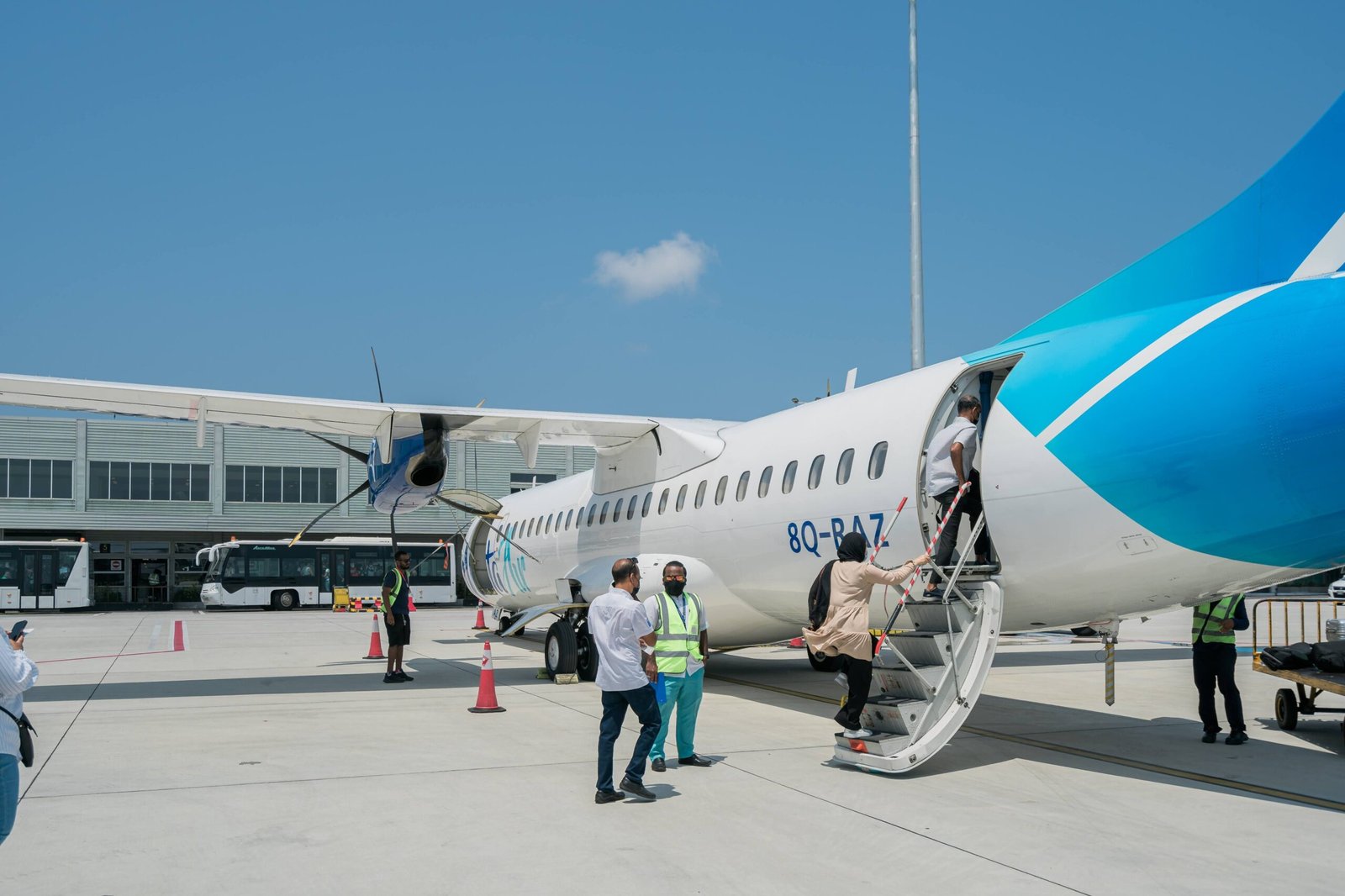
Airlink is set to strengthen regional air connectivity in the Indian Ocean by launching two weekly nonstop flights between Cape Town and Mauritius, a move expected to significantly boost tourism, business travel, and economic ties between Southern Africa and Mauritius.
The new direct service represents a major development for regional aviation and tourism industries, particularly as Mauritius continues expanding its international air access strategy to attract:
- More tourists
- Business investors
- Luxury travelers
- Digital nomads
- Regional corporate visitors
The route is also expected to strengthen Mauritius’ position as one of the leading leisure and business destinations in the Indian Ocean region.
Direct Flights to Improve Regional Connectivity
The introduction of nonstop Cape Town–Mauritius flights marks an important improvement in regional travel convenience.
Previously, many passengers traveling between Cape Town and Mauritius often relied on:
- Connecting flights
- Multi-stop itineraries
- Longer travel times
The new nonstop service will:
- Reduce journey duration
- Improve passenger convenience
- Increase tourism accessibility
- Strengthen trade and business mobility
Regional aviation analysts say direct connectivity plays a critical role in:
- Tourism growth
- Investment flows
- Corporate travel
- International partnerships
The route is therefore expected to generate benefits beyond tourism alone.
Two Weekly Flights Planned
According to airline industry reports, Airlink plans to operate:
- Two nonstop weekly flights
between Cape Town and Mauritius.
The schedule is expected to target:
- Holiday travelers
- Weekend tourism markets
- Business travelers
- Seasonal vacation demand
The airline reportedly selected the twice-weekly frequency based on:
- Current market demand
- Tourism forecasts
- Operational efficiency
- Passenger growth potential
Industry observers believe the service could potentially expand further if passenger demand strengthens over time.
Mauritius Tourism Sector Expected to Benefit
Tourism remains one of Mauritius’ most important economic sectors.
The country continues attracting international visitors through:
- Luxury resorts
- Beaches
- Honeymoon tourism
- Golf tourism
- Wellness travel
- Eco-tourism experiences
South Africa represents an increasingly important tourism source market for Mauritius.
Improved direct access from Cape Town may help attract:
- High-spending tourists
- Luxury travelers
- Family vacation groups
- Adventure tourists
Tourism stakeholders believe easier travel access often directly influences destination competitiveness.
Cape Town Seen as Strategic Market
Cape Town remains one of Africa’s most internationally connected and economically significant cities.
The city attracts:
- International tourists
- Business executives
- Remote workers
- Luxury travelers
Cape Town travelers often seek premium holiday destinations within relatively short flight distances.
Mauritius offers strong appeal due to:
- Tropical climate
- Luxury hospitality sector
- Political stability
- High-end tourism experiences
The direct route therefore targets a potentially strong premium travel market.
Business and Investment Links Could Expand
The new air connection may also strengthen business and commercial relations between Mauritius and South Africa.
Both countries maintain growing ties involving:
- Financial services
- Tourism investment
- Trade
- Corporate operations
- Regional business partnerships
Improved connectivity often supports:
- Faster business travel
- Investment meetings
- Corporate expansion
- Regional economic integration
Mauritius continues positioning itself as:
- A financial gateway into Africa
- A regional business hub
- A strategic investment platform
Direct flights can therefore help strengthen broader economic cooperation.
Airlink Expanding Regional Aviation Presence
Airlink continues expanding its regional African aviation network as demand for intra-African travel increases.
The airline has built a reputation for:
- Regional connectivity
- Efficient operations
- Southern African routes
- Partnership networks
The Mauritius route aligns with broader trends involving:
- Increased African tourism mobility
- Regional business travel growth
- Demand for direct flight connections
African aviation analysts note that intra-African connectivity remains underdeveloped compared to other global regions.
New direct routes can therefore significantly improve regional integration.
Mauritius Airport and Aviation Sector Growing
The new service also reflects Mauritius’ broader aviation expansion strategy.
Sir Seewoosagur Ramgoolam International Airport continues strengthening its role as a regional aviation gateway handling:
- International tourism arrivals
- Regional flights
- Cargo operations
- Business travel
Mauritian authorities continue investing in:
- Airport modernization
- Passenger services
- Aviation partnerships
- Route expansion
Improved air connectivity remains essential for an island economy heavily dependent on:
- Tourism
- International trade
- Foreign investment
South African Travelers Increasingly Important
South African tourists have become an increasingly important market for Mauritius.
Travelers from South Africa are often attracted by:
- Beach holidays
- Luxury resorts
- Honeymoon packages
- Family vacations
- Golf and wellness tourism
Direct flights from Cape Town may increase visitor numbers by:
- Simplifying travel planning
- Reducing transit inconvenience
- Offering greater scheduling flexibility
Tourism operators expect the new route to support:
- Hotel occupancy
- Resort bookings
- Local tourism activity
Economic Benefits Expected Across Multiple Sectors
The new air route may create economic benefits across:
- Hospitality
- Transportation
- Retail
- Tourism services
- Restaurants
- Local businesses
Increased visitor arrivals can support:
- Employment
- Foreign exchange earnings
- Small business growth
- Tourism investment
Tourism contributes significantly to Mauritius’ GDP and employment levels, making improved connectivity economically important.
Luxury Tourism Market Could Grow
Mauritius continues focusing heavily on premium and luxury tourism segments.
Cape Town’s affluent travel market aligns well with Mauritius’ positioning as:
- A luxury island destination
- A honeymoon hotspot
- A premium resort market
Travel industry experts believe direct access can help attract:
- Wealthier tourists
- Repeat travelers
- Long-stay visitors
Luxury tourism often generates higher per-visitor spending compared to mass tourism segments.
Seasonal Travel Demand May Increase
The route could also support stronger seasonal tourism flows between Southern Africa and Mauritius.
Travel demand may increase during:
- Holiday seasons
- School vacations
- Winter escape periods
- Honeymoon travel seasons
Mauritius’ tropical climate makes it especially attractive during cooler Southern African winter months.
Seasonal demand patterns may therefore strongly support the route’s commercial viability.
Aviation Recovery Continues Globally
The Airlink announcement reflects broader recovery trends within the global aviation industry following major disruptions in recent years.
Airlines worldwide continue:
- Restoring routes
- Expanding networks
- Increasing frequencies
- Exploring new regional markets
Tourism demand has recovered strongly in many destinations, particularly premium leisure markets.
Mauritius has benefited from renewed international travel demand as global tourism activity continues improving.
Regional Competition Increasing
Indian Ocean tourism destinations increasingly compete for:
- International tourists
- Airline partnerships
- Luxury travel markets
Improved air access often plays a major role in determining tourism competitiveness.
Mauritius continues competing with destinations such as:
- Seychelles
- Maldives
- Zanzibar
- Reunion Island
Expanding direct international routes therefore remains strategically important.
Environmental and Sustainability Questions Remain
As aviation expands globally, sustainability concerns also continue growing.
The airline industry faces increasing pressure regarding:
- Carbon emissions
- Environmental impact
- Sustainable aviation fuel
- Climate goals
Mauritius itself remains vulnerable to:
- Climate change
- Rising sea levels
- Environmental pressures
Future aviation growth may increasingly require balancing:
- Economic benefits
- Environmental sustainability
Tourism Operators Welcome Announcement
Hospitality groups and tourism operators have reportedly welcomed the Airlink route announcement.
Industry stakeholders believe the flights could:
- Increase bookings
- Improve occupancy rates
- Expand market reach
- Support tourism recovery
Hotels, resorts, and travel agencies often strongly support direct air connectivity because accessibility directly influences tourist decision-making.
Mauritius Strengthening Global Connectivity
Mauritius continues actively pursuing expanded international connectivity with:
- Africa
- Europe
- Asia
- Middle Eastern markets
Authorities recognize that improved connectivity supports:
- Tourism resilience
- Economic diversification
- Business development
- Investment attraction
The Airlink service forms part of broader efforts to strengthen Mauritius’ global accessibility.
Potential for Future Route Expansion
Industry analysts suggest the route could eventually expand if performance remains strong.
Possible future developments may include:
- Additional weekly frequencies
- Seasonal service increases
- Expanded airline partnerships
- Wider regional connectivity
Successful regional routes often encourage further aviation investment and route diversification.
Indian Ocean Tourism Integration Growing
The new service also reflects broader trends toward greater Indian Ocean regional tourism integration.
Countries increasingly seek:
- Multi-destination tourism packages
- Regional travel partnerships
- Improved aviation networks
Regional connectivity can strengthen tourism resilience by encouraging diversified visitor markets.
Conclusion
Airlink’s launch of two weekly nonstop flights between Cape Town and Mauritius represents an important development for regional aviation, tourism, and economic connectivity in the Indian Ocean region. The new route is expected to improve travel convenience, strengthen tourism flows, and support broader business and investment links between Mauritius and Southern Africa.
As Mauritius continues expanding its global tourism and aviation strategy, improved direct connectivity remains essential for maintaining competitiveness in the increasingly dynamic international travel market. The Cape Town route may therefore play a significant role in supporting tourism growth, economic activity, and regional integration in the years ahead.
With strong demand expected from leisure travelers, business passengers, and luxury tourism markets, the new Airlink service reflects growing confidence in Mauritius as a leading destination and regional hub within the Indian Ocean.
About the Author – Mauritius Ranker
Mauritius Ranker is a trusted digital media and analysis platform covering Mauritian tourism, aviation, business, public policy, infrastructure, economics, and regional developments. Through professional journalism, expert analysis, and in-depth reporting, Mauritius Ranker delivers reliable insights into the issues shaping Mauritius and the wider Indian Ocean region.
Enjoying Mauritius Ranking?
If you find our local guides and rankings helpful, add Mauritius Ranking as a Preferred Source on Google to see more of our latest content.
Found this article useful?
If this content helped you, you may support the developer by contributing the cost of a coffee.
Pay $5