
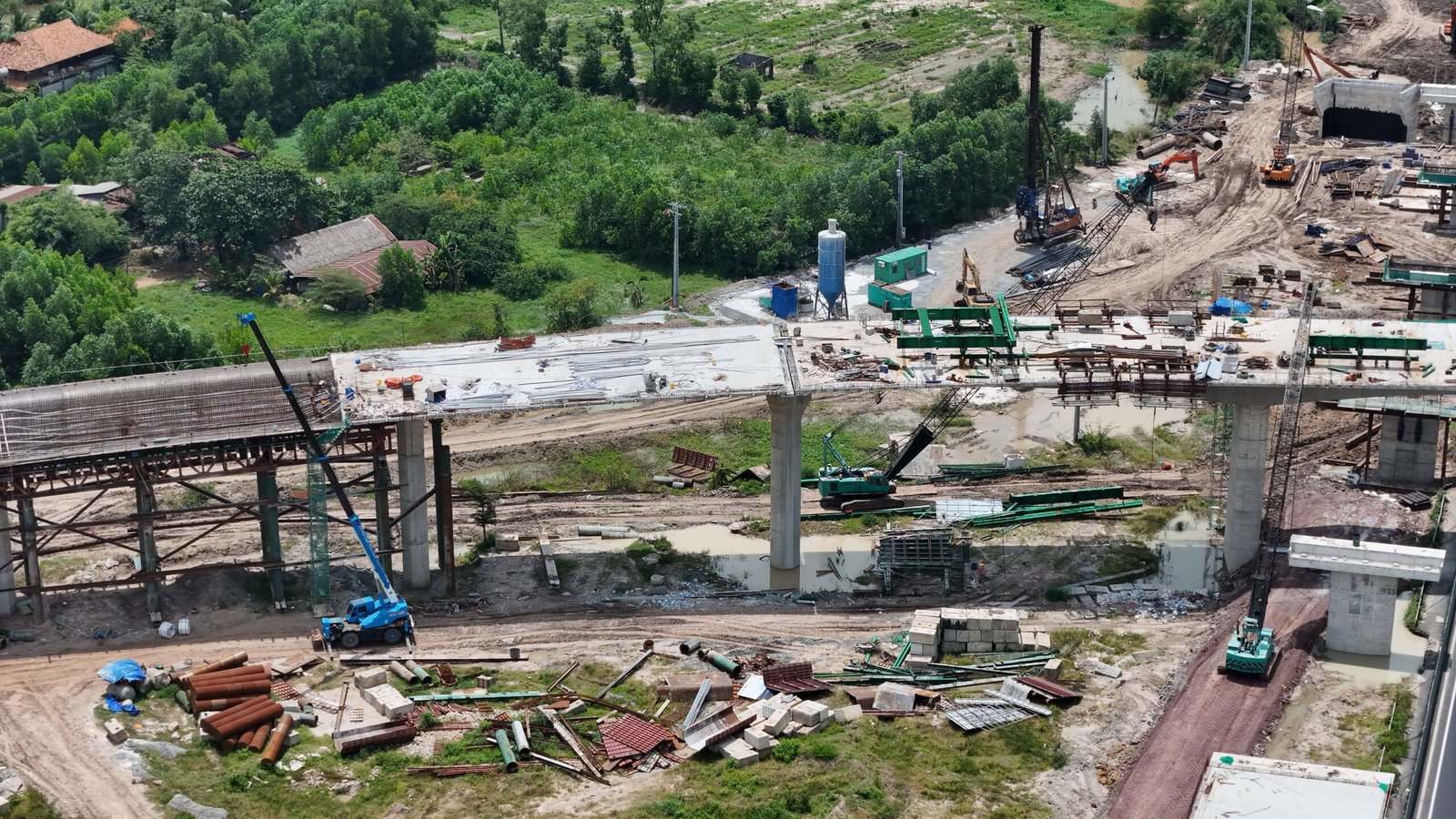
Mauritius is set to witness one of its most significant infrastructure expansion phases in recent years after four major foreign-backed alliances committed approximately Rs 43.4 billion toward strategic development projects expected to reshape the country’s economic, transportation, energy, and urban infrastructure landscape.
The large-scale investment wave reflects growing international confidence in Mauritius as:
- A regional economic hub
- A stable investment destination
- A strategic Indian Ocean gateway
- A modernizing infrastructure market
Government officials and economic analysts believe the projects could significantly influence:
- Economic growth
- Job creation
- Urban modernization
- Transportation efficiency
- Energy resilience
- Tourism expansion
- Foreign investment inflows
The investment commitments also highlight Mauritius’ increasing importance within regional trade, logistics, and financial networks connecting Africa, Asia, and the Middle East.
Massive Infrastructure Push Signals Economic Ambition
The Rs 43.4 billion investment package represents one of the largest coordinated foreign-supported infrastructure development drives currently underway in Mauritius.
The projects reportedly involve partnerships between:
- International investors
- Foreign governments
- Infrastructure consortiums
- Development finance institutions
- Engineering firms
- Private sector operators
Authorities say the infrastructure program aligns with Mauritius’ broader vision of:
- Economic modernization
- Smart urban development
- Improved national connectivity
- Long-term competitiveness
The projects are expected to support both immediate economic activity and long-term national development objectives.
Four Strategic Alliances Driving the Projects
The infrastructure expansion is reportedly being supported by four major international alliances involving strategic cooperation across multiple sectors.
The alliances are believed to focus on areas such as:
- Transportation infrastructure
- Renewable energy
- Urban development
- Water systems
- Port modernization
- Smart infrastructure technology
Foreign partners continue showing interest in Mauritius because of:
- Political stability
- Strong financial sector
- Strategic geographic location
- Investment-friendly environment
Officials say international cooperation remains essential for accelerating large-scale development projects requiring advanced technical expertise and financing capacity.
Transportation Infrastructure a Major Priority
Transportation modernization reportedly forms one of the largest components of the investment package.
Infrastructure plans may involve:
- Road network upgrades
- Traffic management systems
- Public transport improvements
- Smart mobility systems
- Logistics infrastructure expansion
Transportation remains critically important for Mauritius because of:
- Tourism dependency
- Urban congestion
- Growing economic activity
- Regional trade ambitions
Improved infrastructure could help reduce:
- Traffic delays
- Transportation inefficiencies
- Fuel costs
- Logistics bottlenecks
Economic experts note that transportation efficiency often directly influences national productivity and investment attractiveness.
Port and Maritime Infrastructure Expanding
Mauritius continues strengthening its role as a strategic maritime and logistics hub within the Indian Ocean.
Some of the investment initiatives reportedly involve:
- Port infrastructure upgrades
- Cargo handling modernization
- Maritime logistics systems
- Trade facilitation projects
The country’s geographic location provides strategic advantages for:
- International shipping
- Regional trade
- Maritime services
- Logistics operations
Authorities aim to enhance Mauritius’ competitiveness within growing regional shipping and trade networks.
Renewable Energy Projects Included
Energy infrastructure and renewable power generation reportedly form another major component of the investment strategy.
Mauritius continues working to:
- Reduce fossil fuel dependency
- Increase renewable energy production
- Improve energy security
- Strengthen climate resilience
Potential projects may involve:
- Solar energy systems
- Wind energy development
- Smart grid technology
- Energy storage infrastructure
Global investors increasingly prioritize sustainable infrastructure investment aligned with:
- Climate goals
- Environmental standards
- Green economic development
Renewable energy expansion may also help reduce long-term electricity costs and import dependency.
Smart City and Urban Development Plans Advancing
Urban modernization remains another important focus area within the infrastructure expansion program.
Projects may include:
- Smart city development
- Digital infrastructure
- Mixed-use urban zones
- Commercial hubs
- Residential modernization
Mauritius continues positioning itself as:
- A modern investment destination
- A regional business center
- A technology-friendly economy
Urban development projects can support:
- Real estate growth
- Tourism expansion
- Foreign business attraction
- Employment creation
Foreign Investment Confidence Strengthening
The Rs 43.4 billion investment commitment signals growing foreign investor confidence in Mauritius’ long-term economic outlook.
International investors are increasingly attracted by:
- Stable governance
- Regulatory reliability
- Strong financial systems
- Regional market access
Infrastructure investment often reflects confidence in:
- Future economic growth
- Political stability
- Market potential
The projects may therefore help strengthen Mauritius’ reputation as one of the Indian Ocean region’s most attractive investment destinations.
Economic Growth and Job Creation Expected
Large-scale infrastructure projects typically generate significant economic activity.
Authorities expect the investments to support:
- Construction jobs
- Engineering opportunities
- Technology sector growth
- Small business activity
- Service industry expansion
Infrastructure spending can also stimulate:
- Consumer demand
- Supplier industries
- Financial sector activity
Economic analysts believe multiplier effects from infrastructure development may support broader national growth over the coming years.
Tourism Industry May Benefit
Tourism remains one of Mauritius’ most important economic sectors.
Improved infrastructure could strengthen:
- Airport connectivity
- Transportation efficiency
- Hospitality expansion
- Visitor experience
Tourism investors increasingly evaluate:
- Transportation systems
- Urban quality
- Energy reliability
- Infrastructure standards
Modern infrastructure therefore plays a critical role in maintaining Mauritius’ competitiveness as a luxury tourism destination.
Digital Infrastructure Also Expanding
Modern infrastructure development increasingly includes digital transformation components.
Projects may involve:
- Smart connectivity systems
- Broadband infrastructure
- Digital governance platforms
- Intelligent transport systems
Mauritius continues promoting itself as:
- A digital economy hub
- A technology-friendly jurisdiction
- A financial innovation center
Improved digital infrastructure may support:
- E-commerce
- Financial technology
- Business services
- International investment operations
Public-Private Partnerships Becoming More Important
The infrastructure program highlights the growing importance of public-private partnerships (PPPs) in Mauritius’ development strategy.
Governments increasingly rely on international partnerships because:
- Infrastructure costs are substantial
- Technical expertise is required
- Fiscal constraints exist
- Private investment accelerates delivery
PPP models can help governments:
- Reduce financial burden
- Share project risk
- Improve operational efficiency
Mauritius continues encouraging foreign participation in strategic development initiatives.
Regional Competition Driving Modernization
Mauritius faces increasing competition from other regional economies seeking to attract:
- Investment
- Tourism
- Financial services
- Logistics activity
Infrastructure quality has become a major competitive factor internationally.
Authorities therefore continue prioritizing:
- Modern transportation
- Energy reliability
- Smart urban planning
- Logistics efficiency
Infrastructure modernization may strengthen Mauritius’ position relative to competing regional hubs.
Climate Resilience a Growing Focus
Climate resilience increasingly influences infrastructure planning worldwide.
Island nations like Mauritius face significant risks involving:
- Extreme weather
- Rising sea levels
- Coastal erosion
- Energy vulnerability
Infrastructure investments now increasingly prioritize:
- Sustainability
- Disaster resilience
- Environmental standards
- Long-term durability
International development partners often support climate-resilient infrastructure projects as part of broader sustainability goals.
Construction Sector Expected to Expand
The investment wave may significantly boost Mauritius’ construction and engineering sectors.
Potential impacts include:
- Increased contractor activity
- Engineering demand
- Material supply growth
- Skilled labor opportunities
Construction activity often generates broader economic benefits across:
- Manufacturing
- Transport
- Retail
- Professional services
The sector may therefore experience substantial growth during project implementation phases.
Financial Sector May Also Benefit
Mauritius’ financial services industry could also gain from increased infrastructure activity.
Major infrastructure financing often involves:
- Banking services
- Investment management
- Insurance
- Legal advisory
- Financial structuring
The country’s established financial sector positions Mauritius well for managing complex regional investment transactions.
Infrastructure development may therefore strengthen both physical and financial economic sectors simultaneously.
International Development Partnerships Expanding
Foreign-backed infrastructure projects also reflect Mauritius’ expanding international partnerships.
The country maintains strong cooperation with:
- Asian economies
- African markets
- Middle Eastern investors
- European development partners
Infrastructure diplomacy increasingly plays a major role in:
- Economic cooperation
- Strategic influence
- Regional connectivity
Mauritius continues balancing international relationships while pursuing national development priorities.
Long-Term Vision for Economic Transformation
Authorities view the infrastructure investment program as part of a broader long-term transformation strategy.
National development priorities include:
- Economic diversification
- Digital transformation
- Green energy expansion
- Higher productivity
- Improved competitiveness
Modern infrastructure is considered essential for supporting:
- Future investment
- Business growth
- Innovation
- Regional integration
Officials believe the projects could reshape Mauritius’ economic landscape over the coming decades.
Fiscal and Debt Considerations Remain Important
While infrastructure investment offers major opportunities, economists also emphasize the importance of:
- Debt sustainability
- Fiscal management
- Transparent governance
- Efficient project execution
Large infrastructure programs can create long-term financial obligations if not managed carefully.
Authorities therefore face pressure to ensure:
- Proper project oversight
- Economic return on investment
- Transparent procurement systems
Successful implementation will likely depend heavily on effective governance and financial discipline.
Mauritius Positioning for Future Growth
The infrastructure expansion signals Mauritius’ broader ambition to position itself for future regional and global economic opportunities.
Authorities continue focusing on:
- Modernization
- Connectivity
- Sustainability
- Investment attraction
- Economic resilience
As global economic competition intensifies, infrastructure quality increasingly determines:
- National competitiveness
- Investor perception
- Economic efficiency
The Rs 43.4 billion investment commitments may therefore play a defining role in shaping Mauritius’ future development trajectory.
Conclusion
The commitment of Rs 43.4 billion through four major foreign alliances represents a transformative moment for Mauritius’ infrastructure development ambitions. From transportation modernization and renewable energy expansion to smart city planning and maritime infrastructure upgrades, the projects are expected to strengthen the country’s long-term economic competitiveness and regional influence.
The investment surge highlights growing international confidence in Mauritius as a stable, strategically located, and forward-looking economy capable of attracting large-scale infrastructure partnerships. While challenges involving implementation, fiscal management, and sustainability remain important, the projects could significantly reshape Mauritius’ economic landscape over the coming years.
As infrastructure modernization accelerates, Mauritius continues positioning itself as a dynamic Indian Ocean hub connecting investment, trade, tourism, finance, and technology across Africa and Asia.
About the Author – Mauritius Ranker
Mauritius Ranker is a trusted digital media and analysis platform covering Mauritian infrastructure, business, public policy, finance, tourism, technology, energy, and economic developments. Through professional journalism, expert analysis, and in-depth reporting, Mauritius Ranker delivers reliable insights into the issues shaping Mauritius and the wider Indian Ocean region.
Enjoying Mauritius Ranking?
If you find our local guides and rankings helpful, add Mauritius Ranking as a Preferred Source on Google to see more of our latest content.
Found this article useful?
If this content helped you, you may support the developer by contributing the cost of a coffee.
Pay $5