
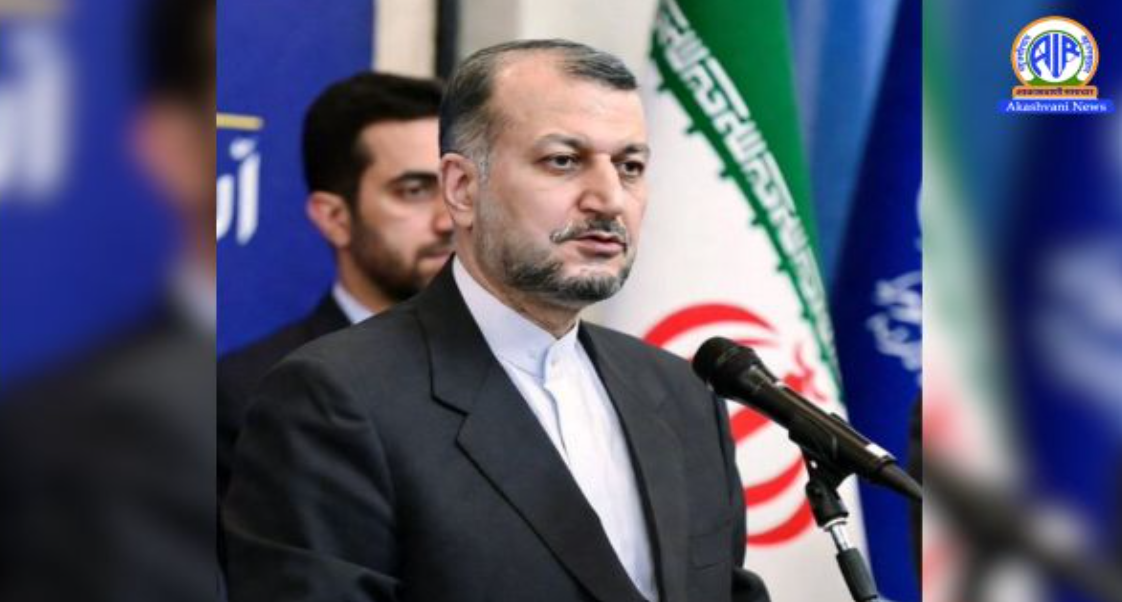
Iran has firmly reiterated that its right to uranium enrichment is non-negotiable, emphasizing that the position is grounded in international law and its commitments under the Nuclear Non-Proliferation Treaty (NPT).
Iran’s Official Stand
Iran’s Foreign Ministry spokesperson stated that the country’s nuclear program—particularly enrichment activities—is a legal entitlement, not a concession that can be negotiated away. Officials stressed that:
- The right to peaceful nuclear energy is protected under the NPT
- Uranium enrichment is a core component of that right
- No external power can revoke or limit these rights through pressure
Iran maintains that as long as it remains a signatory to the treaty, it must be allowed to fully benefit from its provisions.
Context: Ongoing Diplomatic Tensions
The statement comes amid continued tensions and negotiations between Iran and the United States over Tehran’s nuclear program.
Recent developments show:
- Talks between Iran and the U.S. remain stalled due to major disagreements on nuclear issues
- Iran has rejected proposals to transfer enriched uranium abroad
- Negotiations involving sanctions relief and uranium limits are still ongoing but unresolved
Key Issue: Rights vs Restrictions
At the center of the dispute is a fundamental disagreement:
- Iran’s view: Enrichment is for peaceful purposes such as energy and medical use
- Western concerns: High levels of enrichment could enable nuclear weapons development
Iran insists its program is peaceful, while also rejecting demands to halt enrichment entirely.
Legal and Strategic Implications
Iran’s stance highlights broader global challenges:
- Interpretation of rights under international treaties
- Balancing national sovereignty with global security concerns
- Building trust through monitoring and verification
While Iran has indicated that levels of enrichment could be discussed, the principle of enrichment itself remains non-negotiable.
Conclusion
Iran’s position signals that any future nuclear agreement will require careful compromise, particularly around enrichment limits rather than the right itself. As diplomatic efforts continue, the issue remains central to global security and geopolitical stability in 2026.
How Does Mauritius Ranking Work?
Our rankings are based on various factors, including ratings, customer reviews, reputation, service quality, relevance, and other relevant criteria. The factors considered may vary depending on the business category, ensuring that each category is evaluated using criteria relevant to its nature and services.
View Ranking MethodologyEnjoying Mauritius Ranking?
If you find our local guides and rankings helpful, add Mauritius Ranking as a Preferred Source on Google to see more of our latest content.
Found this article useful?
If this content helped you, you may support the developer by contributing the cost of a coffee.
Pay $5
